


A few days ago, Riot announced that it would be removing the all-chat feature in the matchmaking system starting with patch 11.21 of League of Legends. This is truly disappointing news as not only in League of Legends, but all-chat is a feature that almost any online game possesses. The reasoning behind this decision is that Riot wants to eliminate toxicity within the League of Legends community, given the numerous instances of player harassment that occur during matches, even professional players have been “victims” (or “perpetrators”).

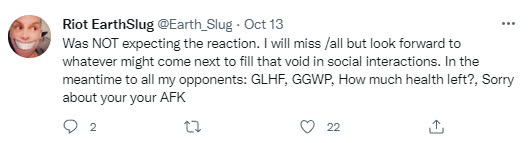
However, is actually removing the all-chat feature a necessary solution? Even Riot’s employee, Riot EarthSlug, expressed dissatisfaction and tweeted about this issue, stating that while toxicity exists, the benefits this feature brings are greater, and that this is not a correct choice. However, the tweet was later deleted and replaced with a “milder” tweet.
Despite good intentions, Riot’s approach could greatly impact the development of the League of Legends community after implementing the new mechanism. But for a “national” game like League of Legends, if it retains the all-chat feature, what can Riot do to limit toxicity?
Upgrade the reporting system, enforce strict controls, and apply severe penalties
The truth is that in eliminating player violations such as toxic behavior, AFK, game ruining, etc., Riot has not been truly effective. Many players have commented that Riot’s reporting system works slowly or sometimes even makes more serious errors, such as wrongly banning accounts or missing numerous violations. This can be understood, but Riot needs to take responsibility for the many times it has “condoned” the existence of these toxic behaviors.
One of the simplest ways is to increase penalties and enforce tighter controls. Riot’s slow response can be attributed to many reasons, such as a lack of staff, the pandemic situation, etc., but the toxicity of the League of Legends community is not a new occurrence. Many violation reports are submitted by professional players, but only a few of them are addressed, while the rest are completely overlooked. In fact, many players assert that those they reported still play regularly despite Riot’s announcements about handling violation reports.
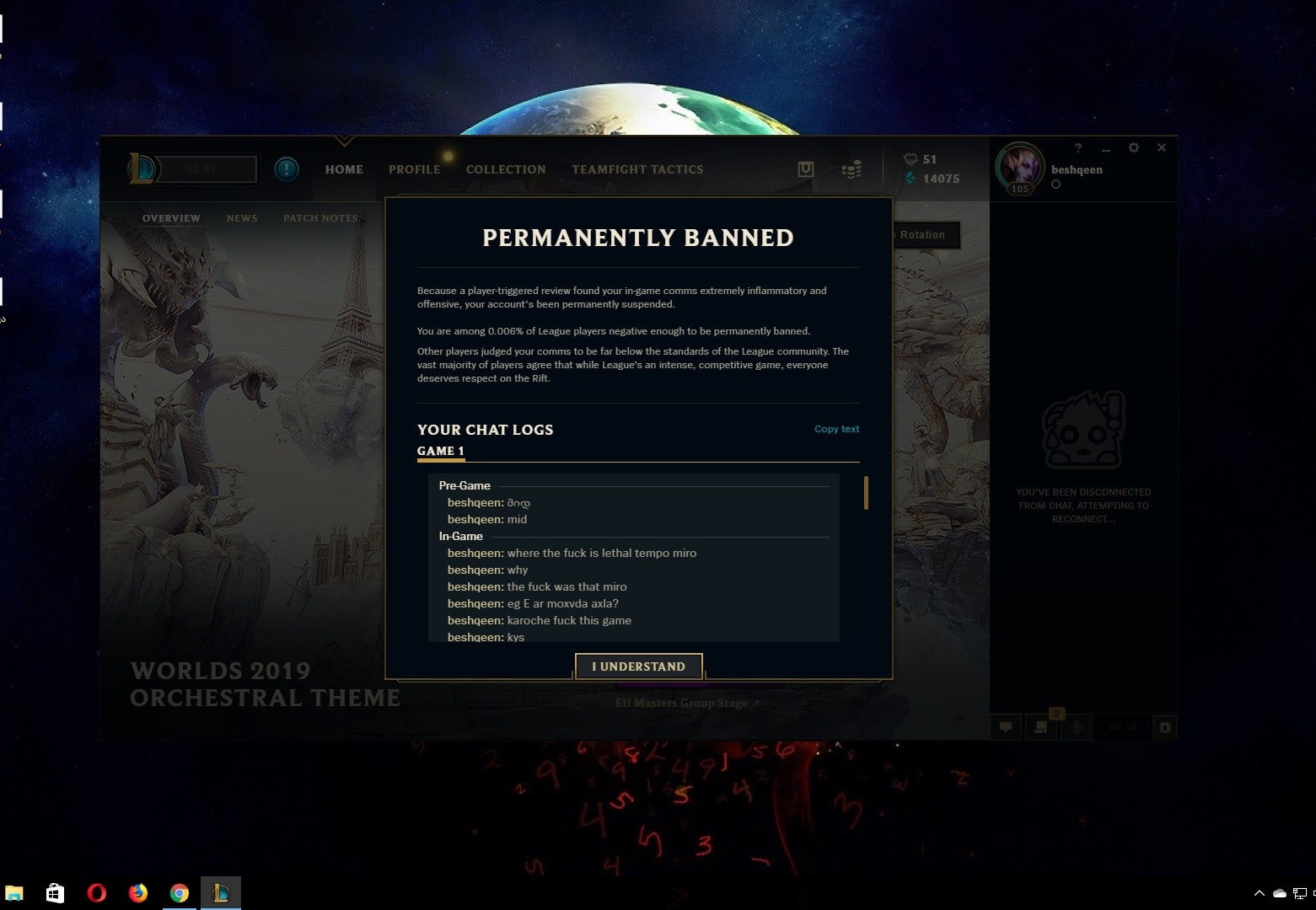
Increasing the severity of penalties and enforcing stricter controls, ensuring thorough handling is a simple yet effective method. Additionally, if tightly controlled, Riot can also counteract instances where players misuse the reporting mechanism to harm other innocent players.
Combine violation reporting with matchmaking and warnings
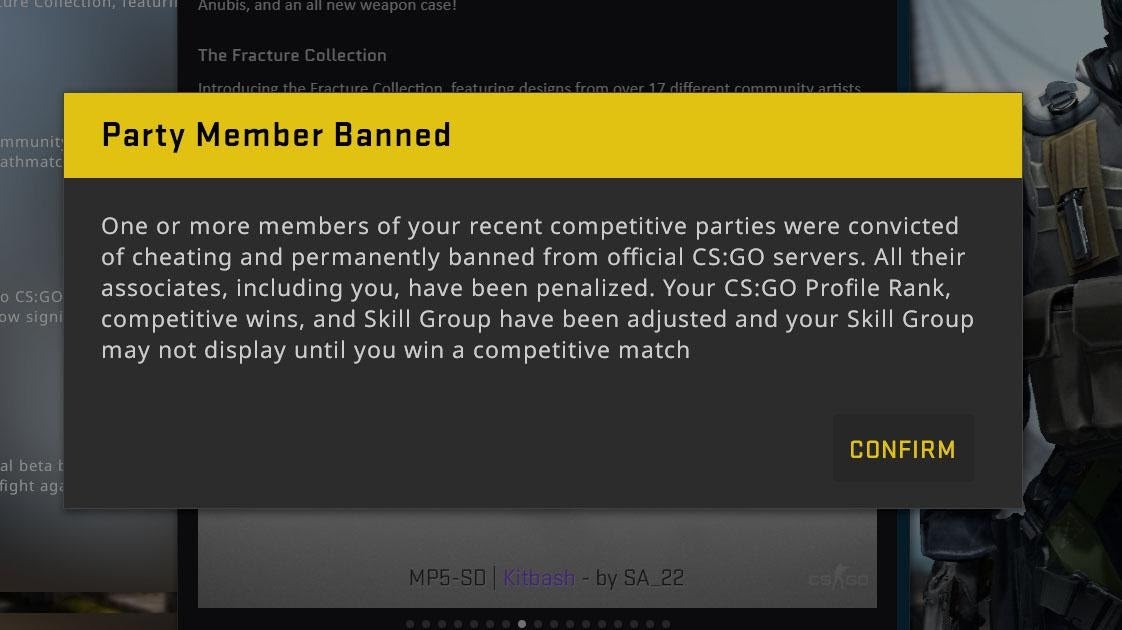
One of the notoriously toxic communities is CS:GO, which has many features to limit toxicity among players in terms of speech. One mechanism that Riot could consider is combining player reports with matchmaking and warning systems.
This method is also not too difficult to implement. If a reported player uses abusive/offensive language, that player will subsequently be matched with others who have also been reported for similar offenses. And when they transition to the champion selection phase, each player in the team with the reported player will receive a warning from the system. This can make other players more cautious, even willing to kick the reported player or remake the match. Being continuously “isolated” like this, players will definitely have to think about ending their own toxic behavior.
Create mechanisms to encourage players to report violations accurately
For any penalties to be effective, there needs to be comprehensive, truthful violation reports. However, the reality is that most players are very “lazy” when it comes to reporting violations for countless reasons, such as “it’s just a game”, “it’s just for fun”, “reporting won’t lead to any action”, etc.
Therefore, to effectively carry out its responsibilities, Riot needs to connect more closely with players – its customers. Creating a mechanism to encourage players to report accurately and sufficiently is essential. Once players feel that their efforts to improve the gaming community are recognized and effective, they will surely cooperate with Riot because, more than anyone, the players are the ones that Riot needs to protect, and they also want to have a fun and positive experience.
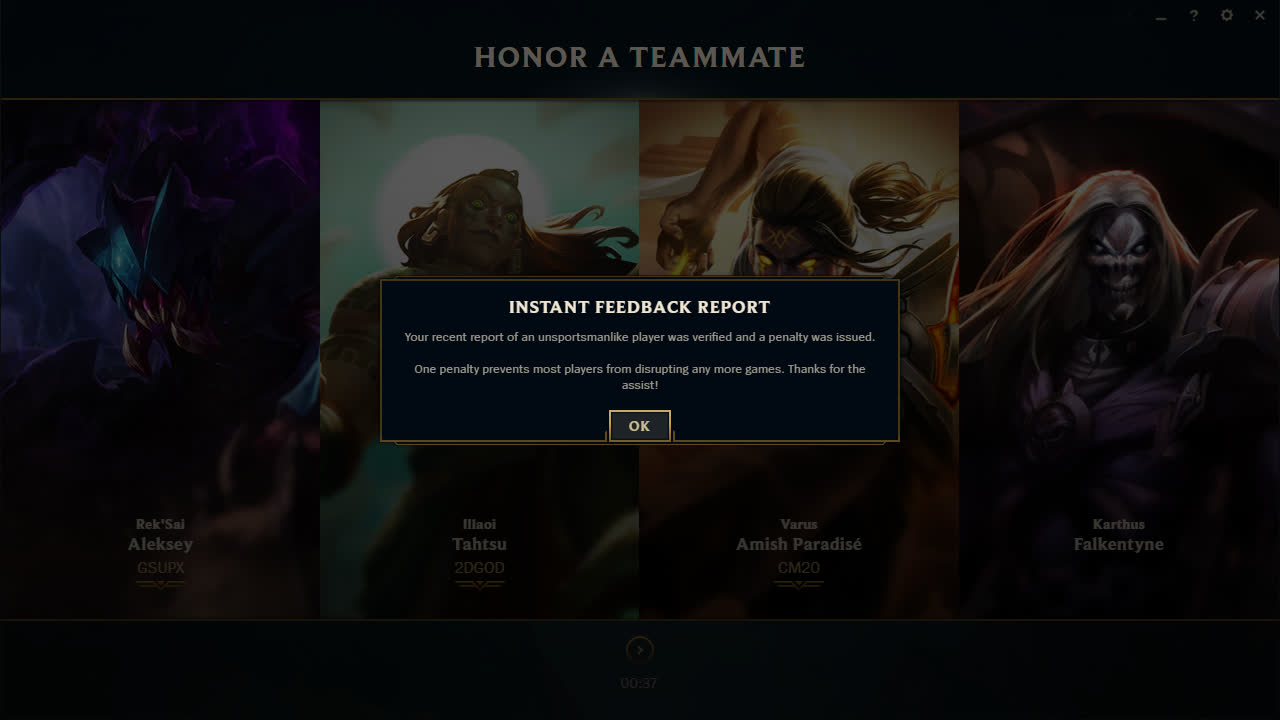
These incentive mechanisms could include event items, some valuable skins or rare skins, etc., and should be awarded to players who have positively contributed to helping Riot address violations at the end of the season. This way, a good collaboration can be created between players and game publishers in establishing a healthy gaming environment. Of course, the value of the rewards will also be an important factor in encouraging players to “make an effort” to write reports. And equally important, these reports must accurately target the right individuals.
Conclusion
Riot’s decision to remove all-chat may not come to pass if the community reacts strongly, but it also reflects one thing: Riot is truly at an impasse in limiting player toxicity in its “beloved” game.