


British IT engineer James Howells, living in Newport, Wales, accidentally threw away his hard drive containing 7,500 Bitcoins while cleaning his house in 2013. At that time, the price of Bitcoin was only about $130. However, as of now, the value of this cryptocurrency has surged to $38,000 as of January 15, meaning Howells has lost Bitcoins worth up to $286 million.

It is known that this British engineer started “mining” Bitcoin in 2009 using his personal laptop.
“By 2013, after stopping my Bitcoin mining, I sold this laptop on eBay. But I kept the hard drive containing the Bitcoins just in case the cryptocurrency increased in value one day.”
However, in mid-2013, during a cleaning session, Howells mistakenly threw that hard drive into the trash bin at a landfill near his home. He then forgot about the hard drive due to being busy with family life and moving houses.
It wasn’t until the first Bitcoin boom at the end of 2017 that Howells immediately planned to dig through the city’s landfill to recover his lost hard drive. However, this plan is considered extremely difficult and costly.
“A modern landfill is a complex engineering project, and excavation can cause many environmental issues such as toxic gas emissions and fire risks. Therefore, this is a risky and expensive plan,” Howells said.
This plan itself also faces difficulties in gaining approval from the Newport City Council. A spokesperson for the council stated that excavation, storage, and waste processing could have significant “impacts on the surrounding environment.”
Nevertheless, James Howells has not given up. Recently, this engineer proposed to donate 25% of the value of the Bitcoins (in the hard drive) for Newport’s Covid-19 response efforts. In return, James Howells would be allowed to search for the hard drive in the city’s landfill. This engineer believes that after many years buried under the city’s massive landfill, the hard drive should still be functioning well.
“The exterior of the hard drive may be rusted. But the disk inside, where the data is stored – most likely it will still work.”
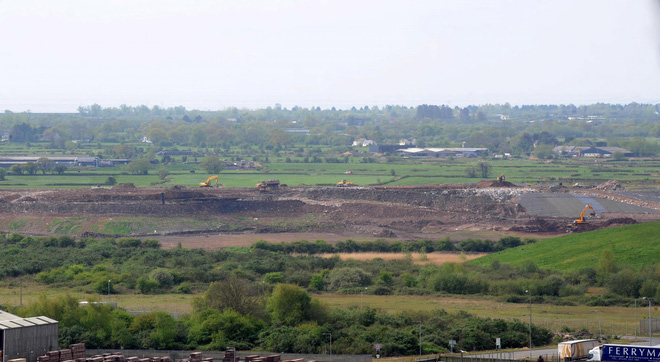
Regarding the costs of the search, Howells stated that he has received financial backing from a hedge fund, along with a detailed plan to ‘find the treasure’.
“The way the landfill operated in 2013 was that when a bin was full, it would be numbered and pulled out to the open area and then buried. It was also given a reference code that indicates its burial location.”
“Therefore, if I can access the landfill records, I can identify when I threw the hard drive away, I can determine the serial number of the bin containing it, and then I can locate the grid reference.”
However, Newport City Council officials have yet to approve Howells’ proposal.
“The Newport City Council has been contacted by Mr. Howells several times since 2014 regarding the possibility of retrieving a computer component believed to contain Bitcoin. The costs of excavating the landfill, storing, and processing the waste could run into millions of pounds – without any guarantees of finding it or that it still works.”.
Reference: The Guardian