


At present, science fiction (sci-fi) has become an extremely popular film genre that many studios have focused on for years. However, even as the quantity and even the quality of sci-fi films continue to rise, The Matrix remains one of the most classic and representative works whenever this genre is mentioned.
Released in 1999, The Matrix is primarily inspired by the philosophical thesis of Jean Baudrillard published in 1981 titled “Simulacra & Simulation.” This thesis focuses on explaining the concept of objective reality being replaced by subjective signs and symbols, thereby creating a “desert of the real.”
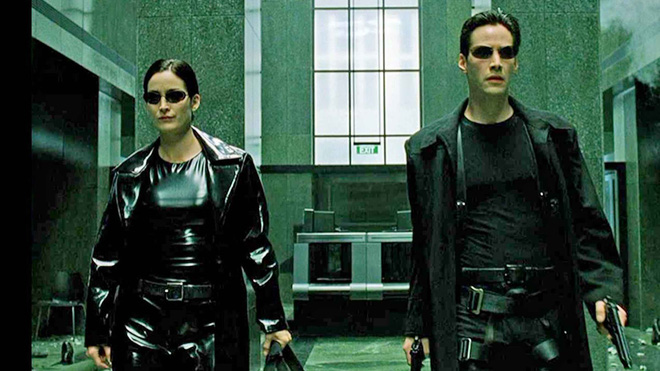
In the first film, the agents of Zion, specifically Morpheus’s group, continually sought to infiltrate the matrix to free as many people as possible. Neo was one of them. After being brought aboard the Nebuchadnezzar, he was thoroughly explained the correlation between reality and the simulated world, as well as being guided on how to return to the matrix and “learn” many new skills in the blink of an eye. At this time, his real body would remain in the real world with his brain connected to a computer to enter the matrix.
However, this is not a video game that we can simply enter and exit, playing until we are “out of lives” and then restarting. Injuries sustained while fighting in the matrix will affect the body in the real world. This means that whether in the simulated world or in reality, death is no different: dying in the matrix will lead to death in reality.
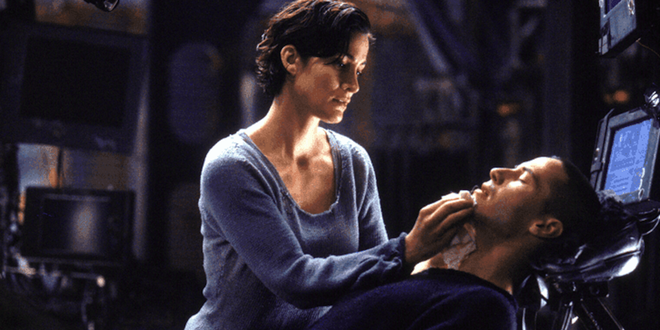
Don’t think that just because your body is safe in reality, you can do whatever you want in the matrix, because injuries, even death in this simulated world, will directly impact your real body.
Why is this so? The main reason is due to innate psychological responses – an inevitable result of psychological stimulation. Their brains have been nurtured and developed in the matrix for a long time and cannot immediately distinguish between what is real and what is fake upon awakening. Therefore, when a person is injured or killed in the matrix, their body in reality is also directly affected due to the instinctive and involuntary reactions of the human brain.
As mentioned above, when entering the matrix, we must deeply connect wires to our nervous system, making the brain more sensitive. Morpheus once explained that “reality is merely electrical signals that the brain perceives (through seeing, smelling, hearing, or touching) and conveys back to the body, making us feel that what is affecting our senses is real.”
This strange connection has been reiterated many times throughout the three films of The Matrix and in The Matrix Comics. Those connected to the matrix can alter their body temperature and blood pressure, and tumors can even appear in many specific situations. Furthermore, the psychology formed in the matrix is something very difficult to overcome, even for those who have awakened.
Finally, it should also be noted that the artificial world in The Matrix is a meticulously designed and incredibly complex realm. It is a world that reflects reality in very unpleasant ways to imprison and manipulate the human mind.
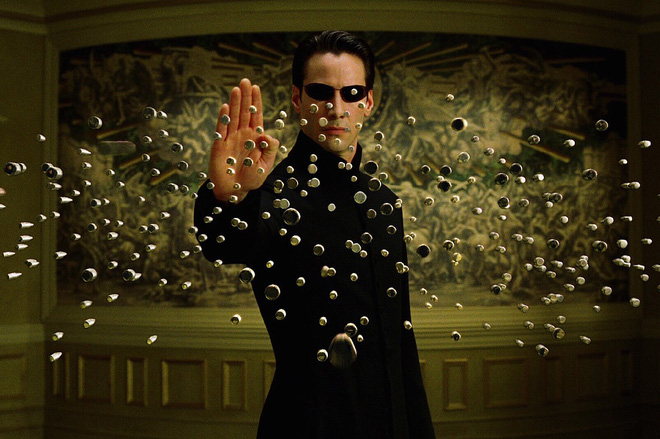
It is precisely because Neo can erase deep-seated memories and transcend his own instinctive psychological responses that he possesses the ability to slow down bullets and return from the dead. His brain no longer “plays” by the rules of the matrix, and this requires an extraordinary mental effort, along with the special power of The One to resist this computer program.
Nearly two decades after the third film, The Matrix: Revolutions, aired, Warner Bros. unexpectedly announced it would continue producing a fourth installment, set to premiere in 2021. Both Keanu Reeves and Carrie-Anne Moss will return to their familiar roles, Neo and Trinity, in this highly anticipated comeback. It is known that the filming of The Matrix 4 was just completed last November after several delays due to the impact of the Covid-19 pandemic.
According to ScreenRant