


The design, especially the height of Godzilla, has undergone numerous changes over the past 65 years through various film projects. With its latest appearance on the big screen, the atomic monster stands at approximately 120 meters, slightly taller than its opponent, along with a massive body that allows it to easily topple and destroy skyscrapers. This is also the “most robust” version of Godzilla to date, and it’s no surprise that it will continue to evolve in future projects.
Godzilla (1954) – Terror of MechaGodzilla (1975): About 50 Meters
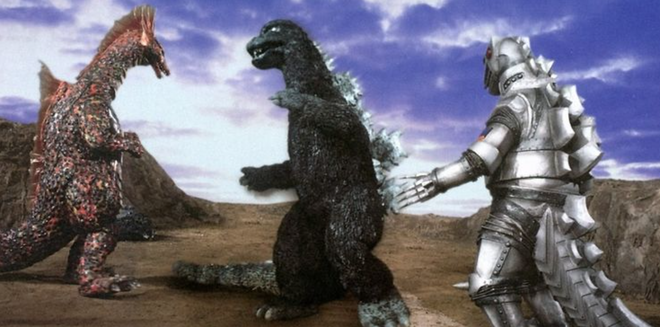
When Toho’s Gojira first hit the big screen in 1954, it had a rather modest height of 164 feet (about 50 meters), but that was enough to make large buildings seem tiny in an instant. To achieve this with the limited technology and special effects of that time, Toho created small-scale models of buildings, vehicles, and tanks. Godzilla was portrayed by an actor in a monster suit. This was how they filmed the first Godzilla movie as realistically as possible, in contrast to the stop-motion method that MGM used to create Kong.
Godzilla maintained this height until 1975 and faced off against a series of other kaiju monsters like Ghidorah, Mothra, MechaGodzilla, Megalon, and Titanosaurus. Although this was one of the “smaller” versions of Godzilla, this atomic monster still had a size comparable to the second largest version of Kong in cinema. Typically, Kong was about 50 feet (over 15 meters) tall before being “stretched” to match Godzilla in King Kong vs. Godzilla (1962).
Return of Godzilla (1984) & Godzilla vs. Biollante (1989): Nearly 80 Meters
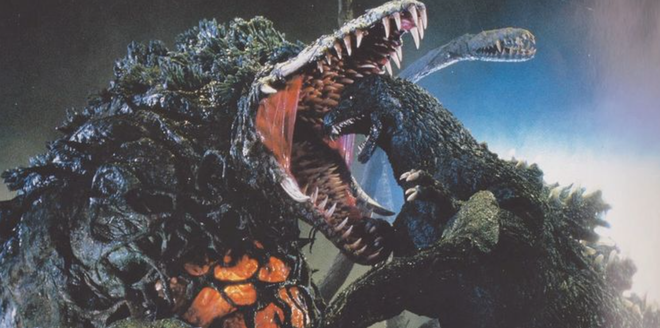
In 1984, Toho decided to reboot their classic kaiju monster in Return of Godzilla (part of the Heisei era) with a new design that featured a superior height of 262 feet (nearly 80 meters), along with a much more ferocious appearance compared to earlier versions that were created with a child-friendly approach. This size was maintained in the subsequent film, Godzilla vs. Biollante, released five years later.
Godzilla vs. King Ghidorah (1991) – Godzilla vs. Destoroyah (1995): Nearly 100 Meters
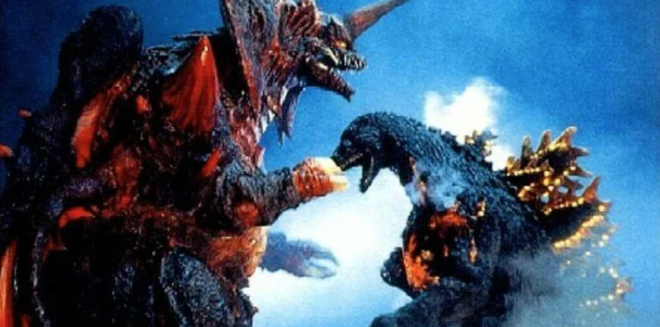
Just after two films, Toho decided to increase Godzilla’s size again, from 262 feet to 328 feet (nearly 100 meters). This height was maintained until the end of the Heisei series. With a larger and more massive body than ever, the challenges for Godzilla increased significantly, leading to some of the most intense battles in the history of this film series, including its fights against Destoroyah, MechaGodzilla, and SpaceGodzilla – an opponent that forced Godzilla to team up with Moguera.
Godzilla (1998): Nearly 70 Meters
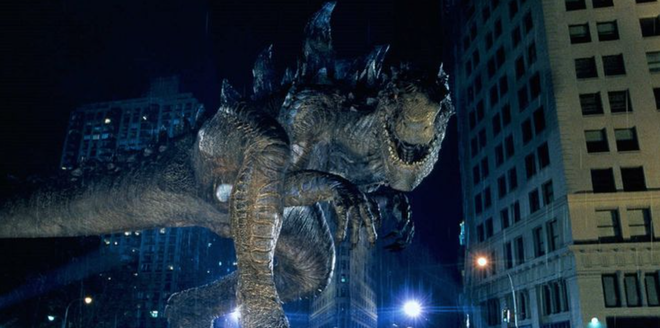
The first American-produced Godzilla film presented a kaiju version that was not particularly impressive and did not receive much audience acclaim. Most of the criticisms it faced were due to the drastic changes in Godzilla’s design compared to the original. Fans argued that Sony Pictures had stripped away the monster’s inherent ferocity, even “nerfing” its strength and rendering it weaker than many other versions. However, when it came to height, this version was indeed impressive, standing at approximately 229 feet (nearly 70 meters), taller than Godzilla from the Showa or Millennium series.
Godzilla 2000 (1999) – Godzilla: Tokyo S.O.S (2003): Nearly 55 Meters
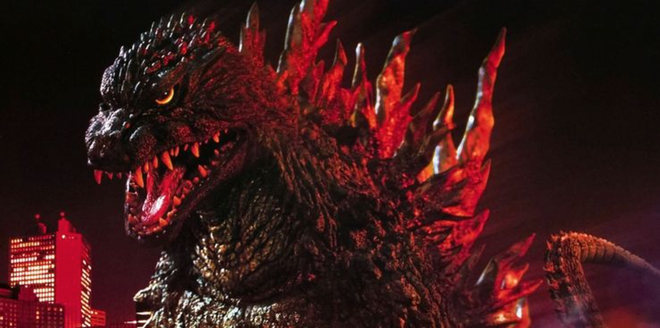
Following the harsh criticisms faced by Godzilla 1998, Toho produced a series of new film projects related to the atomic monster, starting with Godzilla 2000. While they successfully brought Godzilla back to its classic original image with powerful and fierce destruction, its height unexpectedly dropped significantly to just 180 feet (nearly 55 meters). This size was maintained in subsequent films such as Godzilla vs. Megaguirus, Godzilla Against Mechagodzilla, and Godzilla: Tokyo S.O.S.
Godzilla, Mothra, and King Ghidorah: Giant Monsters All-Out Attack (2001): Nearly 60 Meters
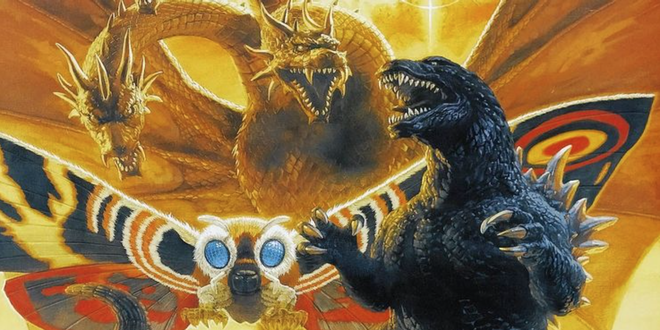
In the Millennium series, Toho showed inconsistency in designing Godzilla’s size. One of the most notable examples is Godzilla, Mothra, and King Ghidorah: Giant Monsters All-Out Attack, a film with a storyline separate from other projects. In this version, Godzilla stands at 196 feet (nearly 60 meters), with a body animated to resemble Godzilla from 1954, now controlled by the souls of those who perished in World War II.
Godzilla: Final Wars (2004): Nearly 100 Meters
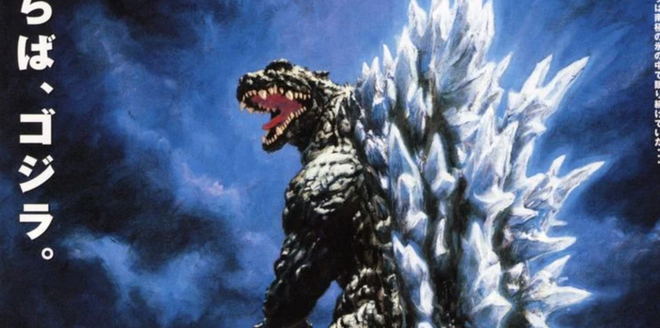
After facing Mothra and MechaGodzilla in Godzilla: Tokyo S.O.S, the king of monsters returned in Godzilla: Final Wars with an impressive height of 328 feet (nearly 100 meters). The difference between this version and the 1998 version is vividly illustrated in the scene where the two Godzillas face off against each other, symbolizing the battle between Japanese and American cinema in the kaiju world. In this scene, the nearly 100-meter (Japanese) Godzilla easily overpowers its opponent (which stands only about 70 meters tall).
Godzilla (2014): Nearly 108 Meters
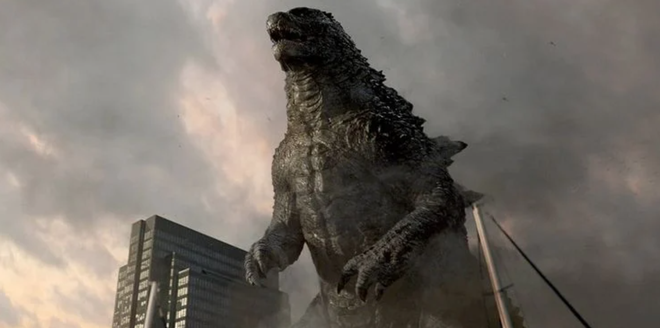
Hollywood decided to seize a second chance to exploit Godzilla and launch the MonsterVerse, following the cinematic universe model that had become the new “meta standard” in the film industry. This time, Godzilla made a remarkable return with a height of 354 feet (107.9 meters), which was enough to make it taller than Kong after his successful growth spurt. In Godzilla vs. Kong, the giant ape only stands at 335 feet (102 meters).
Shin Godzilla (2016): Over 118 Meters
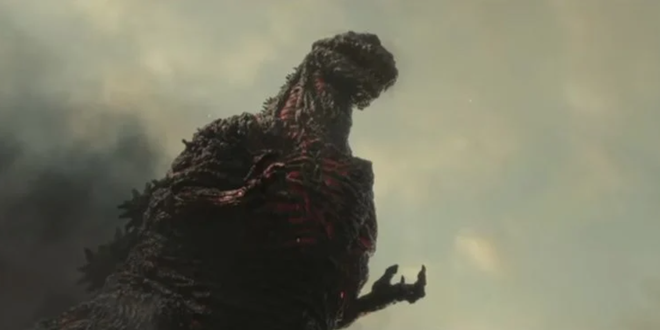
Not wanting Legendary Entertainment and Warner Bros. to take all the glory, Toho decided to release another version of Godzilla in Shin Godzilla, which stands at 388 feet (118.2 meters). This was also the largest Godzilla on the big screen at that time, with its power and ruthless nature depicted much more vividly than in previous versions.
Godzilla: King of the Monsters (2019) & Godzilla vs. Kong (2021): Over 120 Meters
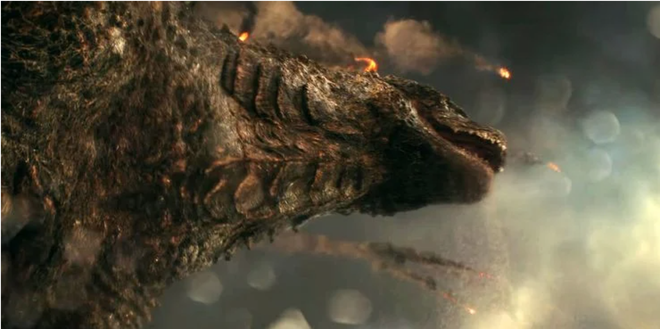
In 2019, Legendary decided to make their Godzilla the largest monster version by unexpectedly increasing its size from 354 feet to 394 feet (over 120 meters). This height was maintained in the recently released blockbuster, Godzilla vs. Kong.
According to ScreenRant