


As the most famous space research organization in the world, the National Aeronautics and Space Administration (NASA) has also created many practical inventions that are widely used in daily life.
Laptops

Laptops, an essential tool in modern times, originated from the first portable computers designed for use in spacecraft.
Water Filtration Devices

Ensuring clean water is essential for space missions, NASA has conducted research on water filtration systems. Today, water filtration devices play an active role in various locations to ensure people can use safe drinking water on Earth.
Mobile Phone Cameras

The technology for creating lightweight, energy-efficient cameras was initially developed so astronauts could take photos in space. It has contributed to the development of small camera systems that can be attached to mobile phones.
Prosthetic Limbs

NASA’s funding of research for artificial muscle systems and robotics has led to the development of next-generation prosthetic limbs, featuring multiple functions and greater comfort.
Infant Formula

Baby formula, a nutritional product made from algae, also originated from NASA’s research.
Scratch-Resistant Glasses

The scratch-resistant lenses used in modern eyewear are based on NASA technology, and their original form was used in space helmets.
Freeze-Dried Food
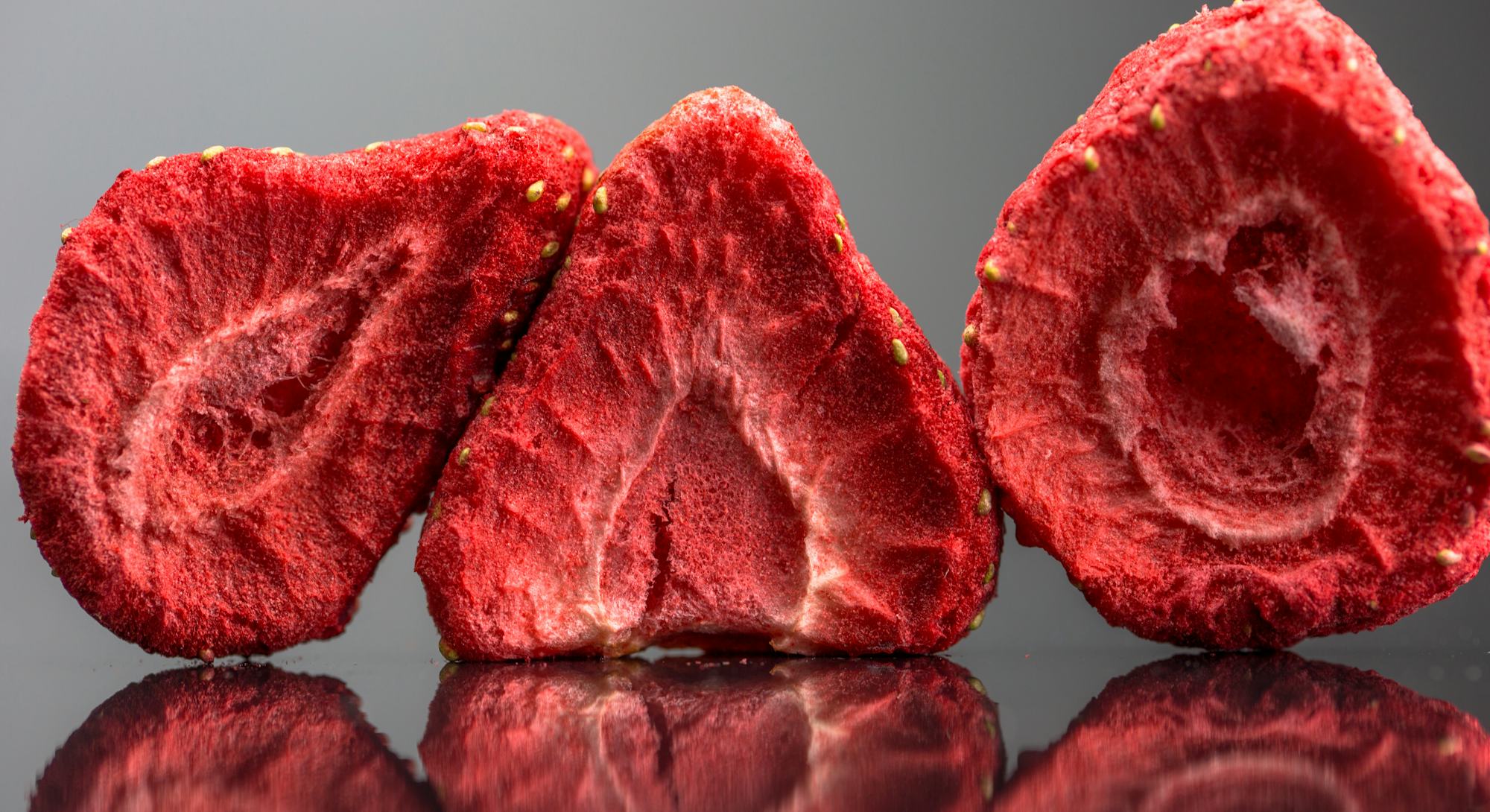
Freeze-dried food was created during research to develop easily preserved food for astronauts. Freeze-dried food is also fantastic in that it can maintain 98% of its nutritional value.
Memory Foam Mattress

Memory Foam is known as a compound made from a layer of polyurethane memory foam with additives. This compound has extremely high resilience and durability, even more than metal. This material was invented by NASA in 1966 and is also known as IQ Foam (active foam), a type of elastic foam with excellent elasticity. Its original purpose was to protect passengers in airplane crashes.
Wireless Headphones

Don’t be surprised, the origin of wireless headphones comes from headphones designed by NASA specifically for pilots.
Aerodynamic Truck Cab

NASA’s aerodynamic research aimed at reducing drag has contributed to the creation of truck cabs designed in an aerodynamic form, significantly improving cargo transport efficiency.
Solar Panels
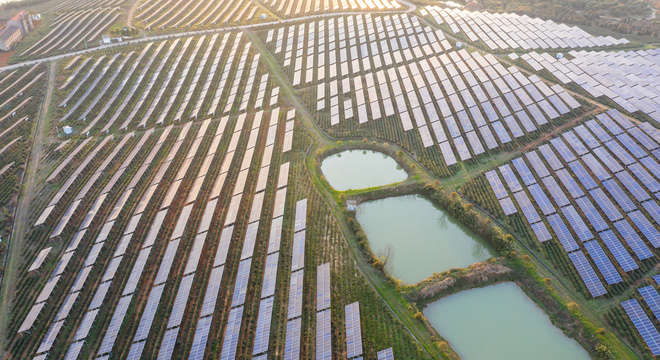
NASA may not have invented solar panels, but it has developed them into a much more efficient and durable version.
Firefighting Equipment

The breathing and communication devices that firefighters use today are based on NASA’s research and development of lightweight, heat-resistant materials and durable radio forms.
Emergency Blankets
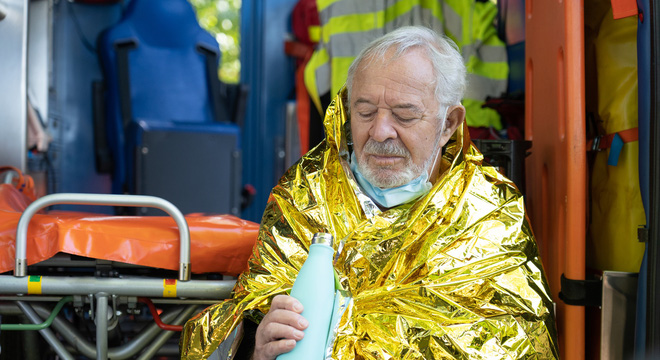
The so-called space blanket, or emergency blanket, was first developed by NASA in 1964. It is essentially a large sheet of foil, silver on one side and gold on the other. It is often included in emergency kits and is also used by long-distance runners after races, serving as a shield against cold temperatures, strong winds, and helping retain body heat. They are also combined with outdoor clothing and sleeping bags.
Red LED Lights in Medicine
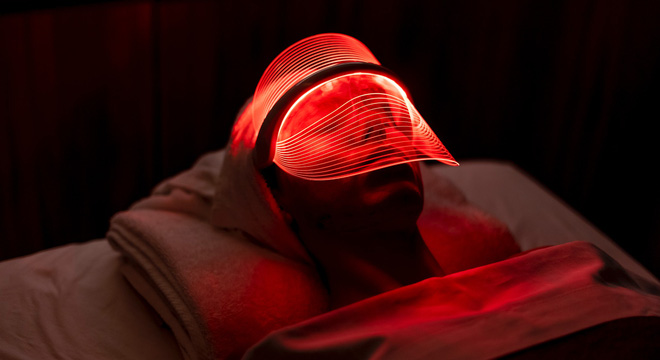
Red LED lights were initially developed as a light source for growing plants in space. However, they are now widely used in medicine to reduce pain and improve blood circulation.
Underwater Exploration Submarines
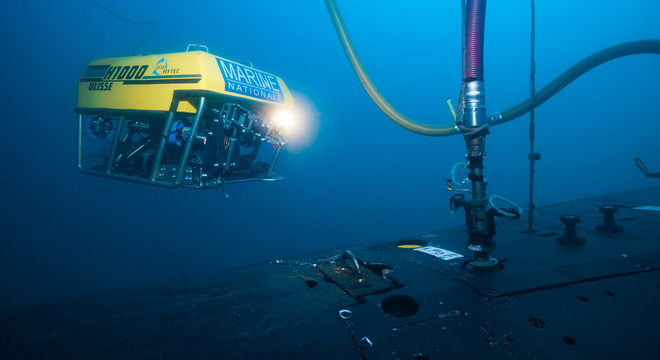
Underwater exploration submarines have been developed in collaboration with research institutes by NASA, making deep-sea research simpler and easier.
Source: inverse