


According to Sci-News, researchers have recently identified the archaeological site of Fordwich in Northeast Kent, England, as containing remnants of some of the first humans to inhabit Southeast England. But they are not of the same species as us!
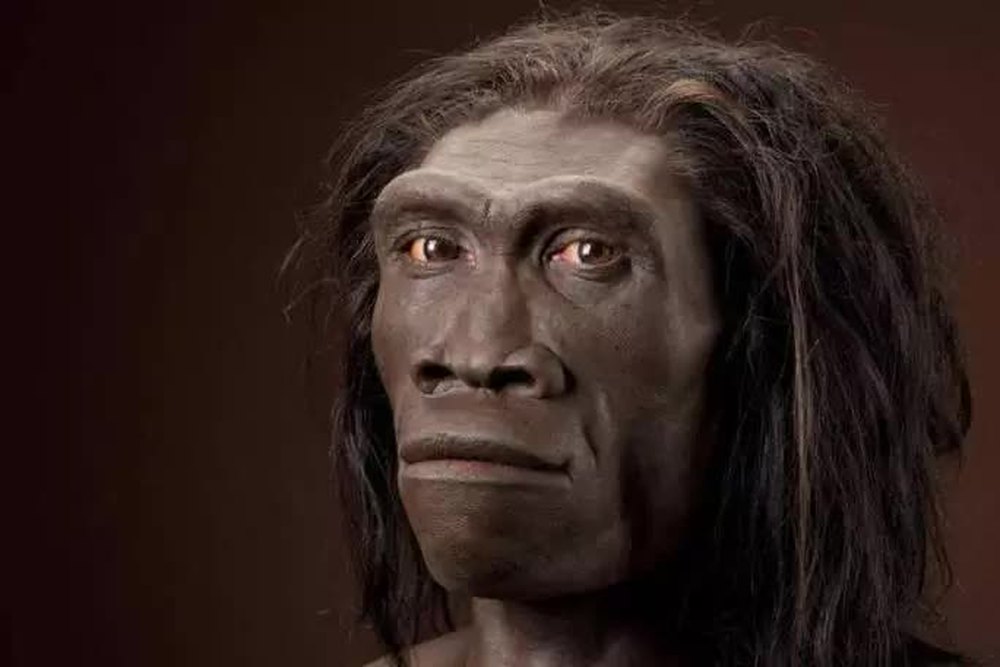
The research team led by the Archaeology Department of the University of Cambridge believes that the mysterious humans who lived here between approximately 620,000 and 560,000 years ago were either Homo erectus or Homo heidelbergensis, species belonging to the oldest group of the genus Homo, with an upright stature and bodies very much like ours but faces that still bear many features of ancient apes.
Both species are part of the genus Homo, alongside Homo sapiens, but appeared much earlier.
Since the 1920s, the stone quarrying process in the area has revealed about 330 stone fragments, identified as ancient tools. The latest survey has uncovered even more valuable items: rare evidence of scraping and boring tools from this very early period.
The age of the stone tools has been determined using infrared radiation dating (IR-RF), indicating they may have been made during the mentioned time frame.
“The discovery of these artifacts may suggest that ancient people were crafting raw animal hides, possibly to make clothing or shelter,” explained Dr. Tomos Proffitt from the Max Planck Institute for Evolutionary Anthropology, a member of the research team.
Previously, a collection of footprints dating back 840,000 to 950,000 years was found elsewhere in England – Happisburgh and Norfolk.
With the Fordwich site, scientists are still searching and hoping to find the remains of the owners of the aforementioned stone tools.
The research was recently published in Royal Society Open Science.