



Clearly, Steve Jobs had a strong dislike for Android. When this operating system emerged, the founder of Apple declared he would spend every last cent and breath to “destroy” the green robot. When he passed away in 2011, Android’s market share had already surpassed that of the iPhone. To this day, the number of Android smartphones sold globally is often four to five times that of iPhones.
However, before Android appeared, Steve Jobs had a particularly close relationship with Google’s leaders. According to an investor’s account, when looking for a CEO in Google’s early years, co-founders Larry Page and Sergey Brin referred to Steve Jobs as an “admired hero” and even expressed interest in inviting Jobs to become their CEO.
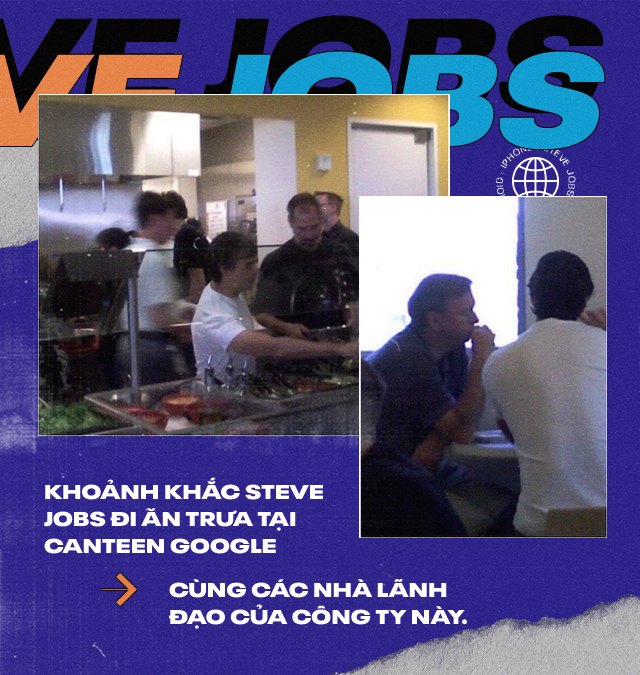
A former Google employee even captured the moment when Steve had lunch with Larry Page and Eric Schmidt (CEO and chairman of Google for many years). In fact, Eric Schmidt was invited to join Apple’s Board of Directors. YouTube and Google Maps played significant roles in the early generations of iPhones, and the Google CEO was present on stage during the iPhone’s launch.
The emergence of Android, of course, ended this relationship. But that doesn’t mean Apple and Google have become sworn enemies as Steve Jobs claimed. Every year, Google pays Apple about $1 billion to maintain its position as the default search engine on Safari. Despite ignoring BB10 and Windows Phone, Google continues to bring all of its apps and services to iOS. Recently, the two companies even collaborated to create a solution to help users track contact with Covid-19 infected individuals.
Ultimately, Google remains an advertising company, and there’s no reason this giant can’t be close with a hardware giant like Apple. The current CEO of Apple, Tim Cook, has also been spotted dining with Google CEO Sundar Pichai. Clearly, Google and Apple are still friends, just “more discreet” than during the era of Steve Jobs and Eric Schmidt.

It’s hard to fully articulate the special relationship between Steve Jobs and Bill Gates. Microsoft’s first successful product was an expansion module for the Apple II. When preparing to establish the GUI revolution with Macintosh, Steve Jobs wanted to hire Microsoft to develop software that would help this operating system succeed. The Microsoft founder appeared at Apple’s Macintosh event, praising Steve Jobs’ upcoming “favorite child.” Soon after, Windows was born, Macintosh gradually failed, Steve Jobs was “kicked out” of Apple, and they began to see each other as enemies.
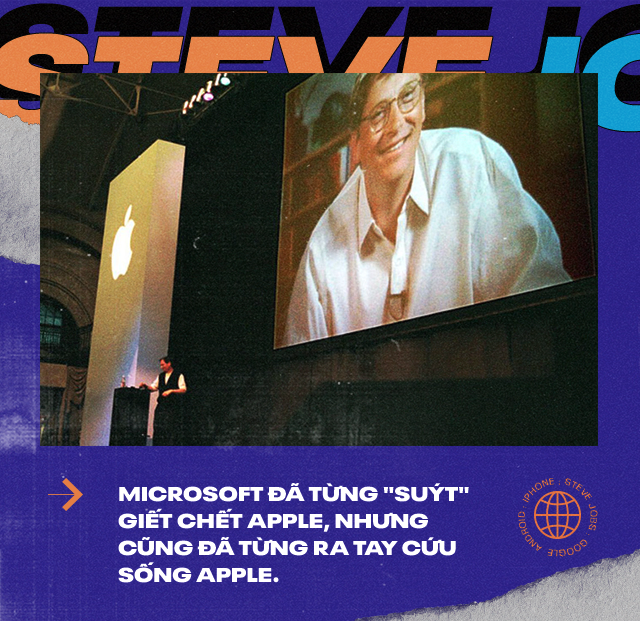
By 1997, a $150 million investment from Microsoft helped save Apple. The relationship between Steve Jobs and Bill Gates gradually mellowed – at one point, the Apple founder even quoted a Beatles song to describe their friendship.
After Jobs passed away, and after Microsoft completely failed in the mobile war, the friendship between Microsoft and Apple entered an unprecedented flourishing phase. Microsoft CEO Satya Nadella chose Office on iPad as the first product to launch to the public. Microsoft representatives have appeared at Apple events multiple times to promote Microsoft software running on Apple devices. Last year, Microsoft’s game Minecraft Earth was chosen to showcase AR features on iPad.
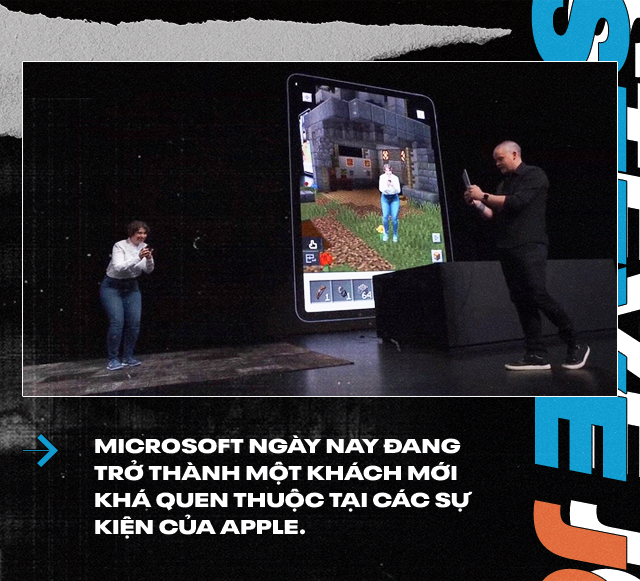
Because now Microsoft has clearly defined its role: a “platform” giant specializing in creating software and cloud tools. This role enables Microsoft to easily become a special friend of Apple, which is currently the number one giant in the hardware field.
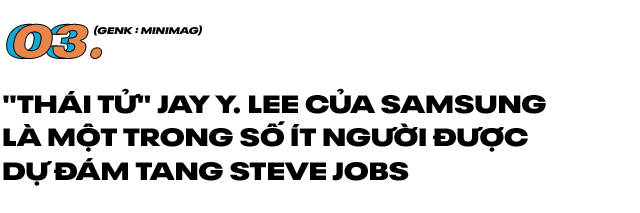
Like Microsoft and Google, Samsung has “turned against” Apple in the same way: initially as a partner that helped Apple develop a crucial product, and then launching a directly competing product. On the first iPhone, Samsung provided two essential components: the chip and the camera.
In 2010, Samsung unveiled its first Android smartphones. Just a year later – the same year Steve Jobs died, Samsung’s smartphone production surpassed Apple. A year later, the South Korean company also overtook Nokia, becoming the dominant player in the global mobile market from that point onward. The patent infringement lawsuit between Apple and Samsung then exploded, becoming the focal point of the tech world in the early 2010s.
Yet even when the relationship between the two companies was at its worst, Samsung’s “crown prince” and supreme executive Jay Y. Lee was invited to Steve Jobs’ funeral, alongside Bill Gates and many other tech leaders. Sources indicate that Lee and Jobs had a fairly close relationship when the Apple founder and Samsung leader disassembled iPhone prototypes during their early collaboration.
This supply-demand relationship continues to this day. Samsung has repeatedly been chosen as a manufacturing partner for Apple’s iPhone and iPad chips. Samsung RAM has frequently appeared in Apple-branded devices, and Samsung is currently regarded as the only supplier that meets Apple’s OLED quality requirements.
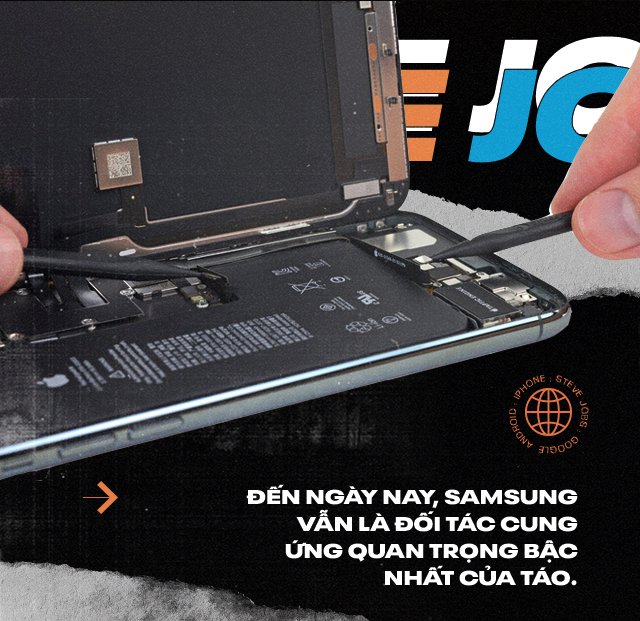
Once again, the key for “enemies” to become “friends” with Apple boils down to one factor: alongside competitive segments, Samsung still has a crucial business area that can benefit both parties (components). The money Samsung earns from supplying screens to Apple can sometimes exceed the revenue from its flagship Galaxy smartphones.