


Game consoles are one of the most beautiful memories of our childhood and youth as gamers. However, everything has its “dark side,” and here are 8 typical examples of that. Let’s see if you agree!
8. Nintendo 64 – The Misaligned Analog Stick
The Nintendo 64 controller was always something quite bizarre.
Its three-pronged design is great for those with three hands, but for the average person, it can be a bit confusing. However, that’s just the surface. What brings it onto this list is the analog stick.
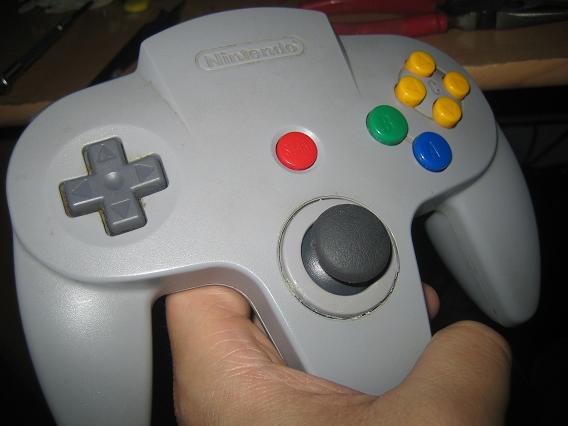
It’s something people use constantly but wasn’t designed for that purpose. Over time, it becomes loose and leans in any direction. At this point, gamers have to tilt the stick to compensate for its stupidity. Otherwise, it will automatically control your character for you.
7. Nintendo 3DS – The Screen That Breaks Even When Stationary
Here’s Nintendo again, but this time it’s about the screen.
The best thing about the design of this handheld console is its intention to make the screen more durable. The clamshell design folds the two screens together, allowing you to toss this device into your bag without worrying about the screen breaking or scratching.
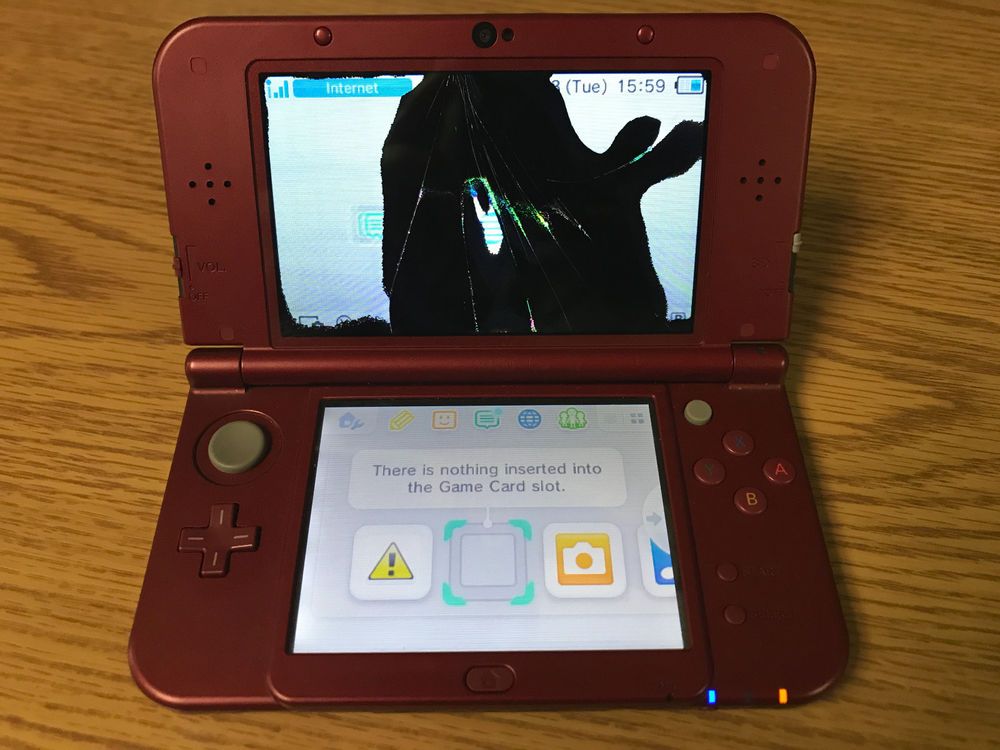
The main screen is significantly larger than the touchscreen below. When you close the device, the edge of the touchscreen presses against the main screen’s panel. And if you place the device somewhere it endures a bit of pressure (like in a cramped backpack), the edge of the bottom screen can press against it and cause the top screen to crack.
Nintendo fixed this design flaw with the 3DS XL version, but it didn’t mean much. After all, previous users who trusted Nintendo had already suffered enough.
6. Sony PlayStation – Overheating Issues and the “Cool” Disc Reader
Everyone has their first time, right?
Sony made waves worldwide with the launch of its PS1 in 1994. This console brought gamers incredible titles like Metal Gear Solid, Final Fantasy VII, and many other masterpieces.
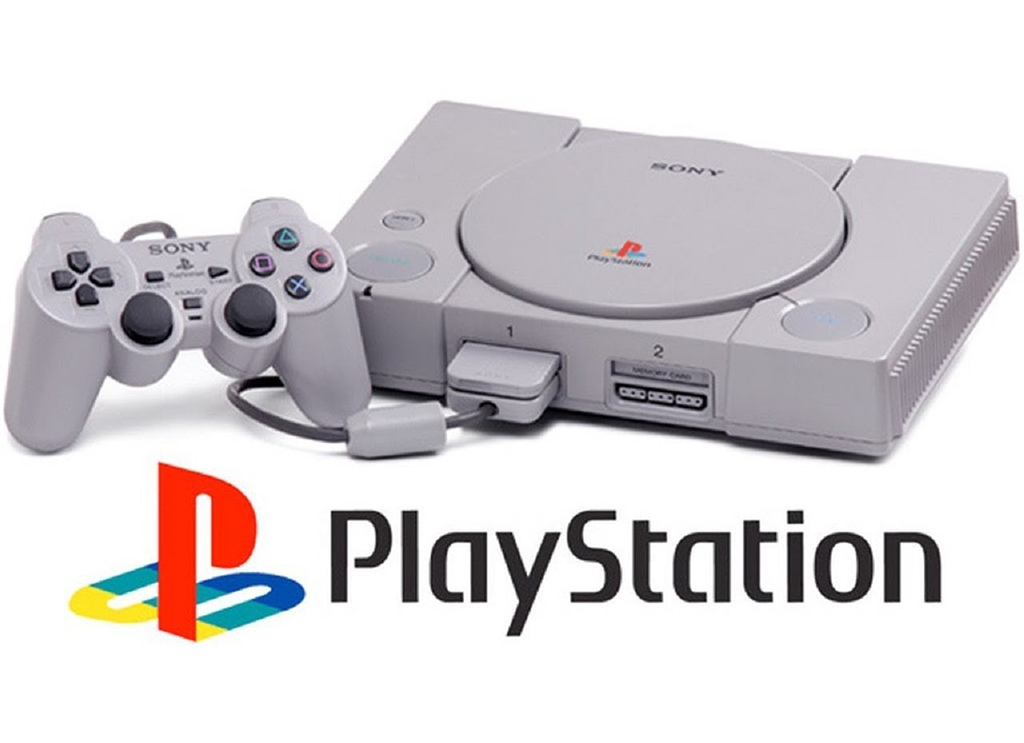
Early PlayStation consoles often had overheating issues because the air vent was located underneath. Reading CDs frequently encountered problems as the laser reader was quite prone to degradation. It became so common that gamers had to come up with all sorts of tricks, desperately trying to get it to run and let them play games for hours. There were even rumors that flipping the console upside down would help it read discs better, while some others would spin the disc with their fingers and pray to various deities.
But it’s okay; overall, the PS1 was still a very successful console.
5. Nintendo Wii U – Just Looking at It Drains the Battery
A little more battery wouldn’t hurt, would it?
After the success of the Wii, Nintendo decided to leverage its handheld gaming advantage. It resulted in a gaming device with a 6-inch screen that could have been fantastic if not for the battery issue.
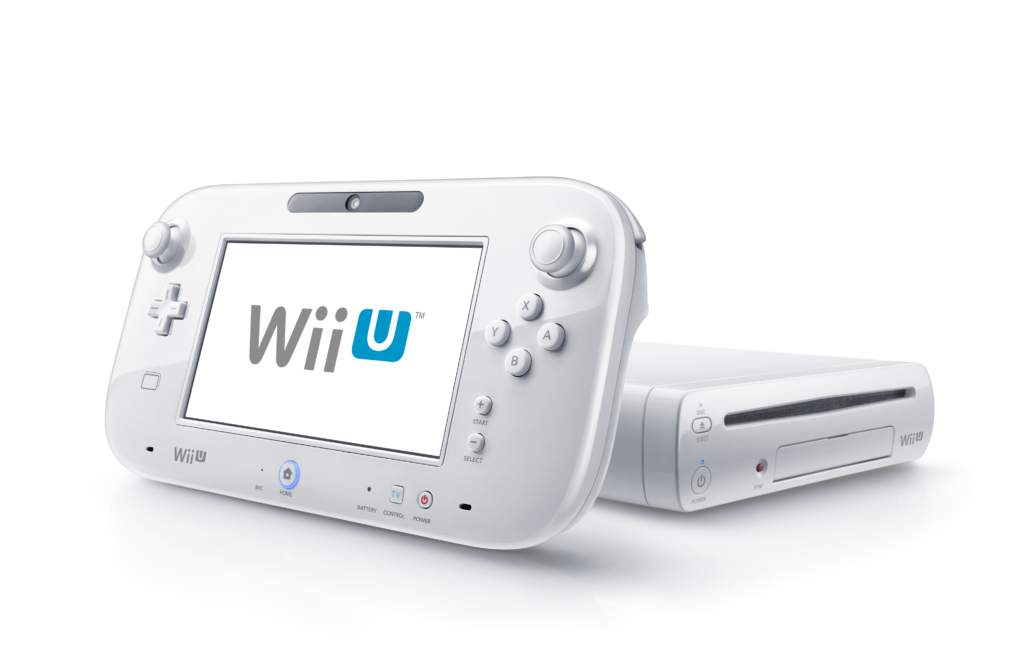
Unfortunately, Nintendo was a bit too stingy when designing the battery for this device. If you opened it up, you would see plenty of empty space for a much larger battery. Clearly, it was designed for a bigger battery, but Nintendo didn’t go through with it. The battery life should have been around 6 to 12 hours instead of just 3 to 6 hours. In reality, you could push the battery life to those levels, but you’d have to purchase an additional battery from Nintendo.
Take a device, split it in two, and cash in twice, easy money. Nice job, Nintendo.
4. Sony PlayStation 2 – Another Disc Reading Flaw
The first time it’s a little glitchy, that’s fine, but when it happens the second time with the same issue…
It seems Sony didn’t learn any lessons from their first PlayStation. The PS2 faced similar problems. From the early 2000s, the world began buzzing with rumors about the next generation of the PS. It was also capable of reading DVDs, which was cutting edge at the time.
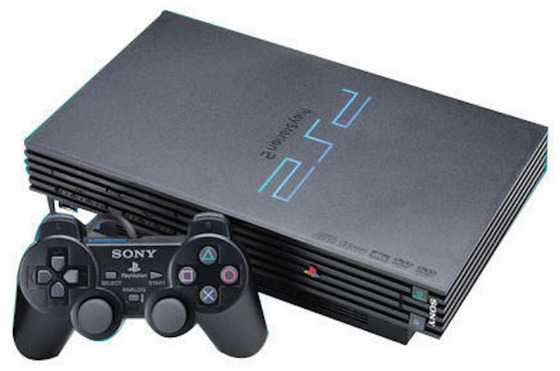
When the PS2 was launched, many people had to “fight” each other tooth and nail to get it as soon as possible just to end up with a finicky brick that was extremely picky about discs. People shared all sorts of methods from standing it upright on the table to sticking it on the wall or even taking it apart to clean the disc reader every time it acted up. Generally speaking, the PS is a prime example of how developers must listen to users to succeed.
3. NES – Dust Issues
Sometimes, dusting takes longer than actually playing the game.
The NES is undoubtedly one of the most important consoles of all time. It paved the way and ignited the entire gaming industry, bringing classic games that made up the childhood of many. However, the more fun you have playing, the more frustrated you get when it refuses to read your favorite game cartridge dozens or even hundreds of times.
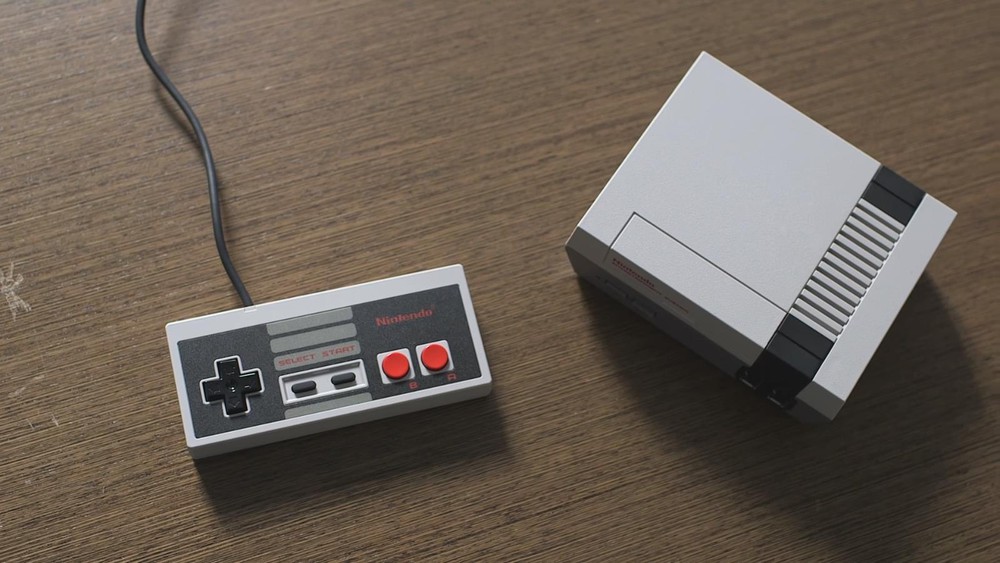
The cartridge mechanism involves opening the console, pushing the cartridge in, pressing down, and then closing the console lid. Generally, it works well, but only in a “sterile” environment. The problem is that just a little dust on the reader head or the game cartridge can wreak havoc. If you’ve ever spent your entire youth dusting off your NES, that youth of yours was pretty great, indeed.
2. Game Boy Advance – No Backlight
Here come the genius engineers at Nintendo again.
Back in the day, backlights on gaming devices weren’t common. But after Nintendo released the successor to the legendary Game Boy without a backlight, people realized its problem. The original Game Boy also lacked a backlight, but at the time of its release, it was good enough; the issue here is that the Game Boy Advance came out at a very different time.
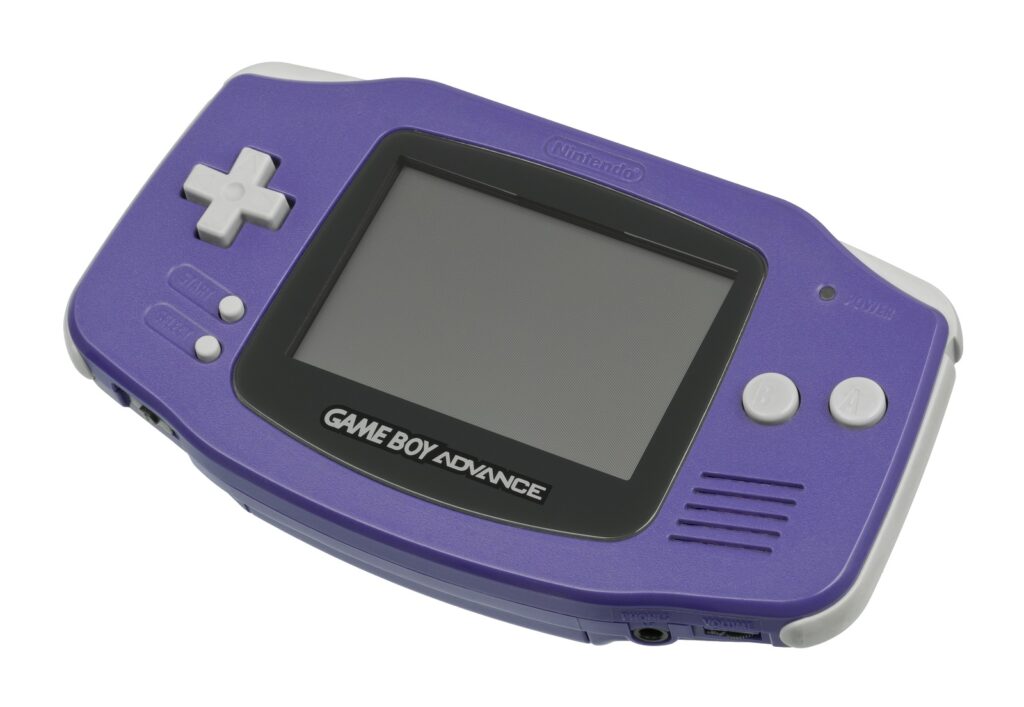
The GBA used AA batteries, so Nintendo may have decided not to use a backlight to maximize battery life. The result was a very dark screen that you could hardly play without environmental light. Taking it outside at night rendered it useless. By 2004, Nintendo had released a GBA version with a backlight, but by then, GBA users had already endured the annoying issues related to the lack of one.
1. Xbox 360 – “Red Ring Of Death”
The biggest console fiasco of all time.
The Xbox 360 was a good and powerful console. However, if you bought one of the early Xbox 360 consoles, you probably experienced the horrifying nightmare known as the “Red Ring Of Death.”
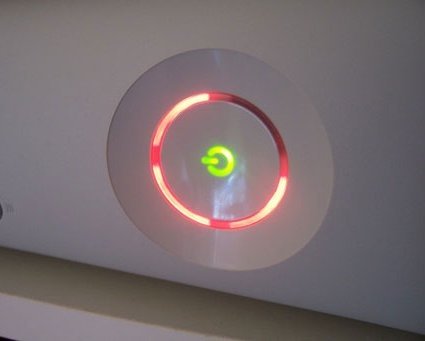
Xbox’s quick error reporting system would indicate a hardware fault through a ring around the power button. If your machine suffered severe hardware issues, it would signal an error by lighting up three-quarters of the circle around the power button. This error reporting system was quite clever but exposed design flaws in Microsoft’s console. The main causes were poor cooling systems and soldering faults. Once out of warranty, many had to find their own fixes since Microsoft refused to address it.
Later, when public pressure mounted, Microsoft announced that all Xbox 360s sold since launch would be covered by a three-year warranty. They fixed the RROD for free and refunded those who had paid for repairs prior. This ended up costing Microsoft over $1 billion.
Thankfully, Microsoft recognized its mistakes and produced a much more reliable Xbox One. It survived and continued to learn.
According to Gearvn