


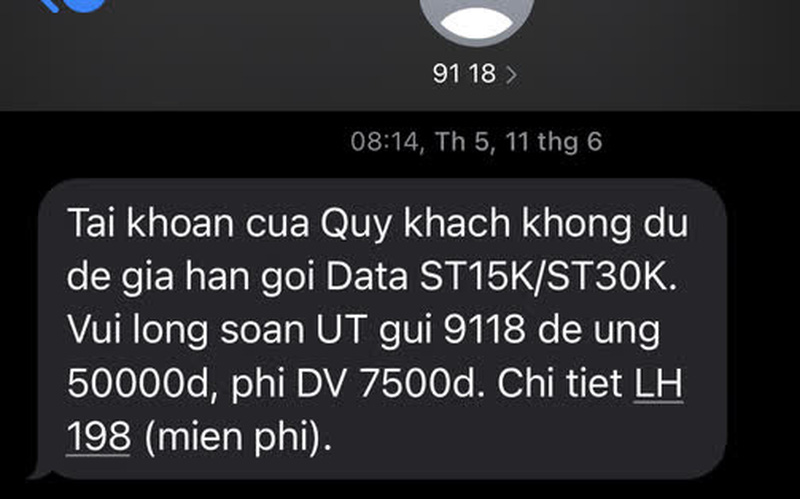
Regardless of which major mobile network you use in Vietnam, such as Viettel, MobiFone, or Vinaphone, you will easily notice a phenomenon that messages from the operators mostly use Vietnamese without accents. Moreover, not only the mobile networks but also the message systems of businesses still use this “brick phone language”.
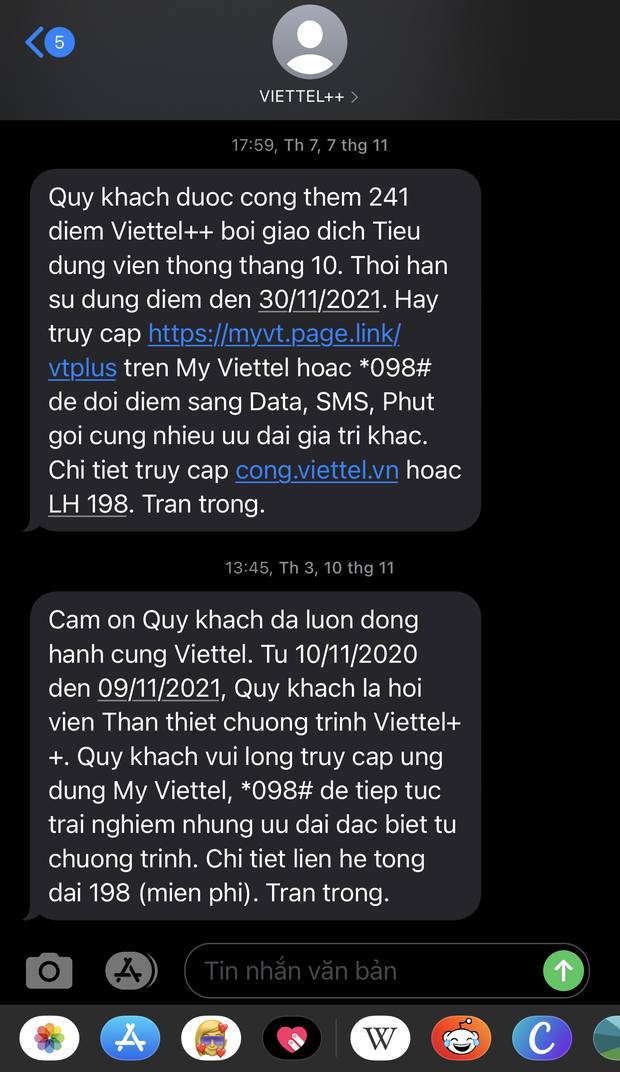
Although the language used is very easy to understand and “translating” it is not difficult for regular users, this still makes us wonder “Why, in the 4.0 era, do mobile networks still send messages like in the button phone days?”
In fact, mobile networks have never provided an official answer to this query. Therefore, we can only speculate based on prior information and deduce the real reasons behind it.
According to some tech-savvy users discussing on forums, the first reason might be that although smartphones are now extremely popular, some older phone models or foreign devices may still encounter issues displaying Vietnamese with accents due to font errors.
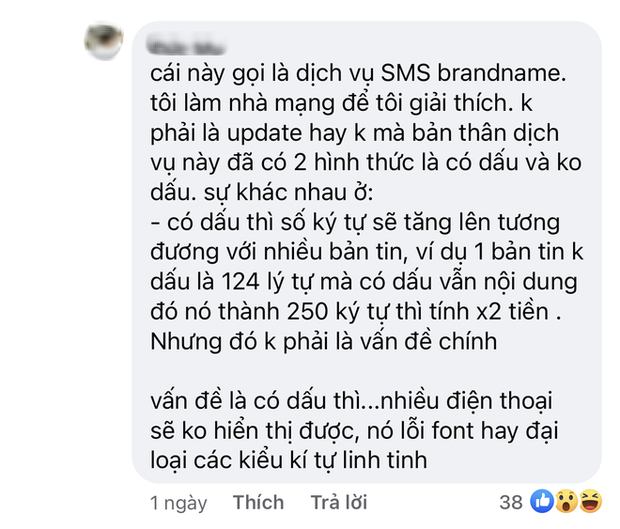
Besides this reason, a plausible second reason comes from bandwidth constraints. Specifically, some members explain that composing messages with accents will consume more characters than regular messages, and consequently, the size of each message will also increase. For individual users, sending a few messages is not an issue, but for mobile networks, processing hundreds of thousands or even millions of large messages simultaneously can cause network congestion, resulting in messages not being sent or arriving late, and potentially incurring additional costs.
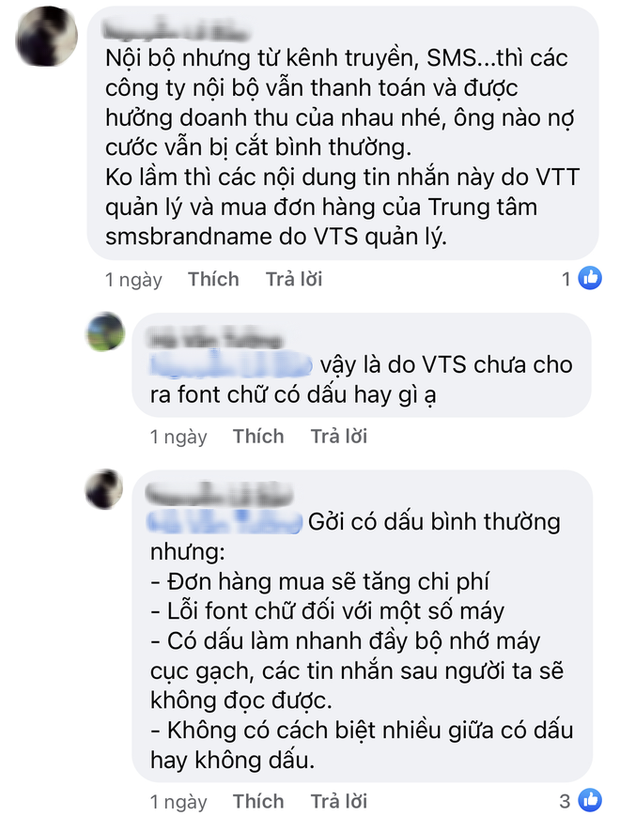
Thus, the reasons why Vietnamese mobile networks still send messages in Vietnamese without accents, alongside some accented messages, can be summarized as issues related to data transmission, as well as ensuring that all users can easily receive notifications.
Image: Facebook