


An 8GB RAM stick at the beginning of 2019 could cost up to 2.5 million VND. By early this year, the same RAM stick is only worth half that. SSDs are the same; their prices fluctuate extremely wildly. If you pay attention, you’ll notice that RAM and SSD are the most unstable components in all computer hardware. Why is that?
Actually, it’s not complicated at all; everything is very simple. Let’s get started.
For those who may not know, DRAM and NAND chips are very versatile products. They don’t just appear in computers; they are everywhere, from phones to smart TVs, smartwatches, and even in smart microwaves. They are found in countless electronic devices of the modern world. This is the versatility we are talking about. And this versatility is the root of the problem.
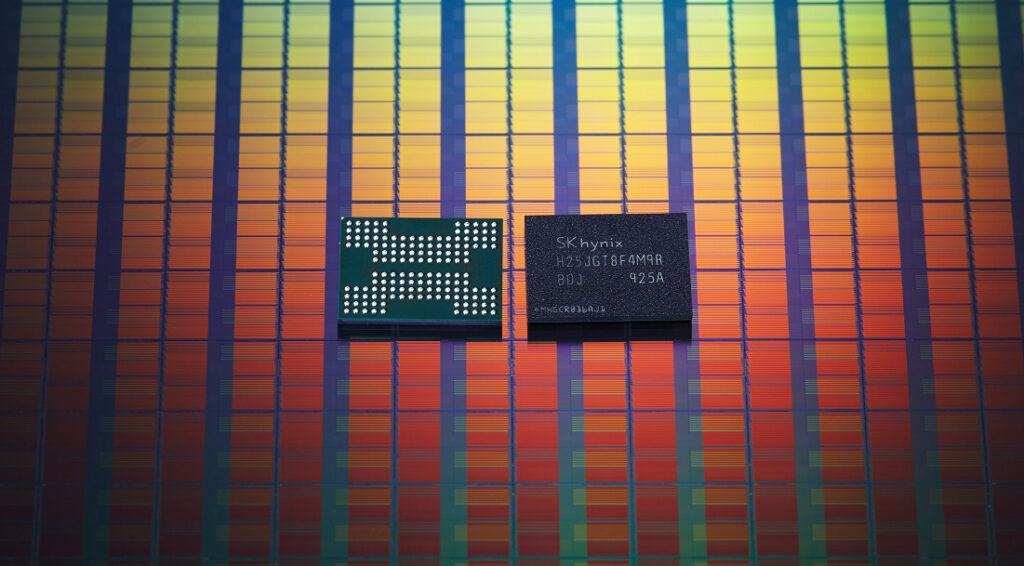
DRAM and NAND in computers, phones, and many other devices are basically the same. Therefore, manufacturers can easily increase their production to serve various markets. All they have to do is shrink the physical size of the DRAM/NAND chips to produce as many units as possible on a single wafer to sell to all their customers from different markets. The problem starts here.
There are too many external forces affecting the prices of RAM and NAND, making it difficult for manufacturers to determine how much product they need to produce to supply their customers. As a result, shortages and surpluses can happen very easily. For example, when a new iPhone model launches and sells very well, the supply of components like DRAM and NAND can become scarce. Another example is when cloud gaming platforms like Google Stadia emerge; Google buys a lot of DRAM and NAND, which also affects the supply.
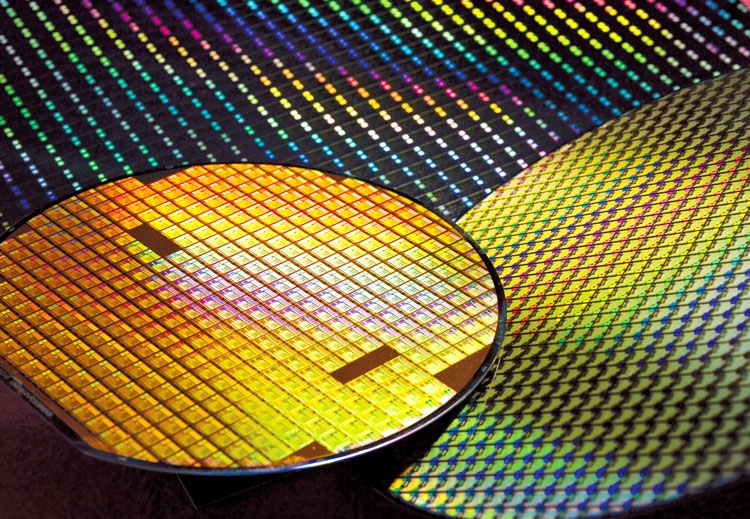
Furthermore, the semiconductor production lines are extremely complicated and intricate; even a small mishap can turn into a disaster in the blink of an eye. For example, if a DRAM manufacturing plant experiences a power outage, the air filtration system will not operate, allowing tiny dust particles from the environment to settle on the wafers. And bam, all the wafers with dust on the production line are ruined. Typically, it can take a week or more to fix such an issue.
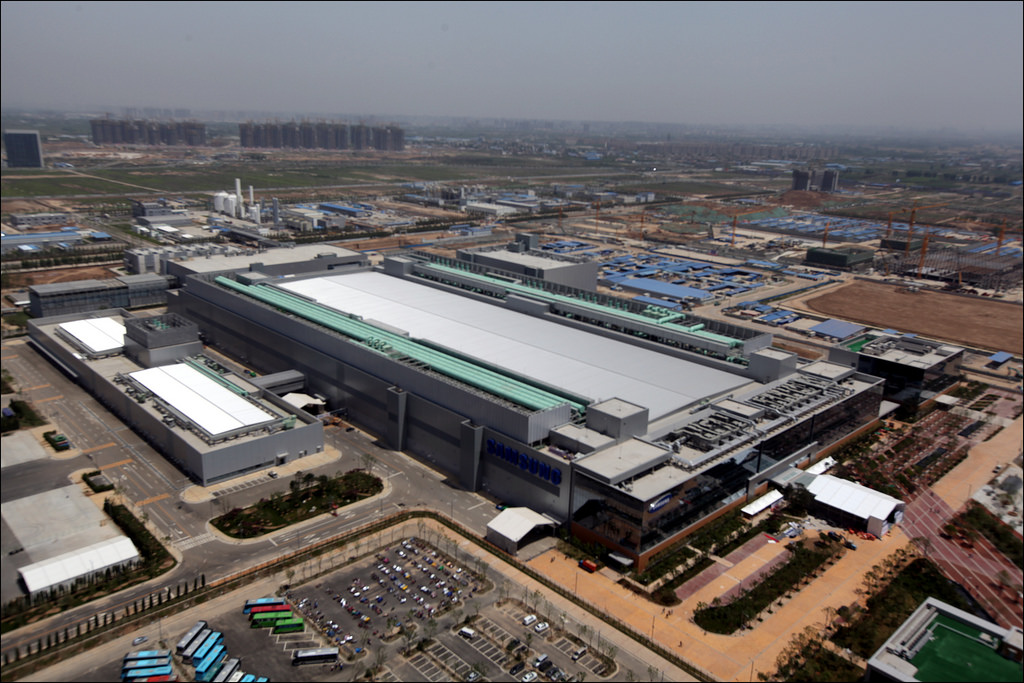
Political conflicts also play a role; for instance, consider the noisy dispute that consumed countless columns of the press between Japan and South Korea back in 2019. Everything was fine until South Korea brought up issues from World War II, along with a host of other problems, gradually worsening the situation. As a result, Japan punished South Korea by implementing export and import restrictions, leaving South Korea without materials to produce RAM. Unfortunately, Samsung and SK Hynix of South Korea are the two major DRAM chip suppliers for the global market, causing ripple effects worldwide. Fortunately, this issue was considered to have a swift and smooth resolution, so the RAM and SSD markets were not significantly affected. However, that was just luck; any similar conflict that drags on could worsen the situation and drive SSD and RAM prices sky-high.
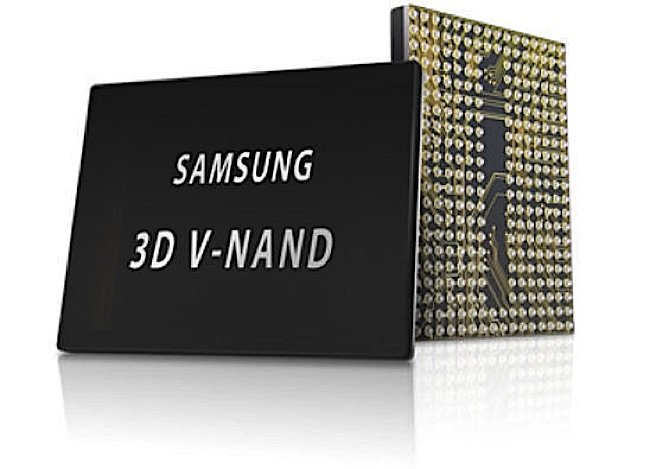
Remember the smartphone boom? DRAM and NAND manufacturers predicted that the smartphone market would thrive. So after a few years, everyone had a smartphone, and boom, the market became saturated, leading to excess inventory and plummeting prices. Young people buying RAM during that time suddenly got a great deal. There were even times when RAM prices dropped below production costs.
From these reasons, we can see that the DRAM and NAND chip market is very fragile, volatile, and influenced by too many unpredictable factors. So it’s no surprise that their prices fluctuate wildly. I hope this article provides you with useful and interesting information.
Source: Techquikie translated by Gearvn