


The implementation of multiple-choice exams is becoming increasingly common, not only in major exams such as the National High School Graduation Exam and university finals but also in tests across various educational levels. Overall, if multiple-choice testing is not well-organized, it can create a prime opportunity for cheating to thrive. Students only need to know each other’s exam codes to casually say: A, B, C, D, which makes it very easy. The effectiveness of filtering students based on tests also becomes a failure.

However, “the thick skin of the tangerine has sharp nails.” Teachers still have many ways to prevent their students from revealing exam codes to each other. Accordingly, many teachers meticulously write exam codes using unique symbols, often foreign language characters that students cannot… read or explain to their friends. Or instead of normal numbering, teachers might use a series of super long Latin character codes that are so lengthy that they make no sense and follow no order from the left margin to the right margin.
Below are some of the extremely creative exam codes that will make students “frown” every time they try to copy answers.
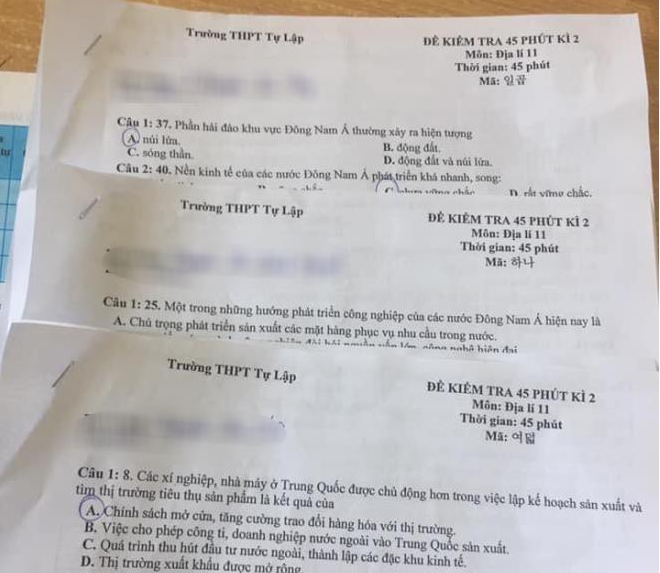
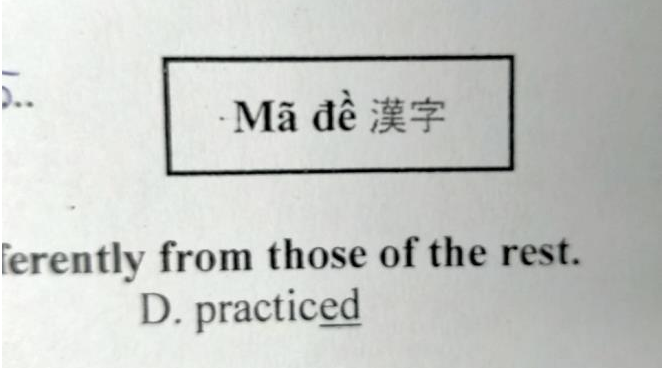
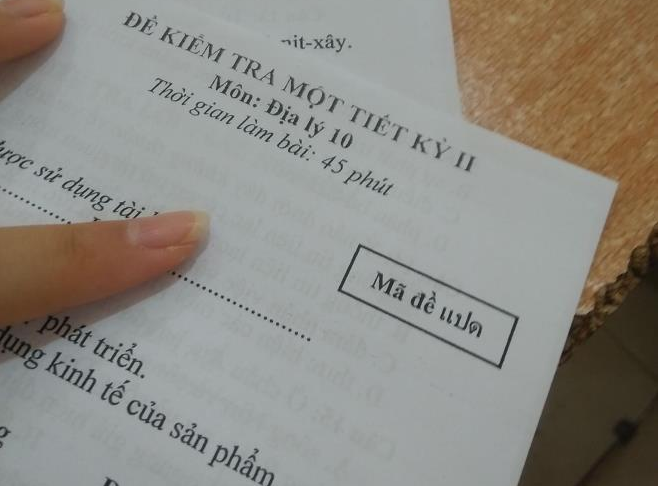
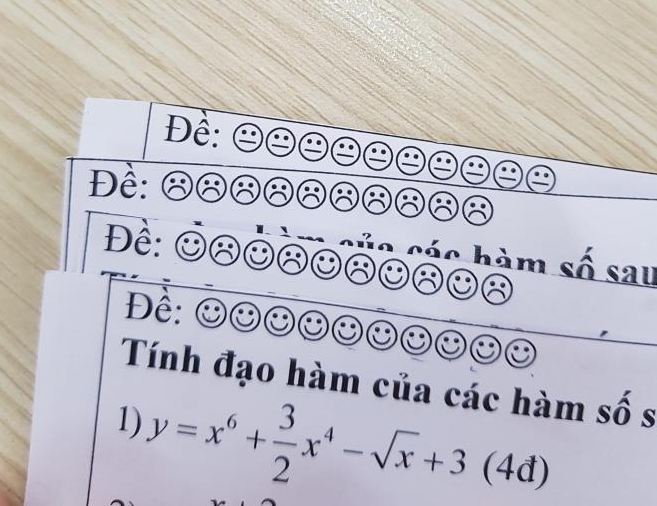
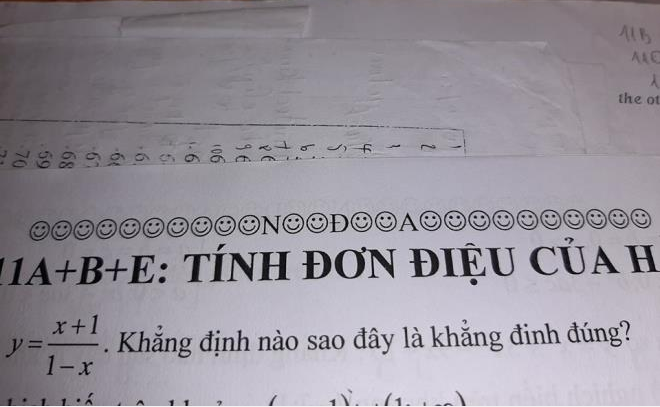
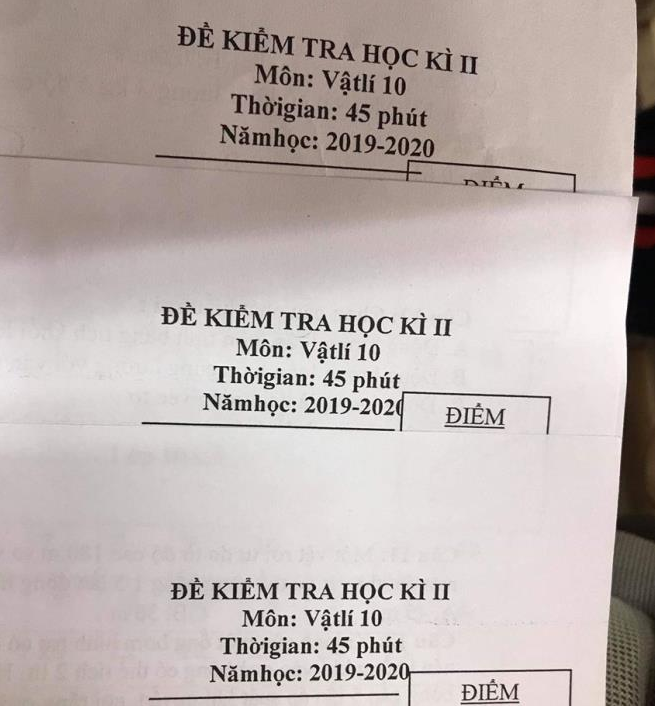
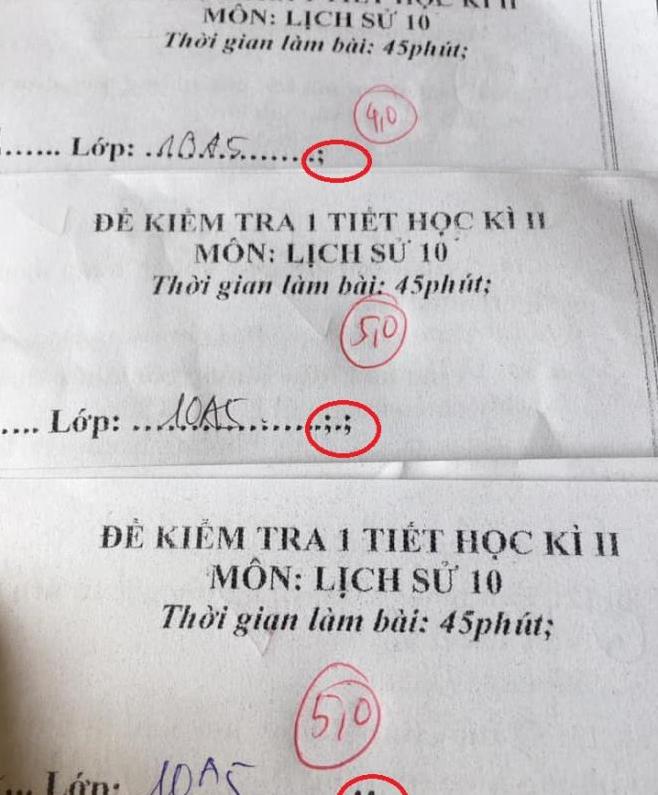
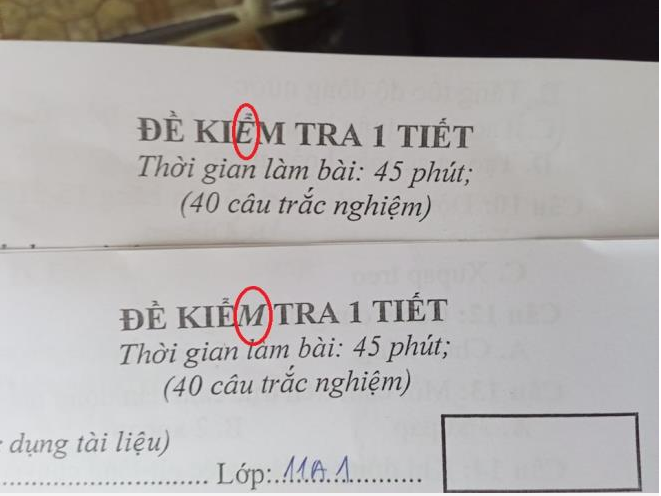
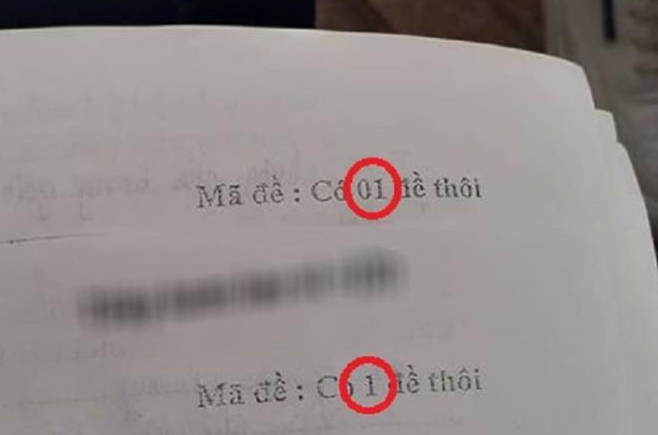
In the past, it was common for teachers to check students’ knowledge by gathering all pairs and materials that could contain notes at the podium. However, with increasingly sophisticated cheating tactics, preventing students from sharing answers based on encoding exam codes is incredibly necessary.