


Indeed, the success or failure of a game does not solely depend on its storyline like in films, but that does not mean fans will overlook a terrible game ending.
Some endings cause fans to turn away in disgust due to their poor execution, while others create a divide within the fan community, sparking heated debates about who is right and who is wrong. As a result, the future of that game or even the entire franchise remains uncertain. Here is a list of the 10 endings that killed entire franchises.
No matter how you choose, it’s death – Mass Effect 3
Mass Effect was once a highly acclaimed AAA RPG that gamers had high hopes for, but with the third installment, it’s baffling how they could produce such a ridiculous ending. In the previous two installments, every action and decision made by the player significantly impacted the storyline, leading to various possible endings. Aware of this, players were cautious with their choices in the third installment, eager to see how BioWare would conclude Commander Shepard’s story.
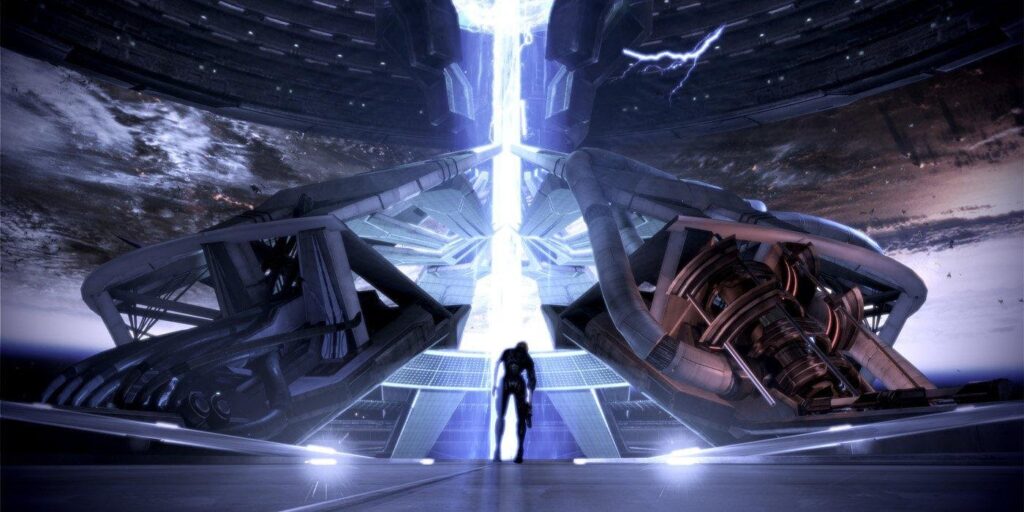
However, when it came to the finale, players discovered that everything they had done previously was meaningless, and after investing countless hours, it all boiled down to a very simple choice: pick a color you like. No matter what you did before, you had only three choices, and no matter which one you picked, Shepard had to sacrifice himself. At that moment, players felt as if they had been duped. BioWare later added an additional ending, but overall it did not change anything, and what happened could not be undone.
This not only tarnished the Mass Effect brand but also turned fans away from the franchise. Proof of this is the subsequent installment, Mass Effect: Andromeda, which was a catastrophic failure, especially in terms of sales. Following that, many sources reported that EA had “frozen” the series for the foreseeable future, likely to find a way to revive Shepard.
Disappointing Ending – Metal Gear Solid V: The Phantom Pain
It must be acknowledged that Metal Gear Solid V: The Phantom Pain is one of the best open-world action games of all time, but at the same time, it dealt a devastating blow to the Metal Gear Solid franchise due to a controversial ending (or arguably, a lack of an ending). Despite the plot twist in MGSV that divided the fan community, what frustrated them even more was the abruptness of the game’s conclusion.
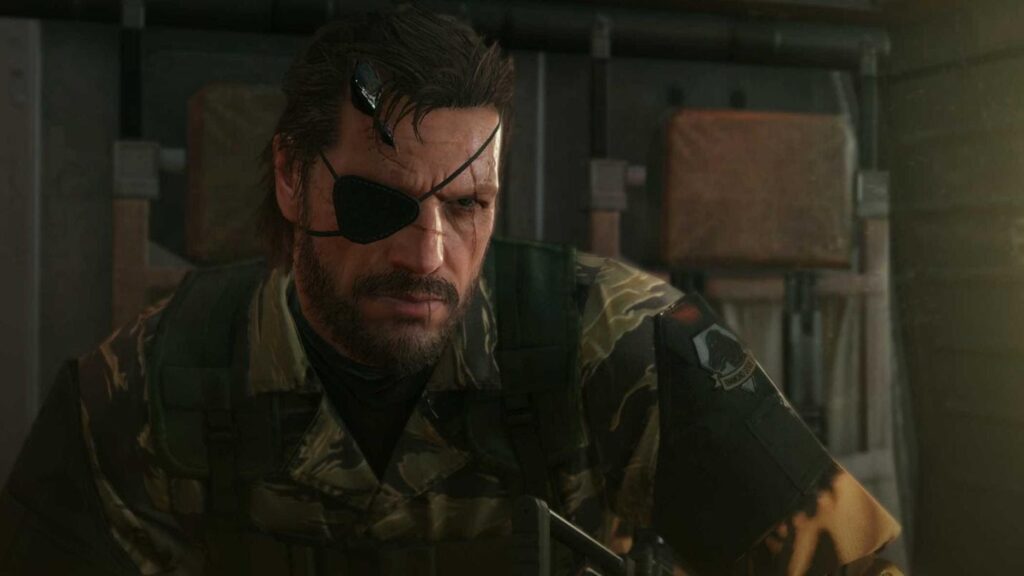
Due to Konami pushing for a quicker release, it’s understandable why the game’s conclusion turned out the way it did. MGSV missed Chapter 3, but if it had included this chapter, the ending would have been more satisfying, preventing the franchise from reaching its current state of despair. This also resulted from the split between Konami and Hideo Kojima – the creator of the franchise. Even though Konami released a spin-off Metal Gear game afterward, it was unsuccessful, and Metal Gear Solid essentially “died” with the fifth installment.
Desmond’s Sacrifice – Assassin’s Creed III
Although the Assassin’s Creed franchise continues to thrive and prosper today, for many fans, the allure of the series faded significantly after the infuriating ending of Assassin’s Creed III (2012). From the first installment up until that point, players were almost certain that Desmond would be a hero, playing a pivotal role in the entire series, but by the conclusion of AC III, for some reason, Desmond sacrificed himself to save humanity from extinction.
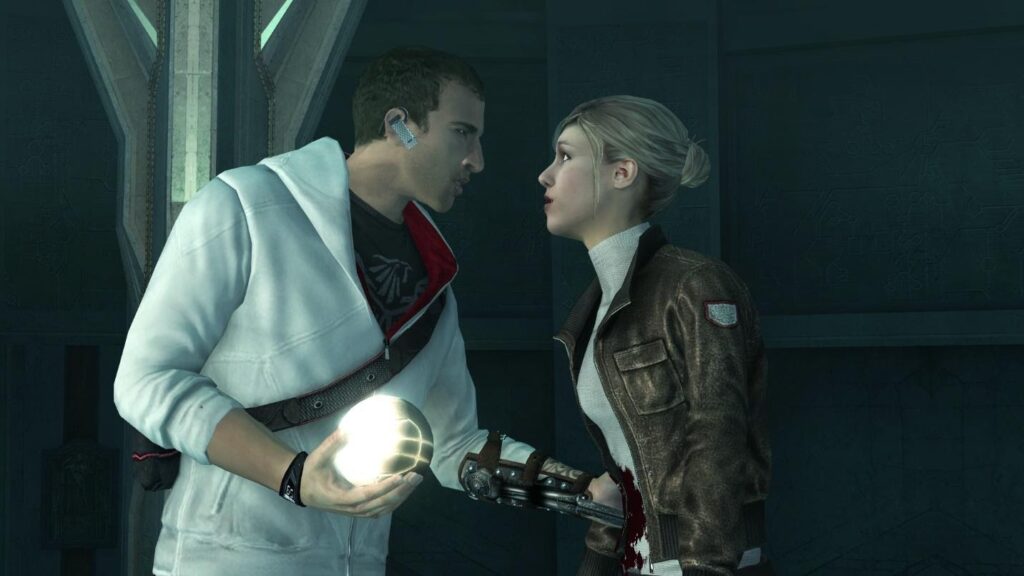
From that moment on, the game diminished the modern-day elements as the developers clearly had no idea how to proceed after Desmond’s death, even though these elements were the most intriguing and captivating aspects of the series’ mythology. The subsequent installments were not bad by any means; they were still engaging, but many gamers chose to abandon the franchise after witnessing the rather abrupt ending in the third installment.
Choose Chloe or Arcadia Bay – Life Is Strange
Although the dialogue in the game can be somewhat clunky, the first season of Life Is Strange is an excellent fantasy drama, except for the ending that “squashed” the franchise. The game concludes by giving players a choice: either save your best friend Chloe or let Arcadia Bay be destroyed.
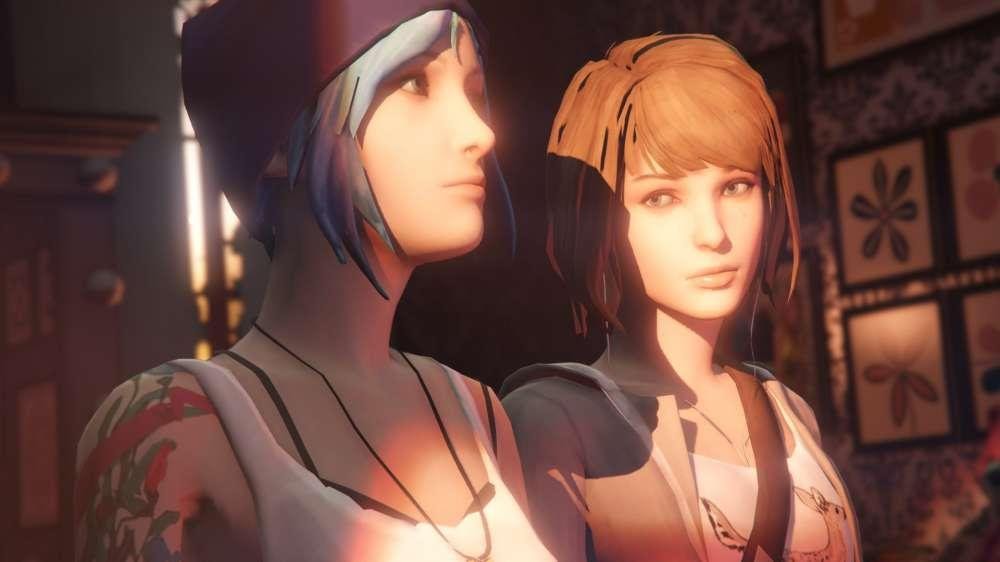
Many fans were outraged by this ending because throughout the game, players knew that Max, the protagonist, had the ability to rewind time. Choosing between the two options also meant that the developers would have to create a new story and entirely new characters for the sequel, which ultimately divided the fan community.
After all, players loved the duo of Max and Chloe, so the abrupt shift to a completely different setting and cast of characters in Life Is Strange 2 left many fans dissatisfied. On top of that, Daniel in the second installment was quite annoying as well. Whether or not there will be a third installment, the shadow of Max and Chloe is likely too big for the developers to overcome.
Only to Discover at the End That This Is an MMORPG – Star Ocean: Till The End Of Time
Star Ocean: Till the End of Time has one of the most spectacular twists in gaming, gradually revealed throughout the game. Players discover that all the characters in the game are NPCs (Non-player characters) existing within a computer simulation. Thus, everything players have built over four installments is nothing more than an MMORPG.
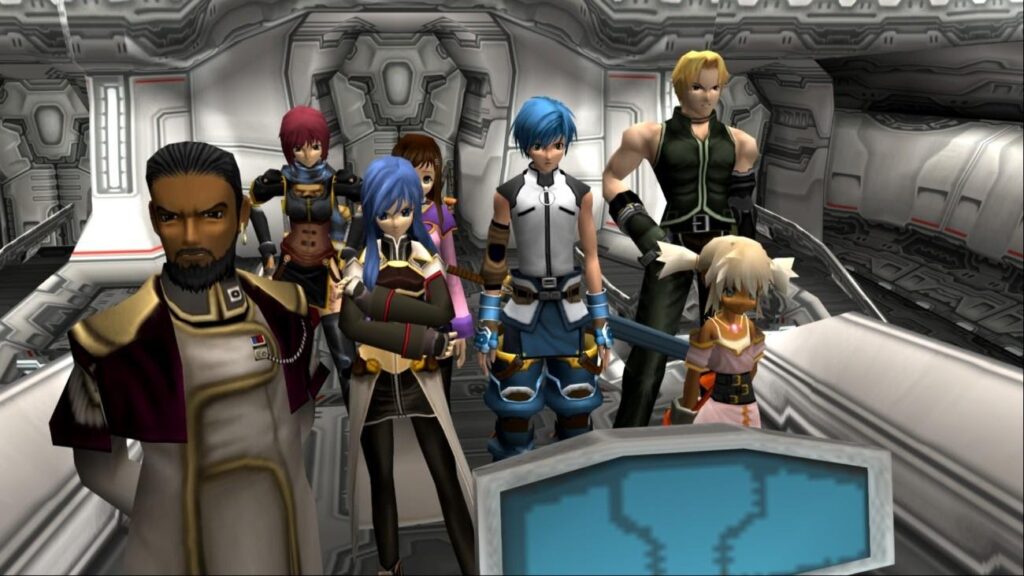
Aiming to surprise fans, developer tri-Ace caused many players to reevaluate their feelings about the series, and worse, it led fans to lose faith in the game’s storytelling. Consequently, many loyal fans turned their backs on the franchise since then. As a result, subsequent Star Ocean games released were prequels, likely because tri-Ace realized that if they made a sequel, it would be utterly meaningless.
Source: What Culture translated by Gearvn