

President Donald Trump has just signed an order targeting internet companies like Facebook, Twitter, Google, and a previous internet law that granted these companies legal immunity for user-generated content on their platforms.
“We are fed up with this stuff,” Trump told reporters in the Oval Office before signing the order.
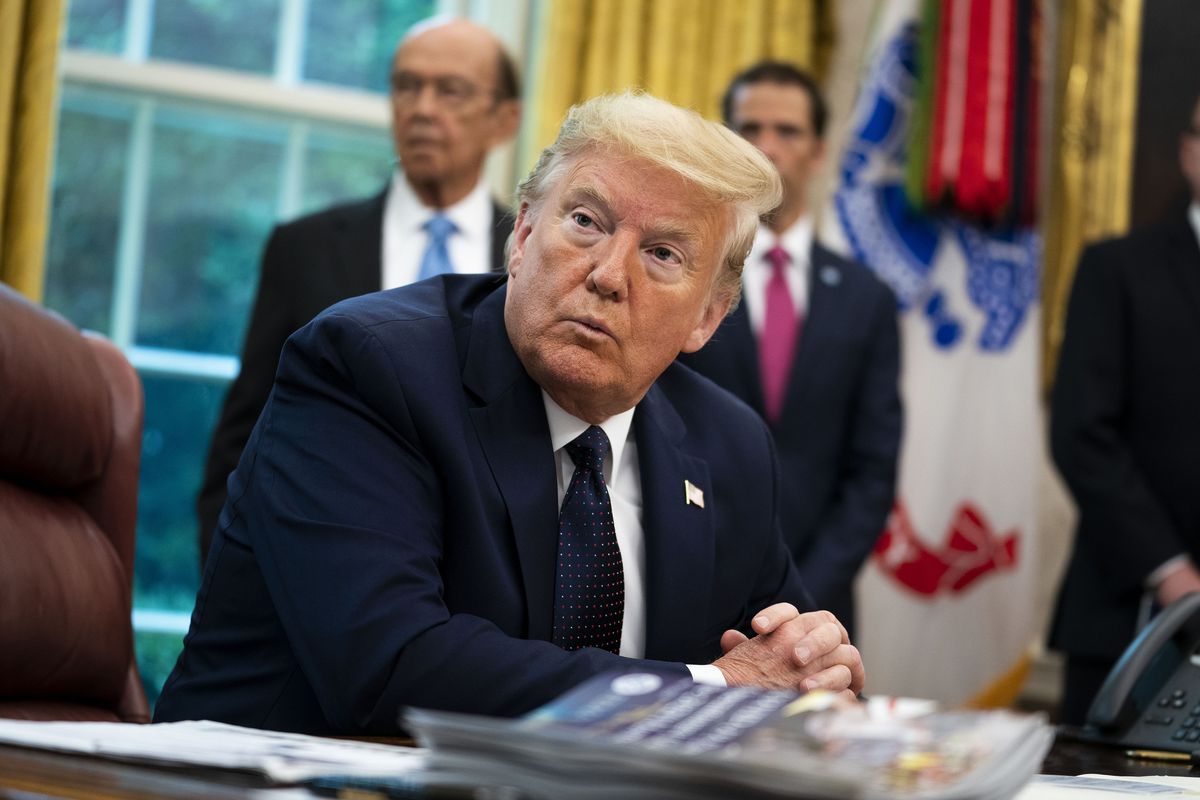
Previously, under Section 230 of the Communications Decency Act, internet companies were granted immunity for content posted by users on their platforms. However, according to the new order that President Trump just signed, this immunity will be curtailed, and companies like Facebook, Twitter, and Google will be held legally responsible for user-generated content.
Trump stated: “This is a big problem. They have a protective shield. Therefore, they can do whatever they want. But now they will no longer have that shield.”
The order targeting internet companies was signed after Twitter labeled Trump’s posts with misinformation twice. The President’s tweets contained misleading information about mail-in voting and voter fraud; Twitter labeled them as misinformation and added links directing users to additional reports on the issue.
Twitter immediately opposed the new order issued by President Trump, stating that Section 230 is a landmark law: “Section 230 protects American innovation and free speech. Efforts to undermine this law will threaten the future of free speech and freedom on the internet.”
Facebook also released a statement opposing Trump’s order: “Facebook is a platform for diverse viewpoints. We believe in protecting free speech on our services while also protecting our users from harmful content. Removing or limiting Section 230 would have negative effects. By punishing internet companies for what billions of users say on their platforms, it would force these companies to use censorship measures on any controversial content.”
With the elimination of the protective shield, internet companies like Facebook, Google, or Twitter will be legally accountable for the content users post. This means these companies must rigorously censor, removing controversial and sensitive content. Social media and the internet will be regulated, something that has never happened before, and it will completely change the internet landscape in the future.
Section 230 of the Communications Decency Act
Section 230 of the Communications Decency Act, passed in 1996, states that an interactive computer service shall not be considered a publisher or speaker. It protects internet companies from legal liability if users post illegal content (except in cases of sharing pirated content or pornography).
Internet service providers are allowed full discretion to moderate content on their platforms. In other words, users cannot sue Facebook or Twitter for banning their accounts while not banning another account.
The Electronic Frontier Foundation calls this the most important legal provision in protecting free speech and debate on the internet.
However, there are also controversial opinions arguing that Section 230 gives internet companies too much power. It allows these companies to overlook the harmful content being spread on their platforms and its impact on users.
Source: theverge