


Shoji Morimoto is a 38-year-old resident of Tokyo. He charges 10,000 yen (71 USD) for each session with a client and does nothing else.
“Basically, I rent myself out. My job is to be wherever the client wants and do nothing else,” Morimoto told Reuters.
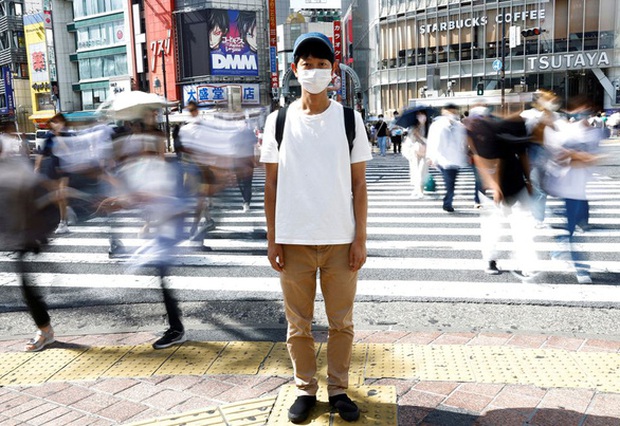
Over the past four years, this man with a unique job has been hired around 4,000 times.
With a tall frame and average looks, Morimoto has nearly a quarter of a million followers on social media platform Twitter, where most of his clients come from. About a quarter of them have returned after experiencing Morimoto’s service, with some having hired him up to 270 times.
Morimoto’s job is quite varied, such as taking clients to a park to play on the swings, or smiling and waving from a window for clients who want to be sent off.
Doing nothing does not mean Morimoto will do anything. He has declined requests to move refrigerators and to go to Cambodia. Morimoto also does not accept requests related to sexual services.
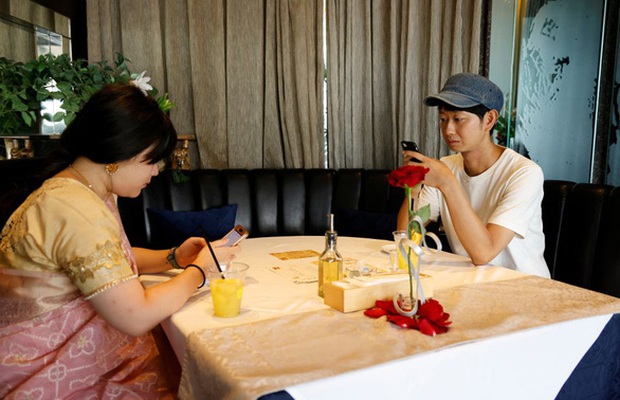
Last week, Morimoto sat across from Aruna Chida, a 27-year-old data analyst wearing a sari (or saree, a traditional and popular attire among Indian women, wrapped around the body in various styles). The two chatted over tea and pastries.
Chida wanted to wear Indian clothing in public but was worried it might make her friends uncomfortable. Therefore, Chida decided to hire Morimoto as her companion.
“For my friends, the way I dress might make me a laughingstock, but with this guy, I feel like I don’t have to say much,” Chida said.
Before Morimoto found this unusual job, he worked at a publishing company and was often criticized for “doing nothing.”
“I started to wonder what would happen if I offered my ‘doing nothing’ ability as a service to clients,” Morimoto said.
His current job is also the sole source of income for Morimoto to support his wife and children. Although he refuses to disclose how much he earns, Morimoto says he takes on 1 or 2 clients each day. Before the COVID-19 pandemic, this number was 3 or 4.
The strange nature of Morimoto’s job somewhat contradicts a society that values productivity and looks down on uselessness, especially in Japan.
“People tend to think that my ‘doing nothing’ has value because it is useful to others… But really, doing nothing is okay too. People don’t necessarily have to be useful in any specific way,” Morimoto said.