


Especially for those who often place their PC case on the floor and occasionally kick it with their feet. Sometimes, when unplugging cables from the motherboard or graphics card, you need to be extremely careful, or you might get shocked. Conveniently, this morning I was browsing online and saw someone asking about it, so today I will provide a guide. I hope it can be helpful to everyone.
Principle of Electric Shock Prevention through Grounding

Grounding is a solution to address the electrical leakage issues of electrical devices, including PCs. Connecting one end of a wire to the PC case and the other end to the ground creates a pathway for the leaking current in the case. Electricity will follow the path of least resistance, so when there is no grounding, the leaking current can only travel through your body and shock you. When grounded, there will be another path with lower resistance, thus protecting you from being shocked. Essentially, grounding does not eliminate electrical leakage but ensures that even if a device leaks electricity, you won’t get shocked.
Simple Grounding Guide
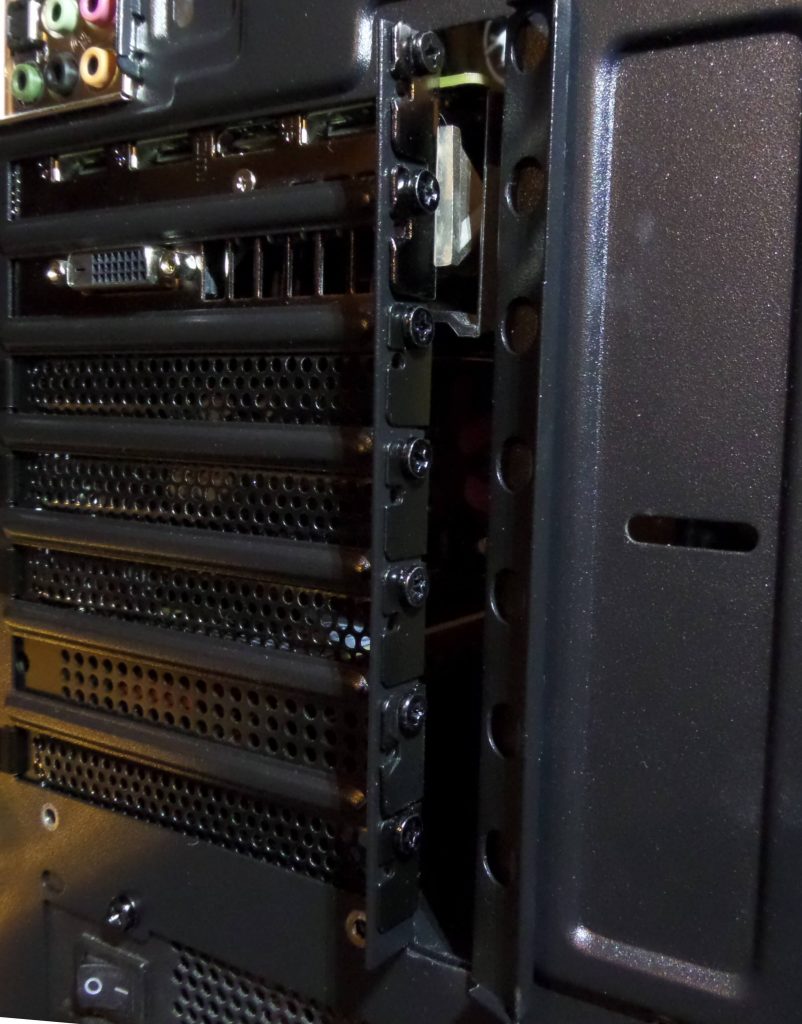
Grounding can vary in complexity, but grounding your case to avoid shock doesn’t have to be too complicated. You just need to follow the simple guide below. First, get yourself a piece of wire. The PC case will usually leak very little electricity, so you don’t need a thick wire; a wire like a phone charging cable is sufficient. Strip one end of the wire to expose the copper core and connect the copper part to the PC case. The easiest way is to use a screw from the PCI slot to secure the copper wire tightly; remember to scrape off the paint in that area to allow for better conductivity, and soldering it is even better.
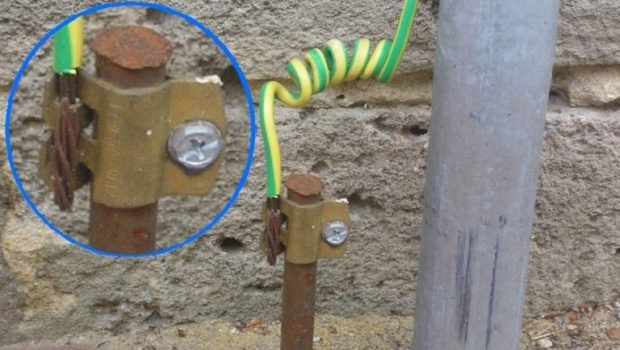
Next, find yourself a metal rod, preferably made of copper, about the size of your pinky finger. Drive this rod into the ground at least 10 cm deep and connect the other end of the wire to it, soldering it would be great too. If you want to be a bit more thorough, you can use electrical tape to wrap it securely or apply hot glue to the joint to protect it from the elements. If you can’t find a copper rod, you can use a long bolt and drive it into the ground; most hardware stores that sell plumbing supplies will have them.
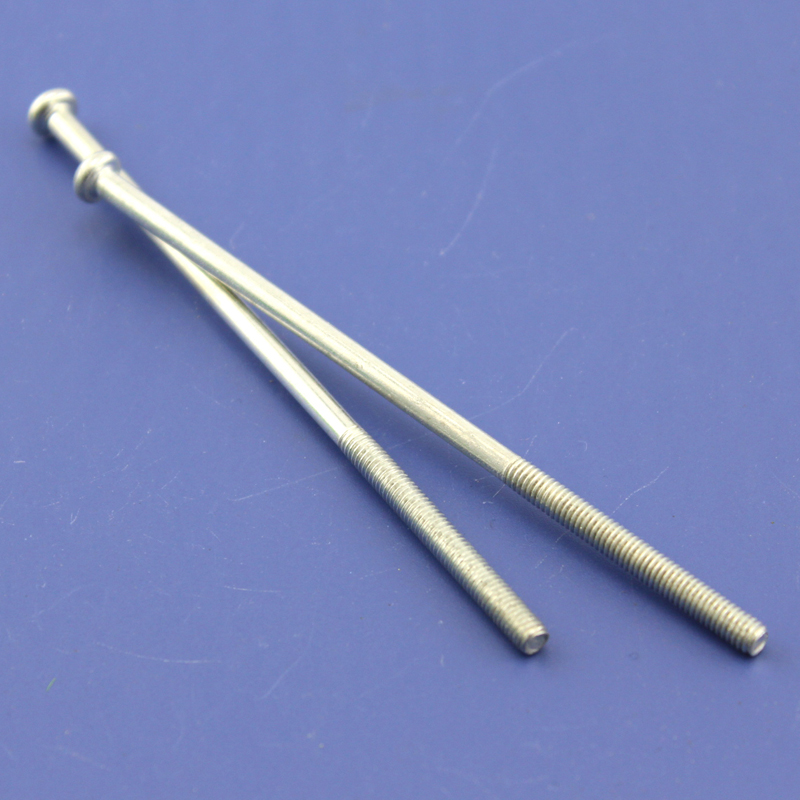
If your surroundings are all concrete sidewalks and asphalt roads or if you live in an apartment and can’t find soil to drive the rod into, you can connect to any metal parts of your house like the door frame, window frame, stair railings, balcony, or any metal thing that has legs or is embedded into the wall or floor.
You should also note that some metal objects are attached to walls or ceilings via screws into plastic anchors. For these types, it’s as good as not connecting at all, because plastic is an insulator.