


A few days ago, Xiaomi’s flagship Mi 11 was launched with a notable change. This smartphone will reach users without a charger included in the box. This was confirmed by CEO Lei Jun of Xiaomi just two days before the official launch of the device.
Similar to Apple’s decision to eliminate the free charger in the iPhone box, Xiaomi’s CEO also stated that their decision aims to protect the environment as USB-C chargers have become popular in the market.
However, Xiaomi has made another commendable decision by being willing to provide a free charger to users if they truly need it. This means that alongside the Mi 11 version with a box that doesn’t include a charger, users can choose the Mi 11 version that comes with a 55W charger at no extra cost.
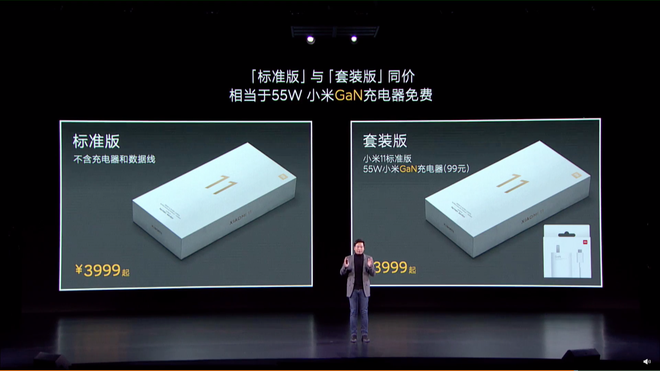
If there were a vote on environmental protection methods between Xiaomi and Apple, surely the winner would be the Chinese smartphone manufacturer because of their decision. Protecting the environment is the right thing to do, and indeed removing the included charger is one of the factors that contribute to that. However, whether to include it in the box or not should be up to the user, and more importantly, it should not affect the user experience.
Another major company that also makes user-oriented environmental protection decisions is Starbucks. With a commitment to reducing plastic waste, starting from 2020, Starbucks will eliminate plastic straws from its stores and switch to using paper straws – of course, they are still provided to users for free despite being more expensive. Furthermore, for users who bring their own water bottles, they receive an additional discount of 10,000 VND per cup.
This is similar to many other important environmental protection solutions today, such as using solar or wind energy, eliminating non-recyclable plastic bags, etc. All must be implemented in a way that does not affect the user experience.
Meanwhile, unlike the decisions of Xiaomi or most current environmental protection solutions, it is hard to say that Apple’s decision to eliminate the included charger truly aims at protecting the environment or enhancing the user experience.
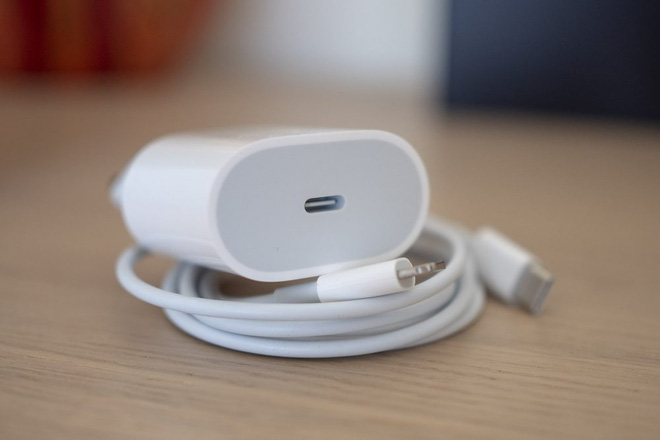
Users have no other choice but to look for a new charger if they do not have one already. Moreover, for iPhone 12 users, the charging cable included in the box is a USB-C to Lightning type, meaning it is not compatible with the old chargers from Apple. If they reuse old charging cables to charge the iPhone 12, they will only experience slow charging speeds.
Therefore, if users want to take advantage of the fast charging experience on the iPhone 12, they will have to purchase an additional compatible USB-C charger from Apple or other third-party manufacturers and dispose of the old charging cables. Ultimately, this will increase environmental pollution from old unused charging cables or packaging for separately purchased chargers.
This is in stark contrast to Xiaomi, where the charger included with the Mi 11 is a 55W GaN fast charger – one of the highest wattage chargers available for mobile devices today. Its fast charging speed is even faster than the 20W fast charger that Apple currently sells to users.
Perhaps similar to the “bad examples” that Apple previously initiated, the removal of the included charger from the iPhone will lead many other Android manufacturers, alongside Xiaomi, to follow suit in the near future. But at least these companies should take a cue from Xiaomi if they want to do it the right way – genuinely protecting the environment and user experience.