


The pneumonia outbreak caused by the 2019-nCoV coronavirus in Wuhan is causing great concern around the world. Currently, over 2700 people in China have been confirmed infected with the virus, with 80 deaths reported.
The emergence of the disease, related to the virus that caused the SARS outbreak that killed 800 people in 2002, occurs at a very unfortunate time: the Lunar New Year – when hundreds of millions of Chinese people begin traveling to their hometowns. Therefore, the government had to impose a lockdown on Wuhan – the epicenter of the outbreak – along with 12 neighboring cities.
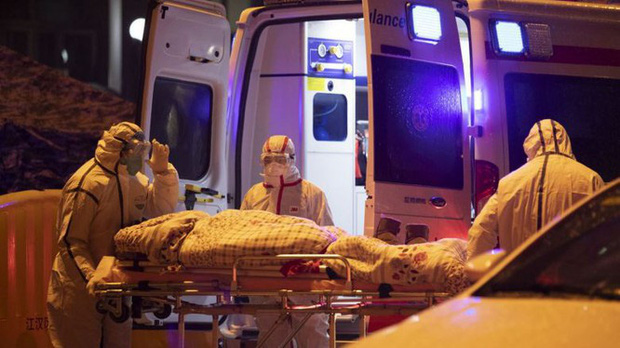
It can be said that the outbreak has surprised many people, but Eric Toner – a scientist from the Johns Hopkins University School of Medicine (USA) does not think so. He is not shocked at all because just less than 3 months ago, Toner had created a simulation scenario about a global pandemic related to a type of coronavirus.
“For a long time, I have thought that if a new pandemic were to occur, it would have to be from a type of coronavirus,” – Toner shared.
The outbreak in Wuhan is not yet considered a global emergency, but currently, 41 people have been infected outside the borders of Mainland China – including Thailand, Japan, South Korea, Vietnam, Singapore, Saudi Arabia, the USA, Australia, France…
“We currently do not know how transmissible this virus is. What is known is that it spreads from person to person, but to what extent is still unclear.” – Toner shared with Business Insider on January 24. “The initial impression is that it seems milder than SARS so we can take a temporary breath. However, it may be more easily transmitted than SARS.”
Toner’s assessment is also completely justified, as experts have recently determined that the new nCoV virus can spread even when the infected person does not show symptoms – something that did not occur with SARS.
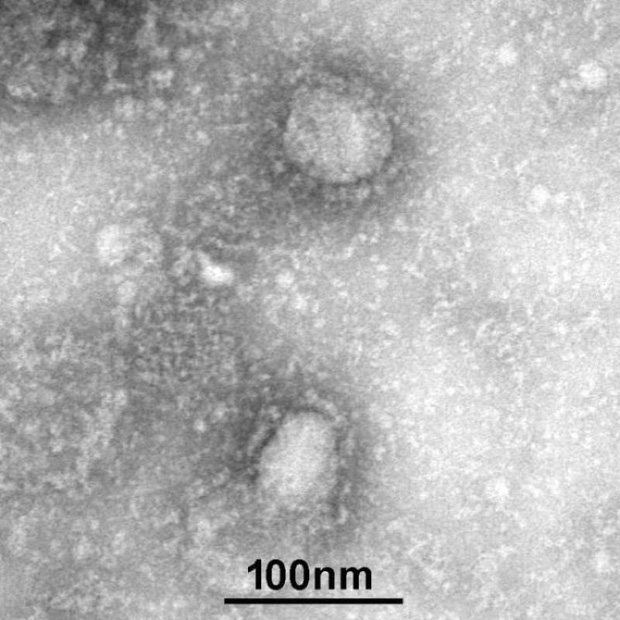
Scenario: Virus Kills 65 Million in 18 Months
Toner’s scenario simulates a virus abbreviated as CAPS. This is a project of the World Economic Forum and the Bill and Melinda Gates Foundation, examining what would happen if the outbreak originated from a pig farm in Brazil.
The CAPS virus in Toner’s model would have the ability to resist all modern vaccines. It is stronger than SARS and spreads like the flu virus. The outbreak begins on a small scale: farmers in Brazil start showing flu-like symptoms or pneumonia. From here, the virus spreads to the community and to nearby areas in South America.
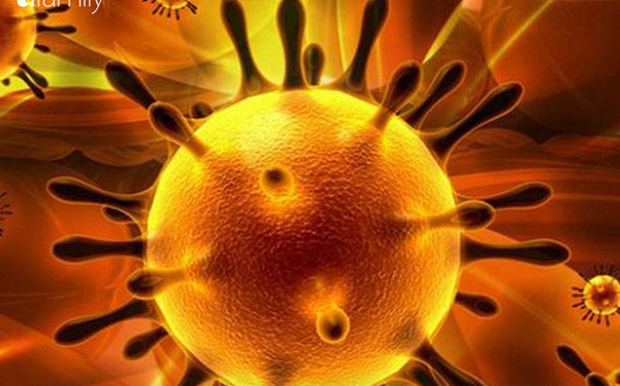
Flights are canceled en masse, tourism drops by 45%. People begin to panic due to unverified rumors from social media. After 6 months, the virus spreads globally, and only after 18 months, 65 million people will die from it. The outbreak is compared to the Spanish flu of 1918, which killed 50 million people.
The outbreak will immediately cause a global financial crisis: stock markets drop by 20% – 40%, GDP declines by 11%. The virus outbreak in Wuhan itself will have a similar financial effect when the number of cases reaches the threshold of 1000 (currently at 2700). For instance, on January 21, the stock market in Hong Kong (China) dropped by 2.8% due to reduced traffic, tourism, and related industries.
In the scenario, scientists cannot produce a vaccine in time to halt the outbreak. This hypothesis is based on the reality of the SARS and MERS outbreaks – both of which had no vaccine at the time of their emergence.
But of course, this does not mean the Wuhan virus will be the same. Currently, experts are racing to produce and develop vaccines to curb the outbreak, and they are gradually showing positive results.
“If we can create a new vaccine within a few months instead of years, the story will be completely different,” – Toner shared. “Nevertheless, we have to think about how to produce it on a global scale, as well as how to distribute it effectively to everyone.”
Source: Business Insider, The Guardian