


Not only is it the second most valuable cryptocurrency in the world after Bitcoin, but Ethereum is also becoming a popular platform for decentralized applications, NFTs, and many other popular applications in today’s digital currency world. However, along with the high transaction volume of the Ethereum network, high NFT transaction fees act as a barrier for newcomers entering this blockchain ecosystem.
This is a challenging problem to solve, as most blockchains will encounter this issue. Attracting many users will bring high transaction volumes but also means higher transaction fees, ultimately limiting new entrants into their ecosystem.
However, PARSIQ, a new blockchain platform, is proposing an intelligent solution to address this dilemma, significantly reducing NFT transaction fees while still ensuring the attractiveness of the above applications. Moreover, PARSIQ’s solution is expected to open a new door for the NFT economy.
The “Chicken or Egg” Problem in the NFT Economy
Essentially, PARSIQ is a platform that connects the activities of various blockchain chains to centralize applications, devices, legacy systems, and other off-chain networks. It standardizes every chain into a manageable system.
Not stopping there, PARSIQ’s next development step is to introduce the IQ Protocol for leasing NFTs. As a result, blockchain projects can establish reliable marketplaces for NFT leasing without the risk of loss or deposit costs. The IQ Protocol will help solve a headache in the cryptocurrency world known as “Token Note Needed” – or the “Chicken or Egg” problem whenever raising funds to launch a new crypto project.
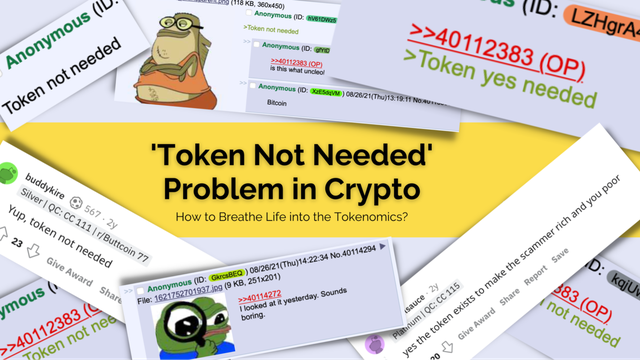
Despite having many great ideas, for a cryptocurrency project to succeed in fundraising, it must be widely promoted to the public. However, to promote widely, initial capital for this activity is needed. This is the vicious cycle that new cryptocurrency projects often face if they want to launch successfully.
Even when funds are raised, this issue may not necessarily be resolved. If cryptocurrency project developers do not create suitable use cases – for example, if they cannot find places that accept payment in this cryptocurrency – the demand for trading and holding these tokens becomes unnecessary. Therefore, it is not uncommon for some cryptocurrency projects, even though they still exist and develop to this day, to see their token values plummet with little hope of returning to past glory.
The same situation occurs in the NFT economy.
The cost of developing play-to-earn games is not small, as publishers must create their own NFTs. However, gamers are hesitant because if the game publisher does not attract a large number of players, the NFTs they hold may depreciate, leaving them stuck in that game without being able to cash out. Conversely, this makes it even harder for developers to attract new players, potentially leading to the demise of the game project, despite its attractive content and gameplay.
The IQ Protocol Solution from PARSIQ
This is the reason for the “Token Not Needed” or “Chicken or Egg” problem in the NFT economy. However, the IQ Protocol developed by PARSIQ may provide the right solution to all these problems by opening the door to a new world: NFT leasing.
Basically, IQ is an open-source, customizable protocol that allows borrowers to lease NFTs without the need to collateralize assets. All NFT leasing activities have a time limit, meaning that the lender will always get their NFT back, eliminating the risk of the borrower going bankrupt and failing to return that NFT.
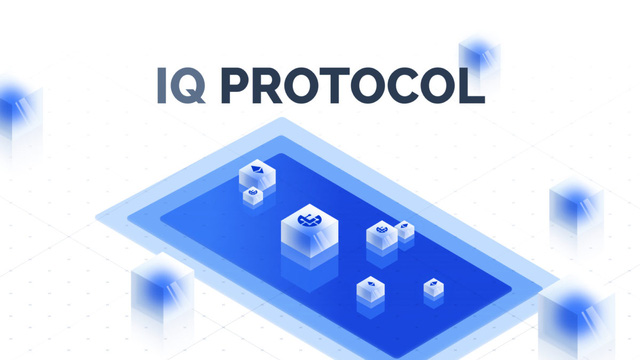
How does this protocol do that? Instead of giving the borrower the original NFT, the IQ Protocol creates a limited-time version of the original NFT to ensure that the original NFT always returns to the lender. This makes NFT leasing completely risk-free and ensures rental fees are collected. Furthermore, this solution eliminates the possibility of the borrower going bankrupt and failing to return the NFT. The terms of leasing and lending will be automatically enforced via smart contracts.
This allows play-to-earn game publishers and cryptocurrency projects with weak tokens to build a circular economy by reducing costs and the burden of developing NFTs from scratch. Additionally, NFT transaction fees are significantly reduced, as the risks of losing NFTs are completely eliminated.
Moreover, gamers also benefit from this model. For example, if a gamer has a premium weapon that they won’t use this weekend – perhaps due to a camping trip – they can rent it out for a fixed period without worrying about losing their asset.
This is just a simple example of the immense potential of the IQ Protocol and the future potential of PARSIQ, as this model can help projects and NFT holders explore an unprecedented rental market, as well as allow NFT lessors to experience new assets they do not own.
Information about cryptocurrencies, often referred to as “virtual currencies,” is not legally recognized in Vietnam. The information in this article is for reference only and does not constitute investment advice.
GameFi (short for Game + Finance) refers to blockchain games that incorporate financial elements. The information in this article is for reference only and does not constitute investment advice.
Reference: hackernoon