


In the context of the fiercely competitive F&B (food and beverage) market in China, restaurants are no longer just racing for flavor but are transforming themselves into real “performance stages”. Recently, social media platforms Douyin and TikTok were abuzz with a clip showing a lobster hotpot restaurant where female staff, humorously referred to by netizens as “Toc Toc Co” (TikTokers), performed hot dance moves right next to the diners’ tables.
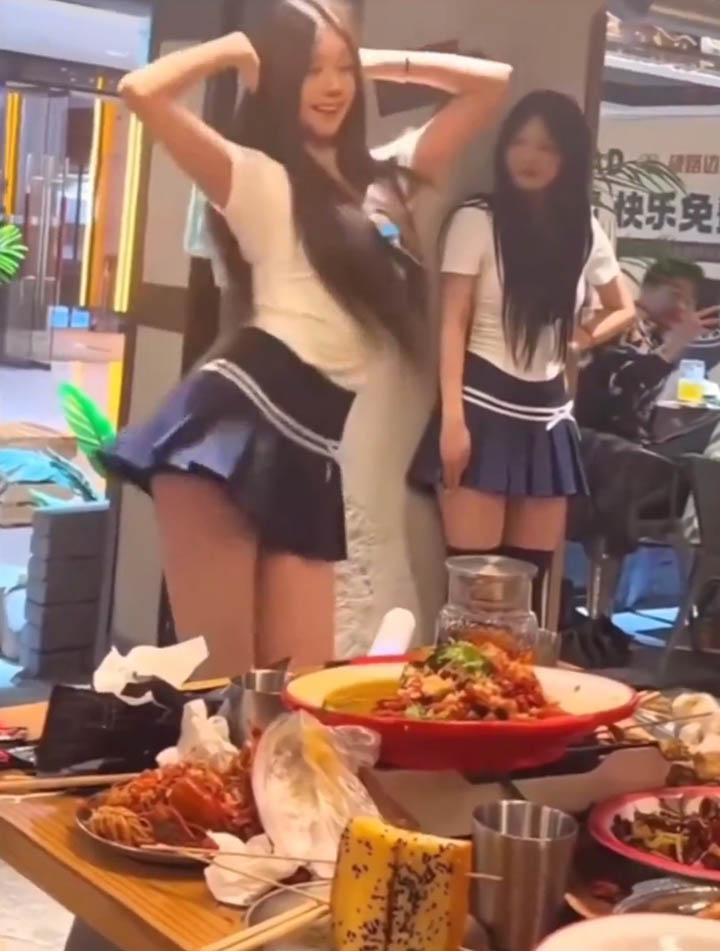
The images from the clip show two young girls in a schoolgirl style with short pleated skirts and tight-fitting t-shirts, enthusiastically dancing to lively music. Notably, the dining table in front was still cluttered with plates of lobsters and unfinished food, but the attention of the diners (and viewers through the screen) seemed to be completely focused on the performance in front of them. The graceful dance moves, combined with the girls’ bright appearances and radiant smiles, transformed the dining space into an atmosphere as lively as a bar or professional stage.
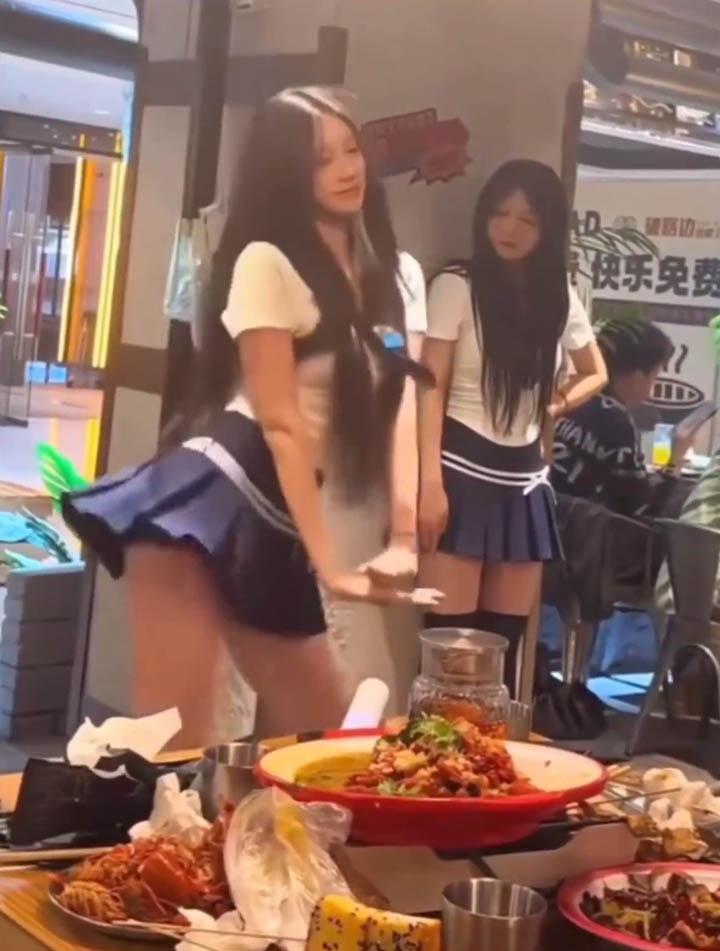
This is not the first time table dancing services have appeared. Following the craze of the “meat-cutting dance” (Kemu San) at the Haidilao hotpot chain, many other restaurants quickly imitated and upgraded this model. Instead of just fun and humorous moves from the serving staff, hotpot restaurants today are willing to hire professional dancers with attractive appearances to attract customers, especially young patrons who enjoy novelty and want “Instagrammable” content to post on social media.

However, the transformation of this style into something “overly suggestive” is stirring up a fierce wave of debate in public opinion. Many critiques argue that using girls in short skirts performing provocative moves, emphasizing their body curves in a public dining space is a lack of sophistication, if not outright inappropriate.
The overuse of suggestive elements to attract customers indicates a distortion in business thinking. Rather than focusing on the quality of food or professional customer service, restaurant owners are turning women into tools for attracting customers. This style unintentionally creates an unhealthy dining environment, making diners, especially families with children, feel uncomfortable. Many people are questioning: “Are we going to eat hotpot to enjoy the cuisine or to watch stimulating performances?”.
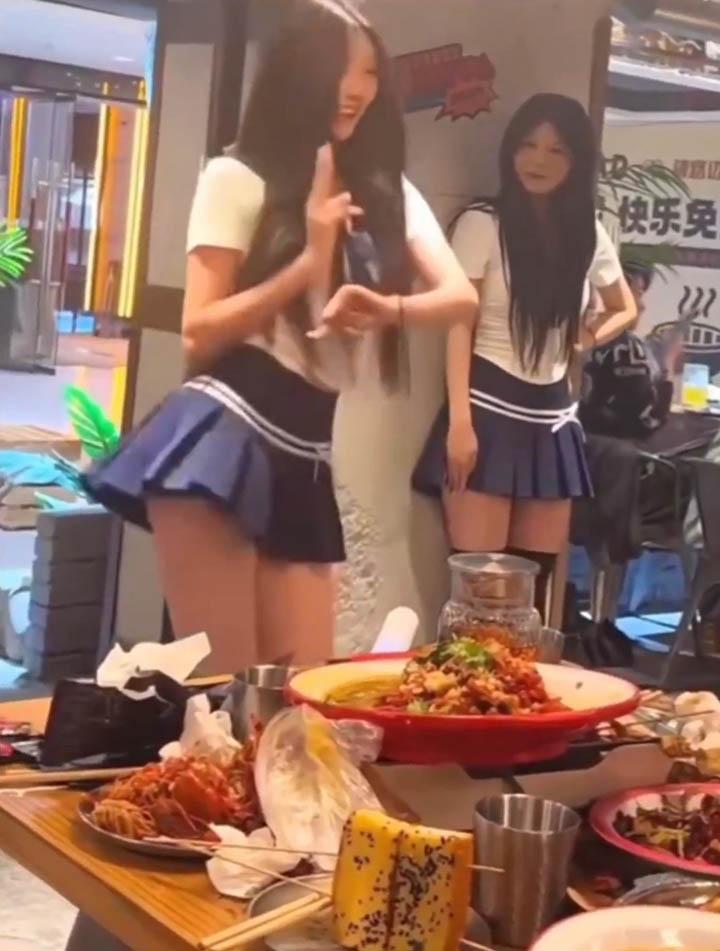
This controversy reflects a concerning reality about the “objectification” of women in viral marketing campaigns. When the line between healthy entertainment and suggestiveness becomes blurred, the cultural value of gastronomy is also pulled down. The temporary applause from male customers or likes on social media may bring short-term revenue, but in the long run, it could ruin the brand’s reputation and set a bad precedent for the service industry.
In conclusion, innovation for survival is necessary, but “uniqueness” should not come with “vulgarity”. A truly classy hotpot restaurant should be a place where diners find warmth and deliciousness, not a venue for “Toc Toc Co” to dance and obscure the core values that are gradually being eroded.