


The iPhone 12 is likely to be the next generation of iPhones to be announced at the end of this year. There are many rumors that this iPhone will bring back the design value that was once seen in the iPhone 4. At this point, many will remember the early days of June exactly 10 years ago, when a phone was released that completely changed the history and design language of previous iPhones. That was the iPhone 4, a phone with a screen and camera that was considered outstanding at that time.
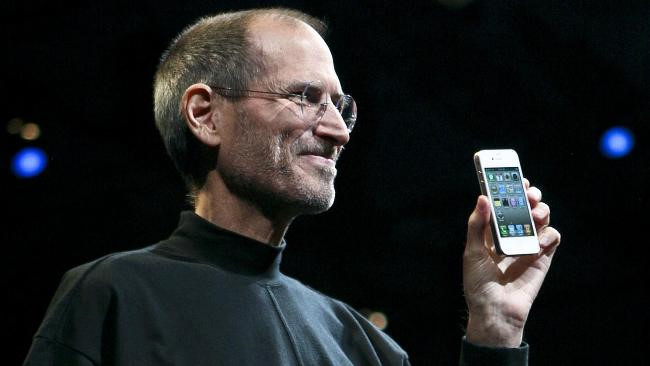
This is the undeniable peak of Apple and also created many “firsts” for the company’s subsequent mobile phone products. Previously, the back of the iPhone 3GS featured a smooth, curved design made of plastic. At that time, designer Jony Ive designed a stainless steel frame exposed for the iPhone 4, sandwiched between two pieces of tempered glass – a solution that was later adopted by most mobile phone manufacturers.
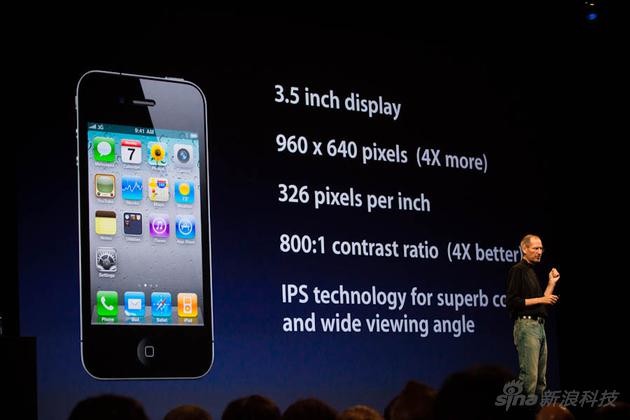
The iPhone 4 popularized the concept of “Retina display” to the world – the pixel density was significantly improved. The pixel density of the iPhone 4 reached 326ppi, higher than the standard 300ppi typically used. To achieve a pixel density of 326ppi, Apple quadrupled the resolution of the HVGA display, meaning the screen was increased from 320×480 pixels to 640×960 pixels. This simple relationship allowed the iOS 4 system to quickly upgrade existing applications and achieve high-quality display effects.
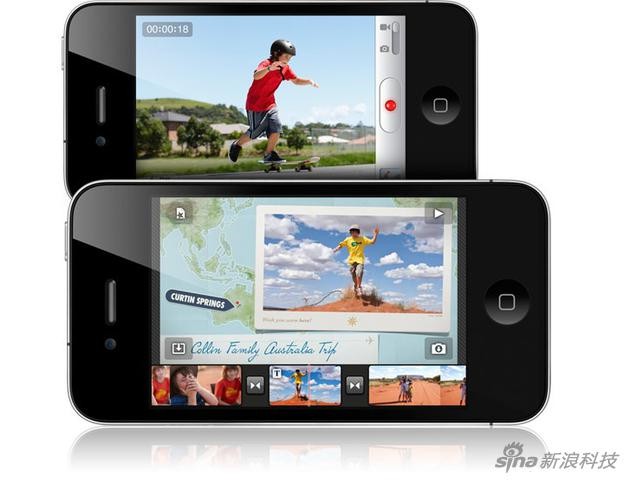
Thanks to Apple’s pursuit of image quality, the camera effect of the iPhone 4 was also significantly improved, and the quality of photos taken with the new 5-megapixel sensor was very impressive. Additionally, this was the first iPhone capable of recording HD video at 720p / 30fps. Interestingly, the iPhone 4 used stainless steel and glass on both sides. Nine years later, the iPhone 11 used similar materials. Of course, the camera of the iPhone 4 was flush with the back of the glass rather than “bulging” out as it is today.
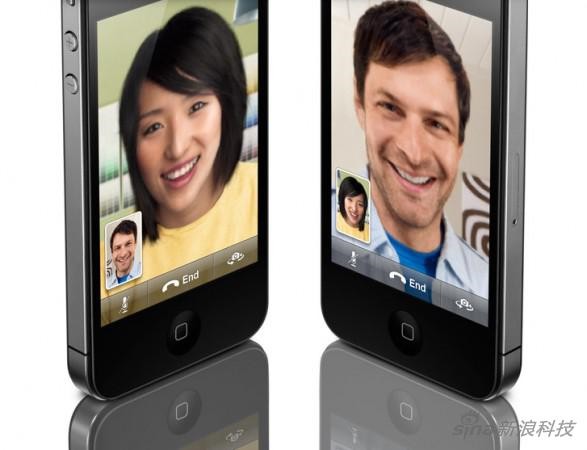
The launch of the iPhone 4 also marked a first time for Apple: it was the introduction of the front camera. Its main purpose was to enable the new FaceTime video calling feature, which was Apple’s own solution, not the standard 3G video calling at that time. Of course, this product was not perfect.
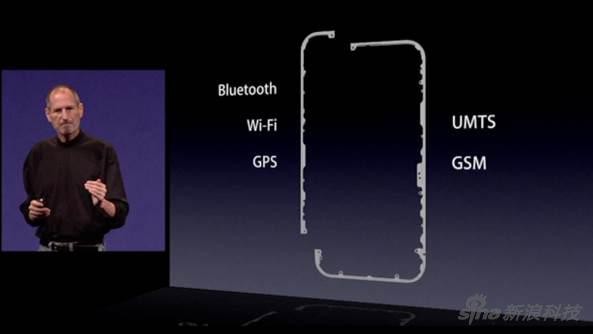
At that time, it also faced serious issues such as antenna problems. The phone’s antenna was connected to the metal frame, causing it to short circuit when held, resulting in a signal drop. This was completely resolved in the subsequent upgrade, the iPhone 4s.
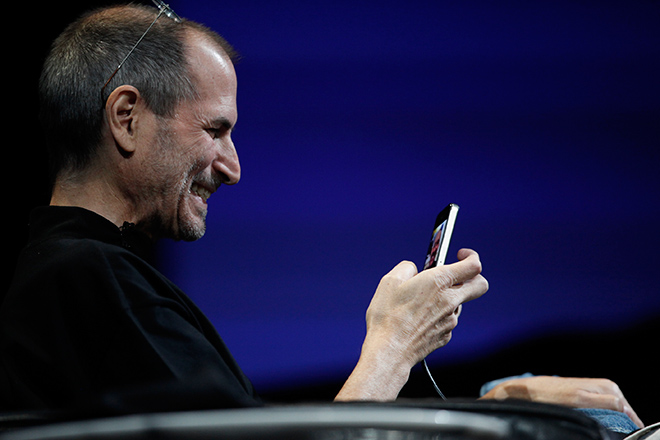
And most importantly, the iPhone 4 was also the last mobile product that Jobs personally presented on stage. In October 2011, the iPhone 4s was released. Just one day later, Jobs passed away. Therefore, many people say that the “s” in 4s is a tribute to Jobs – although this claim has no basis, people are willing to believe that it is true.