


A Death Foretold
Ultimately, what had to happen has happened. After announcing its Q1 2020 financial results, LG announced the closure of its smartphone production division.
For those who have followed LG over the years, this was not a surprising decision. Year after year, smartphones have consistently been a “red mark” in terms of losses, while other business segments bring profit to the parent company. With Apple alone dominating the high-end segment, while Samsung and Huawei continuously compete for market share, and especially as Xiaomi, OPPO, and Vivo invade the budget segment, LG’s exit from the mobile market was just a matter of time. Everyone understood that the chance for the South Korean brand to regain its former glory was 0%.
If one word had to be chosen to describe LG’s demise, the answer that many would think of first is “bootloop.” Starting in late 2015, buyers of LG’s flagship G4 began complaining about the device continuously rebooting. While Chinese competitors like Xiaomi and Huawei were entering a boom phase, a basic flaw (due to “poor contact components”) in a premium device created an indelible stain on LG smartphones.
Worse yet, this flaw continued to appear in other flagship LG smartphones: G5, V10, V20, and Nexus 5X. By early 2017, users in the U.S. initiated a class action lawsuit. LG lost the case and was forced to compensate $425 in cash for each plaintiff. By the end of that year, LG itself dashed all hopes of revival when it encountered a screen issue with the V30 and the Pixel 2 XL produced for Google.
A Name Associated with Innovation
But before sinking into the bootloop disaster, LG was once a beloved name. In the early years of its association with Android, the South Korean company chose to start with affordable products. When venturing into the high-end segment, LG displayed a vision somewhat ahead of its time: bluntly opting for a phablet size (5.5 inches) for the Optimus G instead of launching both a “regular” flagship and a large flagship like many contemporaneous brands.
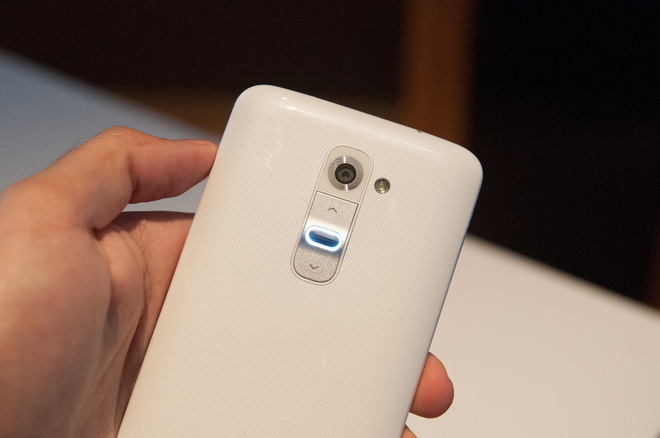
With the G2, LG pioneered another important innovation: narrowing the bezel to an ultra-small size, allowing users to enjoy a 5.5-inch screen in a body not much different from conventional smartphones. Notably, along with this decision, LG moved the power button and volume buttons to the back of the device, paving the way for a design still used by many brands today (placing the fingerprint sensor on the back).
In the same year, LG launched the first curved screen smartphone – G Flex. The curved screen technology at that time was still new and later became the foundation for the G4, a unique phone with a faux leather back cover. Not stopping there, LG followed up the G4 with the V10, a phone featuring a unique “strip” display at the top to show notifications and shortcuts.
A Corner of Android
As you can see, before the bootloop disaster ruined everything, LG was once a brand representing a special creativity. LG dared to launch many “one-of-a-kind” phones with special features that aroused users’ curiosity. LG dared to take controversial steps, such as curved screens or buttons on the back of the phone.
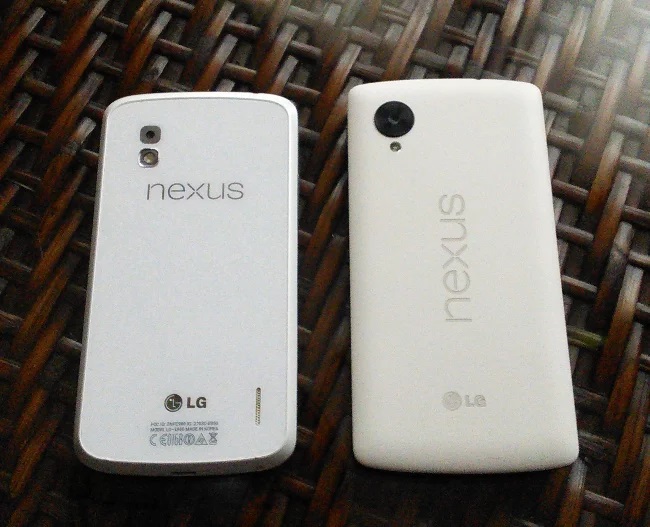
But for die-hard fans of the green robot, the most important LG phones were actually the least innovative phones. In fact, they didn’t even carry the LG brand: for two consecutive years, LG was the production partner for Google’s Nexus.
So, why were these phones so beloved? The simple answer is that they were very affordable. At just $300, the Nexus 4 still boasted flagship-level performance from the Snapdragon S4 Pro chip. The Nexus 5 was only $50 more expensive but equipped with the Snapdragon 800. At half the price of a Galaxy S/Note or Xperia, these two Nexus devices were a crucial part of the “flagship killer” trend, allowing budget-conscious users to access top-tier performance.
And, let’s not forget that Nexus offered the Google Android experience, controlled by Google. In an era when the performance and experience of Android ROMs were frustrating for users, LG became an essential part of Android by… not messing with Android at all.
Final Regrets
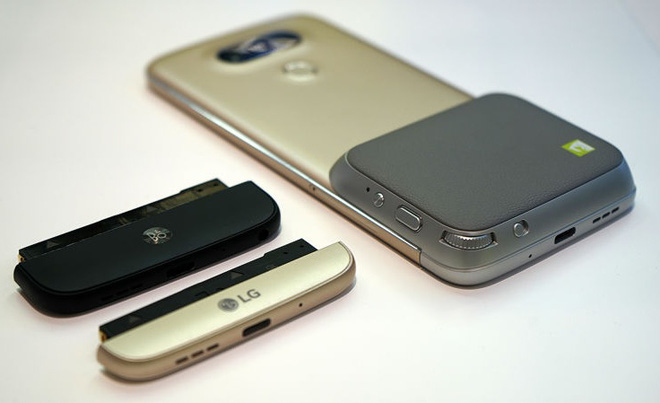
If it weren’t for the bootloop, the fate of LG devices could have been very different. In early 2016, the LG G5 was launched and became the perfect symbol of the creativity of the South Korean manufacturer: this was the first widely released modular smartphone, surpassing even Google’s Project Ara. Unfortunately, LG’s reputation was completely ruined. Few wanted to try a completely new type of smartphone from a manufacturer that could not guarantee quality for consumers.
The high price of the Nexus 5X, along with persistent bootloop issues, gradually pushed LG’s market share into oblivion. LG’s relationship with Google officially ended when only the Pixel 2 XL (produced by LG) encountered issues, while the Pixel 2 (produced by HTC) did not. It is also worth noting that Pixel marked a new phase in Google’s vision: unlike Nexus, which provided the most original and “common” Android experience, Pixel offered Google’s own Android experience, not shared with anyone else. And Pixel was not cheap either. Combining the high price with ridiculous screen issues, the Pixel 2 XL was perhaps the last LG smartphone that users paid attention to, and not in a positive way.
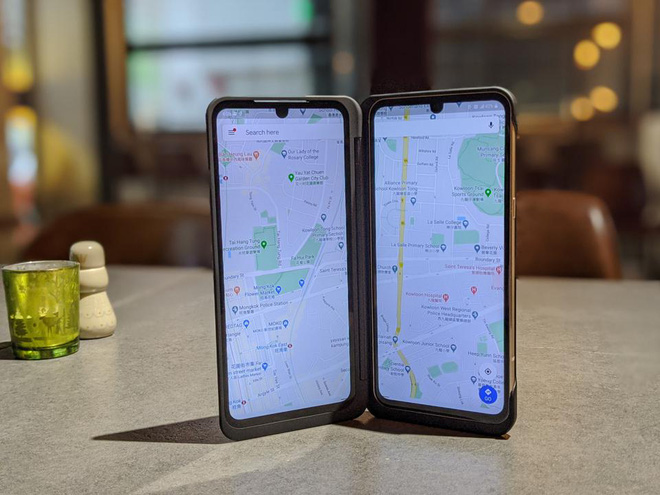
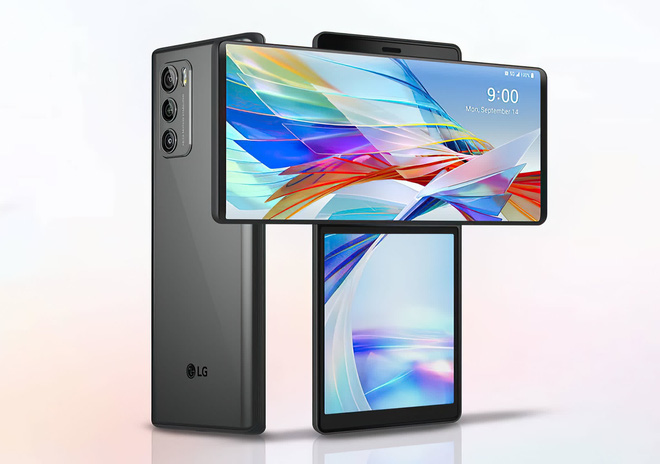
Therefore, few recognize that LG has continued to tirelessly create “one-of-a-kind” phones. The V50, V60, and LG G8X were equipped with accessories to extend the experience to two screens. The LG Wing introduced an Android experience on a display space shaped like a T.
Remaining Memories
If it had launched 7 or 8 years earlier, the fate of the Wing might have been different. Back then, LG was still a beloved brand for helping to “democratize” the premium smartphone experience. At that time, smartphones were still somewhat a novel world, where users were willing to accept unusual innovations, and manufacturers were eager to bring fresh ideas to the table.
Unfortunately, the smartphone world of 2020 has changed significantly. The “flagship killer” trend has long since ended. Aside from foldable screens, manufacturers have not dared to propose new ideas for a long time. The smartphone war is a battle between Apple, Samsung, and Chinese manufacturers. In this battle, the survivors must either have meticulously crafted value or be affordably priced to compete. LG had neither. The death of LG smartphones, as we have always known, was an inevitable demise. Soon, the market will be completely devoid of the unusual smartphones from South Korea’s second-largest brand.
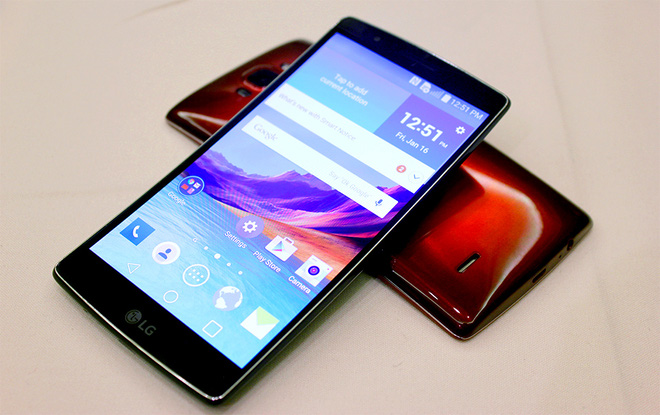
But an end does not mean forgetting. At the very least, LG will always hold an important part in the minds of those who loved and followed the growth of Android. Farewell to LG-branded smartphones, and thank you for those memories.