


It can be said that the iPhone 12 Mini is the most evident failure of Apple in recent years. After a few months on sale, the sales of this small iPhone model plummeted to a level where market research firms predicted that Apple would soon discontinue the Mini. Although this somewhat pessimistic prediction has not yet come true, all available statistical information indicates that the iPhone 12 Mini did not achieve the desired sales: according to Counterpoint, the market share of the iPhone 12 Mini in January was only a fraction of the other iPhone 12 models and even failed to surpass the quite outdated iPhone 11.
So, what caused the failure of the iPhone 12 Mini?
Misconceptions about iPhone Users
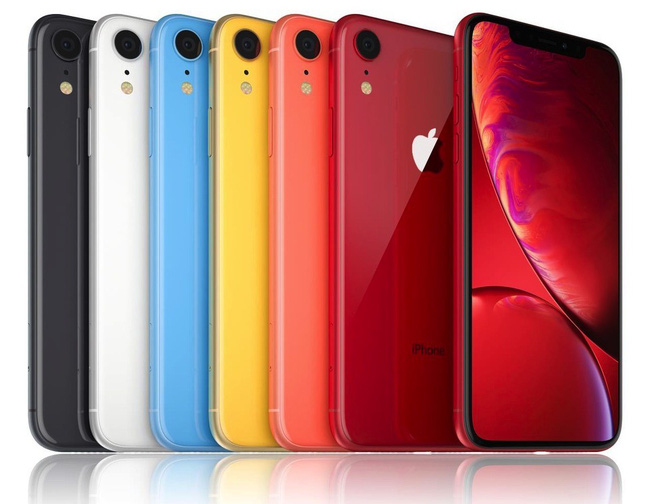
Let’s address two commonly held beliefs to explain the failure of the iPhone 12 Mini: that iPhone users only love expensive versions and they no longer prefer small screens. Both are completely incorrect assumptions.
First: do iFans only prefer expensive iPhones like the 12 Pro Max? Not necessarily. Since its debut with the XS Max, none of Apple’s three “Max” size phones have ever claimed the top spot in sales. Throughout their lifespans, the XS Max was always beaten by the XR, the 11 Pro Max was always outperformed by the regular 11, and of course, the 12 Pro Max fell to the iPhone 12. For the past three years, the title of the best-selling iPhone (and also the best-selling smartphone) has consistently belonged to the more affordable “regular” iPhone versions. This shows that the price segment most chosen by iFans is the $700 – $800 range rather than the thousand-dollar expensive range of the iPhone 12 Pro/Pro Max.
Next, is the small smartphone era over? The answer is still no. From its launch up until just before the iPhone 12 was released, Apple’s 4.7-inch iPhone SE consistently ranked among the top 10 best-selling smartphones globally. In fact, according to Canalys data, in Q3 2020, the iPhone SE was the second best-selling smartphone in the world, only behind the iPhone 11.
What Caused the Failure of the iPhone 12 Mini?
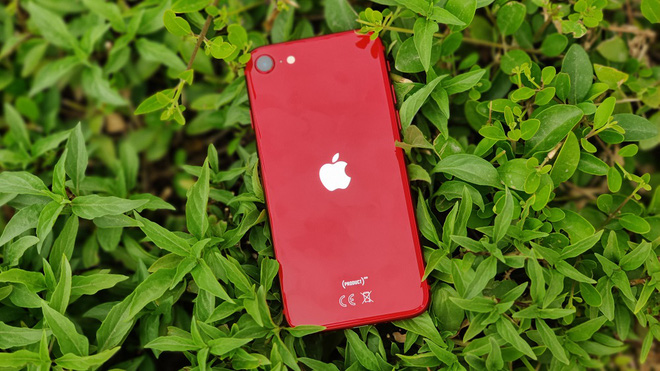
Reading this, you may have realized why the iPhone 12 Mini failed. Just six months before this small iPhone was launched, Apple had an extremely successful small smartphone: the iPhone SE. Priced at just $400, the iPhone SE has a configuration comparable to the iPhone 11. More importantly, the iPhone SE also meets the most important requirement many would look for in the iPhone 12 Mini: compact size, with a screen size of only 4.7 inches. It can be confidently stated that many iFans who had waited for years for a compact smartphone with strong performance immediately chose the iPhone SE when Apple unveiled this smartphone at a price half that of the regular iPhone 11.
In other words, when the iPhone 12 Mini launched, the potential customer base targeted by this smartphone had almost been completely absorbed by the iPhone SE. The iPhone 12 Mini has a more powerful configuration than the iPhone SE, but the one-year-old configuration of the iPhone SE is still sufficient to run any application smoothly (and can still outperform the most powerful Android devices). The iPhone 12 Mini has a “notch” screen instead of the outdated 16:9 screen of the SE, but that advantage may not mean much when both screens are… small.
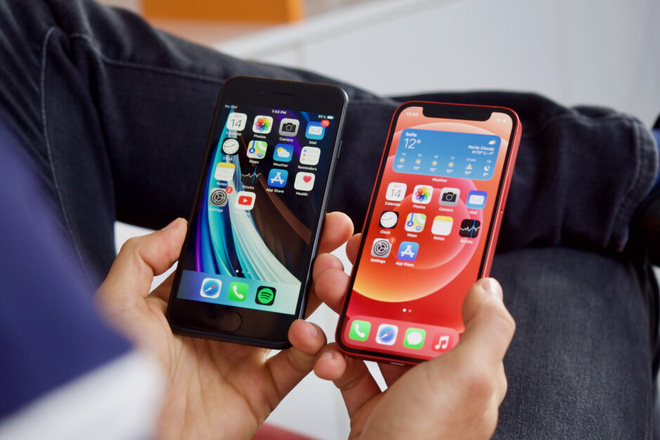
The nearly double price ($700) for a not significantly different performance and screen is why many people wouldn’t give up the iPhone SE for the 12 Mini. But most importantly, the time gap between the iPhone SE and the iPhone 12 Mini is only 6 months – too short for any iFan to consider an upgrade.
Calculated Mistake?
Clearly, the iPhone 12 Mini is a product that should not have been launched when Apple had the highly successful iPhone SE. Why did Tim Cook, the savvy veteran of the tech world, make such a fundamental mistake?
The answer may be that Tim Cook didn’t make a mistake at all. Perhaps Tim Cook anticipated that consumers would choose the iPhone 12 instead of paying attention to the iPhone 12 Mini. By launching the iPhone 12 Mini at a price of $700, Cook had a reason to push the regular iPhone 12 up to $800. In this way, the savvy CEO of Apple could add $100 to the best-selling iPhone in the Apple lineup.
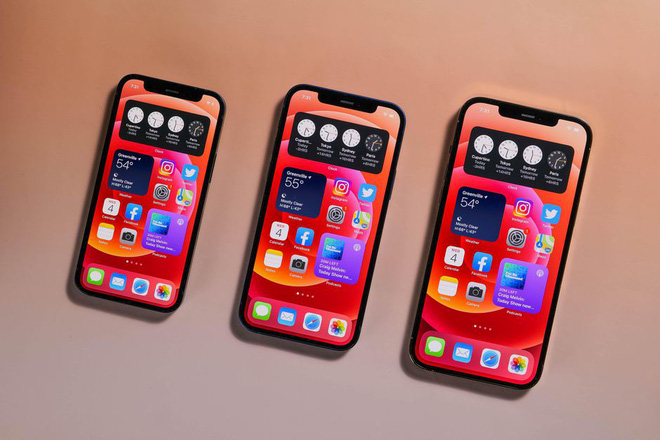
Indeed, the “failure” of the iPhone 12 Mini did not affect Apple at all. In fact, Q4 2020 saw Apple’s revenue reach record levels. Tim Cook left no reason for iFans to buy the iPhone 12 Mini, and when they upgraded to more expensive iPhones during the holiday shopping season, they brought enormous profits to Apple!