


They are the professional overclockers, and because Windows 7 is lightweight and less “bulky,” it helps achieve higher benchmark scores compared to later versions of Windows. More specifically, one overclocker noted that they care more about performance than security issues, making Windows 7 still the optimal choice.
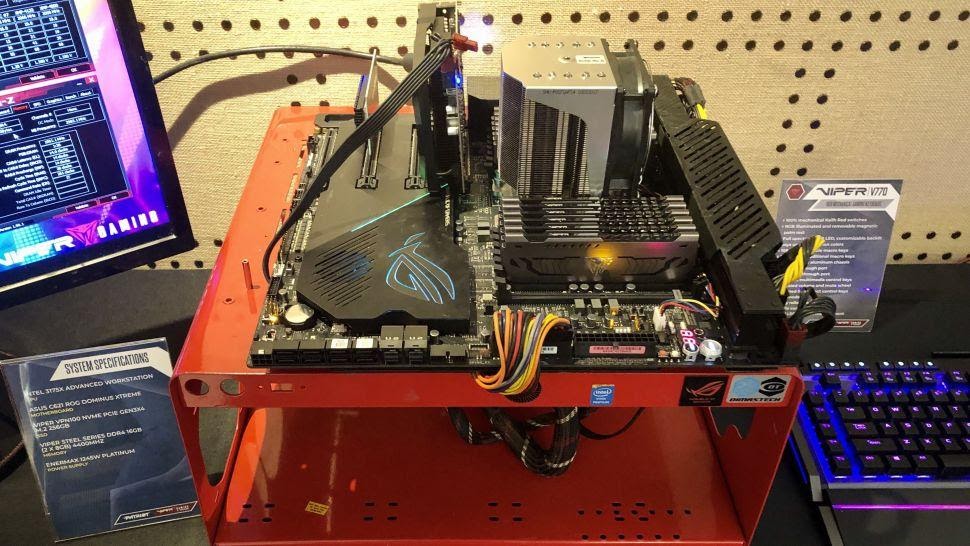
Additionally, because it has existed for a decade, many people have found ways to maximize the power of this operating system. It also lacks pre-installed software (bloatware), like Cortana, and doesn’t have unexpected Windows updates like Windows 10.
Benchmark software usually runs best on the platform it was designed for. In fact, some benchmark software like PCMark Vantage and PCMark 05 PC cannot run stably on the latest Windows versions. Moreover, 32-bit benchmark software tends to “mesh” better with older Windows versions than with the later ones.
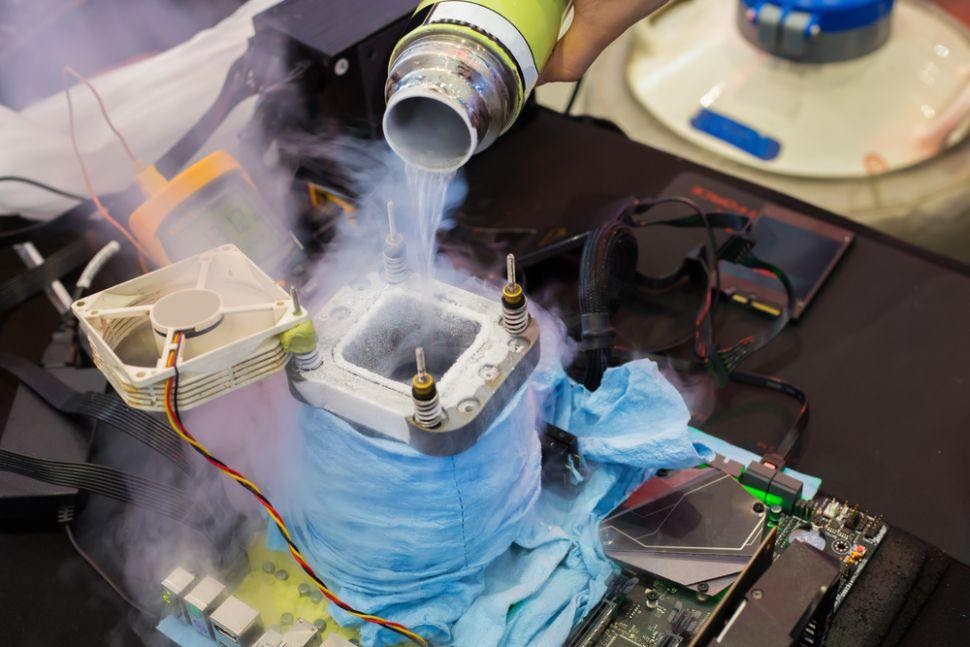
Interestingly, the overclocking community still uses Windows XP (released in 2001), despite it being discontinued in 2014, to run benchmark software like wPrime and SuperPi -32M. Many overclockers have gone to great lengths to get Windows XP running on today’s hardware. This is also their “secret weapon” for achieving high benchmark scores.
According to Gearvn