


Nowadays, whenever the life of the Qing royal family is mentioned, many people immediately recall the notoriously extravagant lifestyle of that era.
The truth about the expensive and elaborate meals of the Manchu emperors below is the clearest evidence of this.
Only having 2 main meals a day, the Qing emperor still spent thousands of taels of silver on food
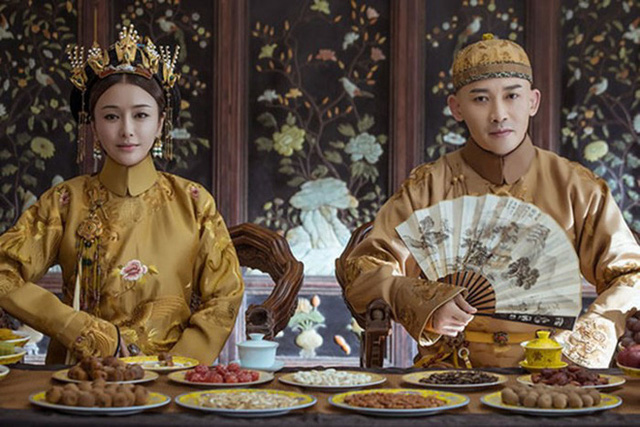
It is not hard to see that, whether in historical records or on television dramas, emperors are always depicted as figures sitting on mountains of gold and silver, naturally enjoying gourmet delicacies every day. The Qing emperors were no exception.
In the memoir “My First Half of Life,” the last Qing emperor, Puyi, revealed an incredible truth: When he was still on the throne, the amount spent on food for himself alone was basically 14,794 taels of silver each year, not counting the cost of fruits or snacks.
If we only look at this figure in isolation, it is hard for people today to imagine the level of extravagance back then.
However, it should be noted that even at the peak of the prosperous Qing dynasty under Emperor Qianlong, the average income of ordinary citizens only fluctuated between 2 to 3 taels of silver per month.
The discrepancy between these figures is enough to illustrate the extravagant and costly dining habits of the Qing royal family.
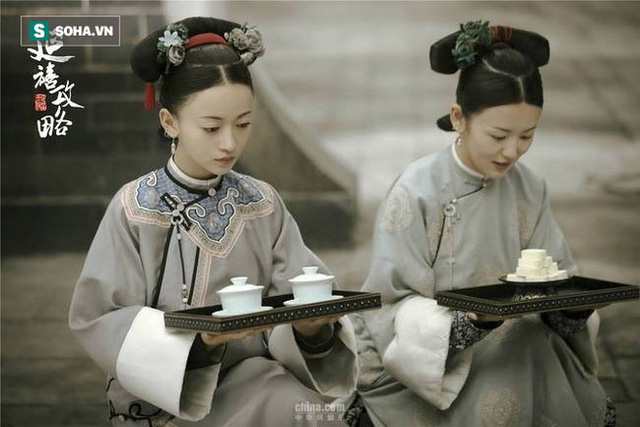
In the past, the Qing royal family was of Manchu descent from the Northeast. After entering the capital, their dining customs remained consistent with traditions passed down from their ancestors.
This is why the Qing emperors only had two main meals each day. Breakfast would take place between 6 AM and 8 AM, while lunch would be served between 12 PM and 2 PM.
After breakfast, the emperor would have a light snack, but the timing for this was not fixed.
If the emperor suddenly craved something, the Imperial Kitchen would have to prepare it immediately. Thus, the palace chefs were always on standby.
The truth behind the exorbitant meals of the Qing dynasty: Where is the waste and extravagance?
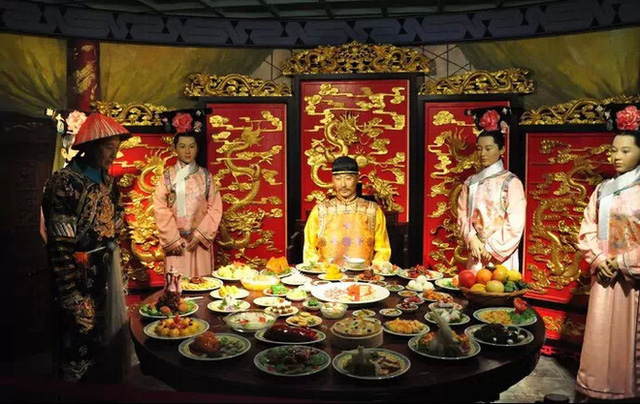
However, for the Qing emperors specifically, what they valued most was not the taste or the rarity of the dishes but rather the safety. The process of testing for poison for the emperor before each meal was indeed a meticulous and costly one.
According to the family rules passed down since the founding of the nation, the Qing emperors would only have 4 palace attendants serving them during meals. Among them, an elderly eunuch would be responsible for serving the emperor.
Before the Son of Heaven dined, this eunuch would have to taste all the dishes, and then personally sample them to verify them before presenting them for the emperor’s enjoyment.
The number of dishes for the emperor’s meal was also strictly regulated. A typical meal would consist of at least 8 main dishes along with various types of porridge. The total number of items in each meal could reach over twenty.
Although some of these dishes might be given to the harem, the majority of the gourmet delicacies in the emperor’s meal would ultimately go to waste.
This is because the Manchu royal family had family rules: the emperor was strictly forbidden from eating more than 3 bites of each dish. This rule was established to prevent the preferences of the Son of Heaven from being disclosed, thereby preventing any ill-intentioned individuals.
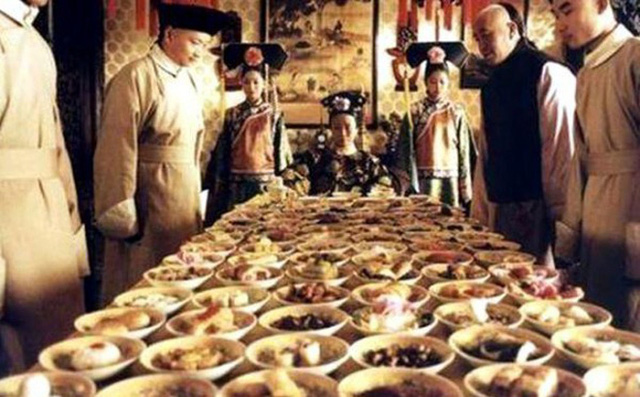
Among those in power during the Manchu Qing dynasty, the person who had the most extravagant and wasteful dining habits was Empress Dowager Cixi.
During her lifetime, Cixi even established a special kitchen called the Shouqian Room specifically for preparing meals for herself. According to Qulishi, the Empress Dowager’s private kitchen had a total of 54 kitchens, each equipped with a specialized chef.
With such a large number of chefs, Cixi’s Shouqian Room could prepare over 4,000 different dishes along with more than 400 types of specialty snacks from all over the regions.
Just the cost of providing ingredients and compensating the chefs for creating these dishes consumed a significant amount of the Qing treasury.
Each meal of Cixi even surpassed the level of extravagance compared to previous emperors.
A typical meal for her could easily consist of over a hundred dishes, not to mention at least 20 types of fruits and accompanying snacks.
Furthermore, Cixi’s food was not allowed to be placed on the table but had to be personally presented by her trusted eunuch.
With a temperamental figure like Cixi, many dishes were even given just a glance without being touched, yet they still had to be discarded.
From the evidence above, it can be said that the standards and costs for meals in the Qing royal family were indeed so elaborate and extravagant that they leave future generations shaking their heads in disbelief.
*According to Qulishi’s perspective.