


Virus Research Institute
China has established a laboratory named the Wuhan Institute of Virology Wuhan in the capital of Hubei province. The institute has been operational since 2017, equipped with the most advanced modern facilities. It is one of the few publicly known facilities that research and handle the most dangerous viruses, including Ebola and SARS.
The theories suggest that since the Wuhan Institute of Virology is only about 32 km away from the South China Seafood Market, there is a strong possibility of a connection between the mysterious emergence of the corona virus and this laboratory.
Currently, the scientific community believes that the virus mutated and infected humans through contact between people and animals at the market. Up to this point, “there is no specific evidence” to suggest that the biological laboratory in Wuhan is the source of the epidemic crisis in China.
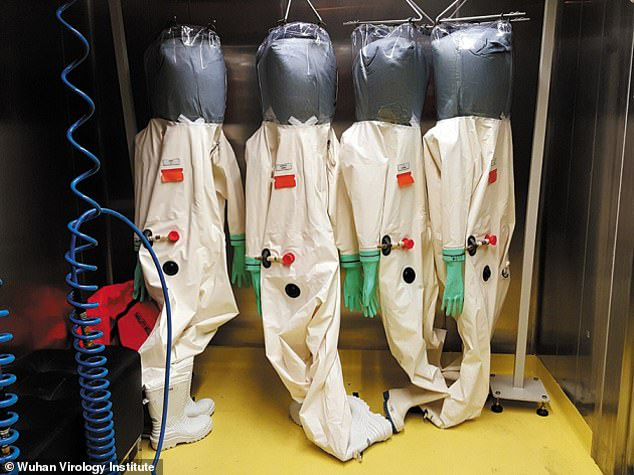
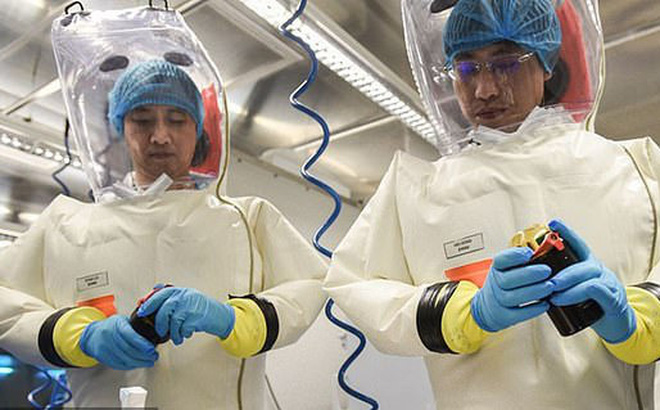
According to Daily Mail, the research institute in Wuhan is designed to meet BSL-4 standards – the highest level of biosafety. Accordingly, BSL-4 laboratories must be equipped with airtight protective suits, have special working spaces to “contain” viruses and bacteria that can be transmitted through the air, and scientists must also use high-quality gloves when working in this environment.
Currently, there are only 54 laboratories worldwide that meet BSL-4 standards. When opened in 2017, the Wuhan Institute of Virology began projects with viruses at the BSL-3 level, including the Crimean-Congo hemorrhagic fever virus or SARS virus, with a mortality rate of 10-40% for those infected.
In January 2018, the laboratory began researching BSL-4 virus strains. No one knows the exact location of the laboratory, and most of the research programs are not publicly disclosed.
Secret Weapons Program?
Dany Shoham, a former Israeli military intelligence expert who studied China’s biological warfare, stated that this institute could be related to China’s secret bioweapons program.
“Certain laboratories within the institute may be linked to China’s bioweapons program. Research on bioweapons is part of the research for civilian-military purposes and is certainly very secretive.”
Dr. Shoham holds a doctorate in medical microbiology. From 1970 to 1991, he was a senior analyst for Israeli military intelligence on chemical and biological warfare in the Middle East and globally.
China has consistently denied having a bioweapons program. However, in a report last year, the U.S. State Department expressed doubts about China’s involvement in developing a biological warfare program.
“Information indicates that China has activities related to biological research programs. This raises concerns about China’s compliance with the Biological Weapons Convention (BWC),” the report stated.
Furthermore, the Chinese government has yet to identify the source of the new corona virus strain that has recently caused many fatalities.
The Wuhan Institute of Virology has previously researched corona viruses, including strains similar to SARS, H5N1, Japanese encephalitis, and dengue fever.
“Corona Virus (especially SARS) has been studied at this institute and may be stored there. It is unclear whether SARS is part of China’s bioweapons program, but it is certainly possible,” he said.
Mr. Shoham noted that many suspicions arose when the Wuhan Institute of Virology received numerous virus samples from Chinese researchers working in Canada.
Among the viruses sent back were some of the world’s most dangerous viruses, including Ebola. Additionally, Mr. Shoham stated that some laboratories within the Wuhan Institute of Virology “are related to the PLA military and the biological weapons programs of the Chinese Ministry of Defense.”