


Many scientists believe that the coronavirus in Wuhan may have originated from a species of snake. However, infectious disease experts argue that the main “culprit” is likely to be bats.
Dr. Peter Daszak, president of EcoHealth Alliance – a non-profit environmental health organization, stated: “When looking at the genetic structure of the virus and matching it with all known strains of coronaviruses, its closest relatives come from bats.”
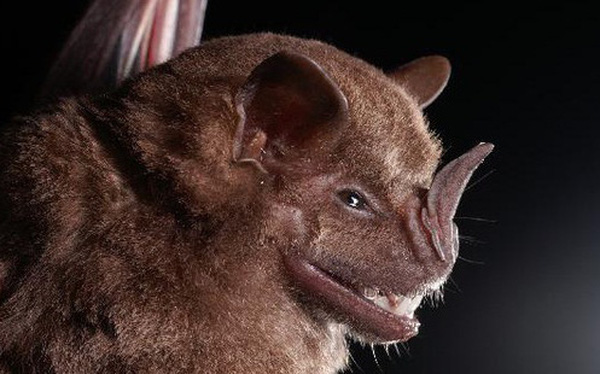
In a study published in the medical journal Lancet, Professor Guizhen Wu at the Chinese Center for Disease Control and Prevention indicated that the data they have collected so far suggest that the coronavirus in Wuhan originated from bats.
Historically, bats have always been regarded by the scientific community as biological villains.
According to CNN, this creature is a “reservoir” for many different deadly viruses such as Marburg, Nipah, and Hendra – strains that have caused diseases in humans and outbreaks in Uganda, Malaysia, Bangladesh, and Australia. Bats are also natural hosts for the Ebola virus, rabies, SARS, and MERS. Among these, SARS and MERS are two coronaviruses similar to the pneumonia virus currently ravaging Wuhan, China.

Typically, there are other intermediate species involved in the virus transmission process, such as civets in the case of the SARS virus in 2003 and camels in the case of the MERS virus in 2012.
Nipah virus is a type of virus that can cause a range of severe symptoms, particularly encephalitis leading to death. Upon investigation, researchers found that this virus originated from the sap of palm trees contaminated by the urine or saliva of bats. Bats often roost on trees where locals set up equipment to harvest the sap.
Dr. Stathis Giotis, a virologist at the Department of Infectious Diseases at the Royal London Hospital, said: “Scientists studying viruses in bats are not surprised that the new coronavirus strain is related to bats. Bats are important ‘reservoirs’ for the emergence and outbreak of viruses capable of transmitting from animals to humans.”
Mr. Giotis believes that the common horseshoe bats in China could be the culprits in this outbreak.
The bats’ strange abilities
Bats are a large group of creatures with over 1,300 species, second only to rodents in the mammal branch. Bats are distributed everywhere except Antarctica. Compared to other land animals, bats have a longer lifespan and live in colonies that can number up to millions in caves. This means bats can be infected with many types of viruses and easily transmit them to each other.
Although they carry many dangerous viruses, bats do not seem to be significantly affected by them. The most dangerous virus to bats is the rabies virus.

One hypothesis suggests that the ability to fly has allowed bats to develop biological mechanisms that help them fight off viruses. The act of flying boosts metabolic processes and increases the body temperature of bats – similar to a fever in humans and other mammals. Scientists believe that from an evolutionary perspective, this mechanism helps strengthen the immune system and enables bats to better resist viruses. They are also the only mammals capable of flight.
Mr. Giotis said: “The current hypothesis suggests that bats’ immune systems have adapted and evolved over hundreds of years due to their aerial lifestyle. Furthermore, this species’ genome also exhibits peculiar differences. They still have immune and antivirus components like other species, but some inflammatory genes or specific antivirus mechanisms have been altered or lost.”
Of course, bats are not the only creatures carrying diseases that can be transmitted from animals to humans. Previously, plagues have spread due to rodents, and HIV is believed to have originated from chimpanzees.
In a 2017 study, scientists reported that bats harbor more dangerous viruses than other organisms. A group of scientists, including Mr. Daszak, researched 188 types of viruses that can transmit from animals to humans and concluded that the number of viruses in bats constitutes a “much higher” proportion than in other mammals.
Deforestation and urbanization – particularly in densely populated areas like China – are putting bats and other creatures at greater risk of contact with humans and increasing the potential for disease transmission.
Did the Wuhan virus originate from bats?
Chinese scientists have conducted thorough research on bats as they are believed to pose a high risk of causing future outbreaks.
In a study published last year, a group of experts at the Wuhan Institute of Virology speculated: “It is possible that the coronavirus in bats will re-emerge and cause new outbreaks. China will be a hotspot, and the challenge here is to predict when and how these outbreaks will occur. We must do our utmost to prevent such occurrences.”
Daszak stated that scientists have identified approximately 50 strains of coronaviruses related to SARS in bats across China. The SARS virus has been detected in residents of Yunnan Province living near caves, although they did not show any respiratory symptoms during testing.
It is still too early to confirm whether the Wuhan coronavirus originated from bats or from another intermediate species. Professor Wu indicated that data suggests the virus originated from bats, transmitted to another wild animal, and then to humans.
Additionally, the Wuhan seafood market does not sell bats, and the first case of the disease in December occurred when most bats in Wuhan were hibernating.