


Life is always filled with wonderful mysteries. In the process of evolution, many species have developed abilities that humans have always dreamed of having. In this article, we will talk about creatures that possess one such capability, which is immortality.
Immortal Jellyfish – Rejuvenation
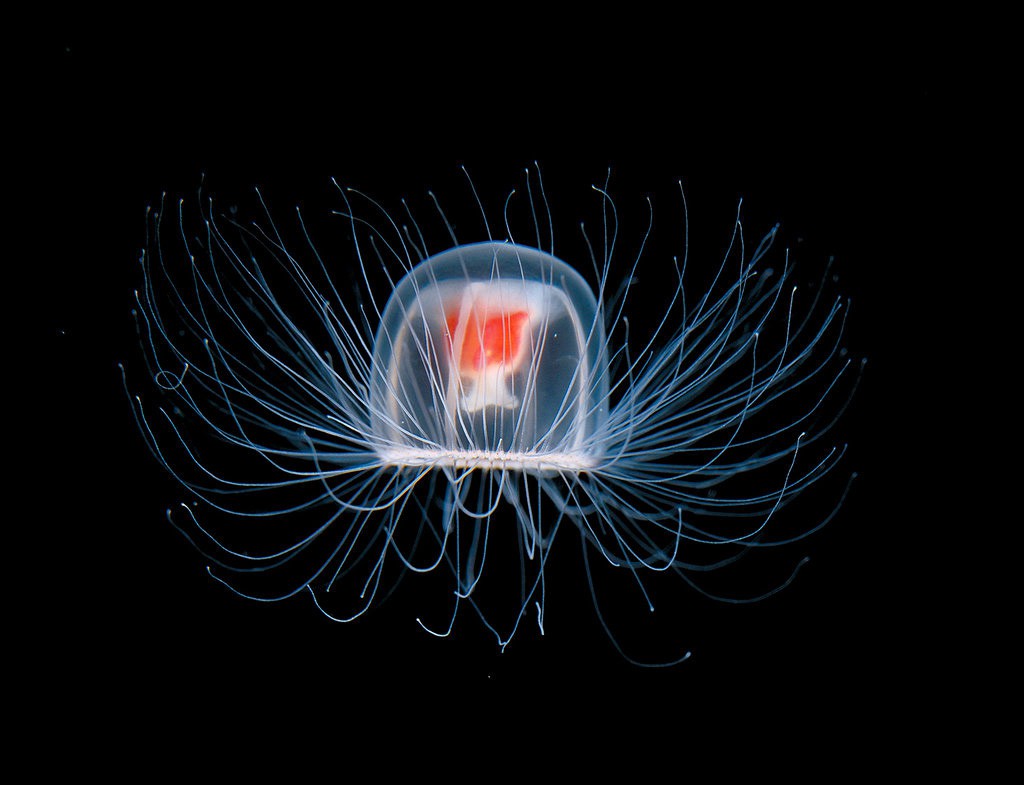
Topping the list of immortal creatures is the jellyfish, specifically the immortal jellyfish, scientifically known as Turritopsis dohrnii. They have found a solution for immortality on their evolutionary path. If an immortal jellyfish is injured, sick, or about to die, it can revert back to its polyp stage. Its cells will revert to a younger state. You can simply understand that it has the ability to “rejuvenate”, returning to its “infant” stage to live a new life. Theoretically, this loop is infinite.
Lobsters – Creatures That Cannot Age
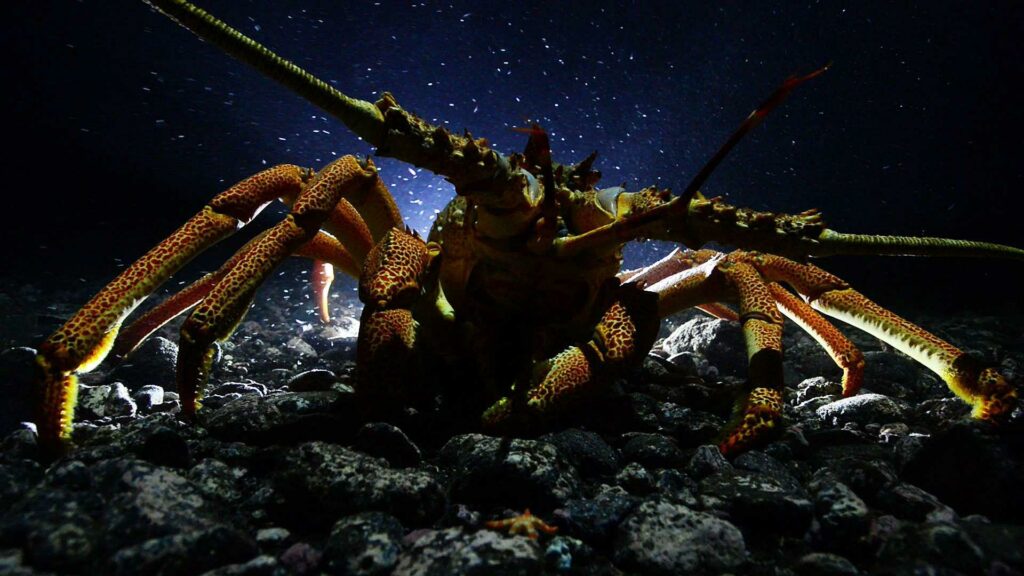
There is a debate among the scientific community about whether these red ocean dwellers are truly biologically immortal. In fact, they only die from disease and being killed, not from old age. They continuously grow and reproduce until they die. A lobster caught off the coast of Newfoundland is estimated to have lived over 140 years. Most male lobsters live up to 30 years, while female lobsters tend to live longer, averaging around 54 years.
Turtles – Challenging Time
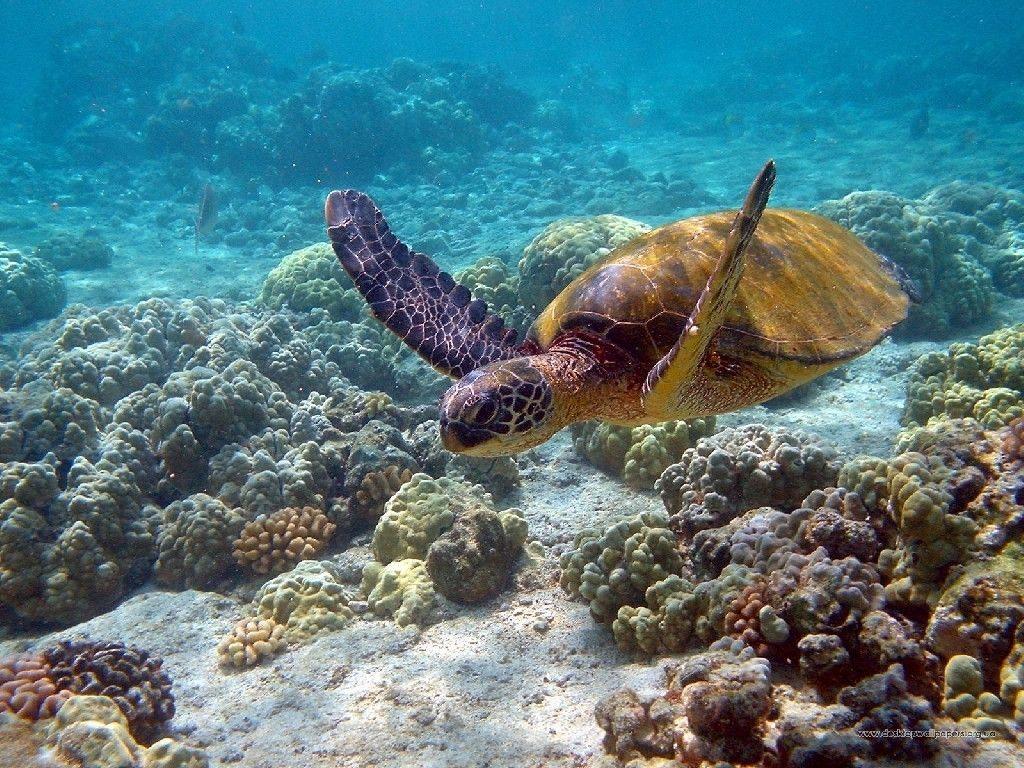
Slow and steady, turtles have applied this motto to evolve and succeed over tens of millions of years. Research has shown that time can hardly harm a turtle’s organs. According to the New York Times, turtles can even live indefinitely if they avoid predators and diseases.
Flatworms – Hack Their Lifespan
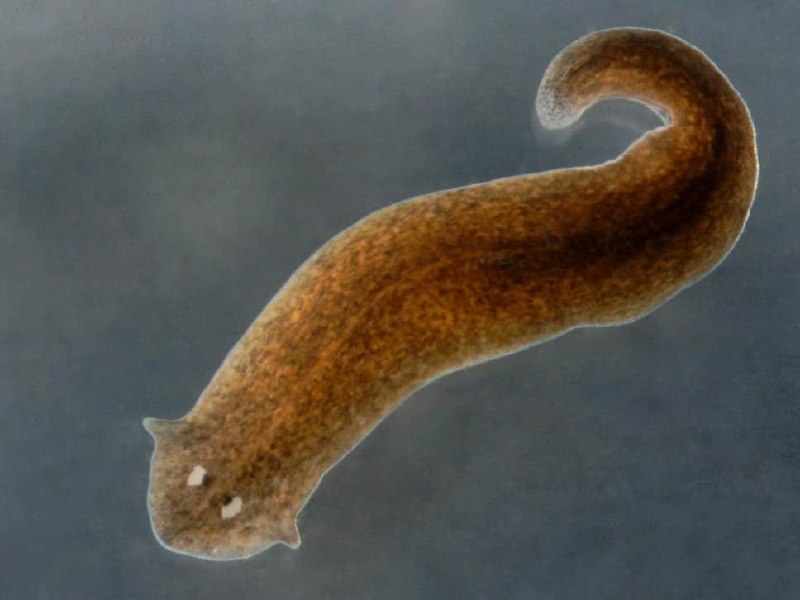
These terrifying worms are famous for their remarkable ability to regenerate. A worm cut in half can regenerate into two independent worms. According to recent research at Nottingham University, this regeneration also applies to aged and damaged tissues, allowing these tiny worms to “hack” their indefinite lifespan.
Bowhead Whales – Still Mammals, but Extremely Long-Lived
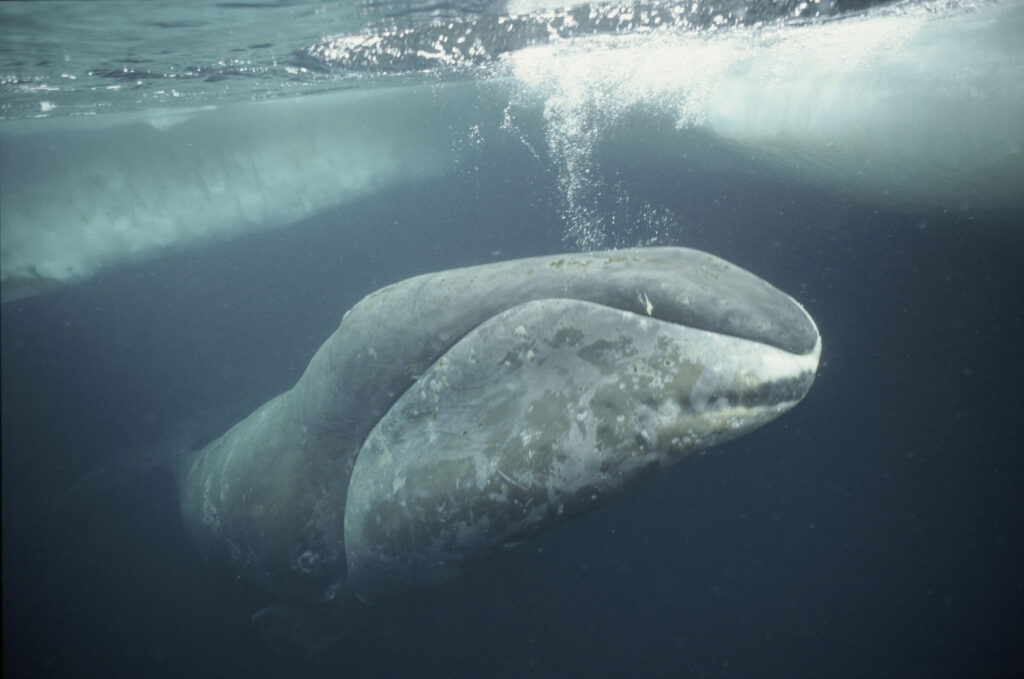
Although not biologically immortal, bowhead whales are the longest-living mammals in nature. In fact, many whale species can easily live over 70 years. In the 1990s, scientists found traces of whaling weapons from the 1800s on living whales. The oldest recorded whale in the world was found to be 211 years old. Besides their impressive lifespan, whales are also among the largest creatures on Earth.
Deinococcus radiodurans Bacteria – Super Radiation Resistant
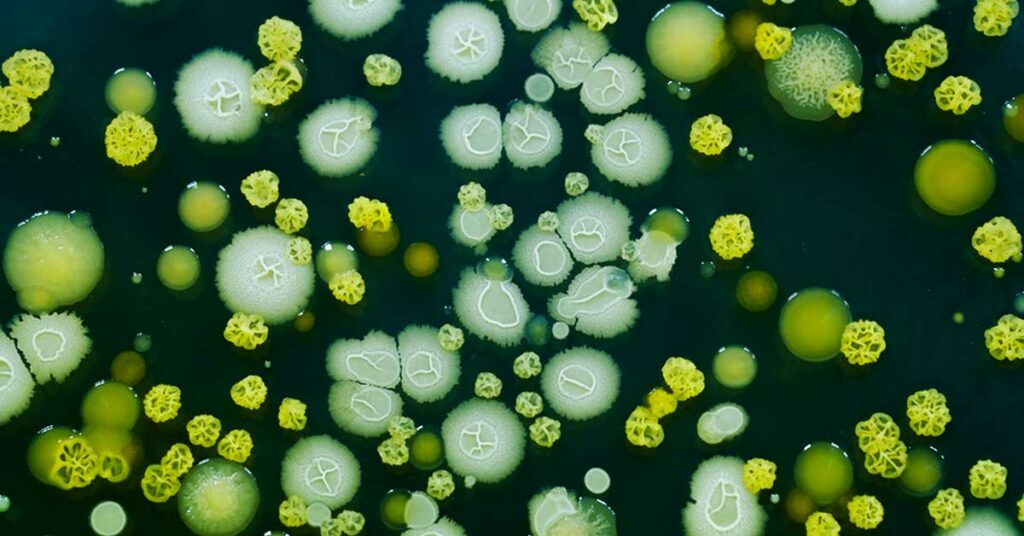
This type of bacteria is not only resistant to radiation but can also regenerate after death through their incredible DNA self-repair mechanisms. According to Ira S. Pastor, CEO of Bioquark Inc, these single-celled organisms can survive well in cold, dehydrated, vacuum, acidic conditions and are recognized as the hardest bacteria to kill in the world. Additionally, the Guinness World Records has documented that Deinococcus radiodurans can withstand radiation levels of up to 1.5 million rads, which is over 3000 times the lethal dose for humans.
Tardigrades – Are They Even Living Creatures?
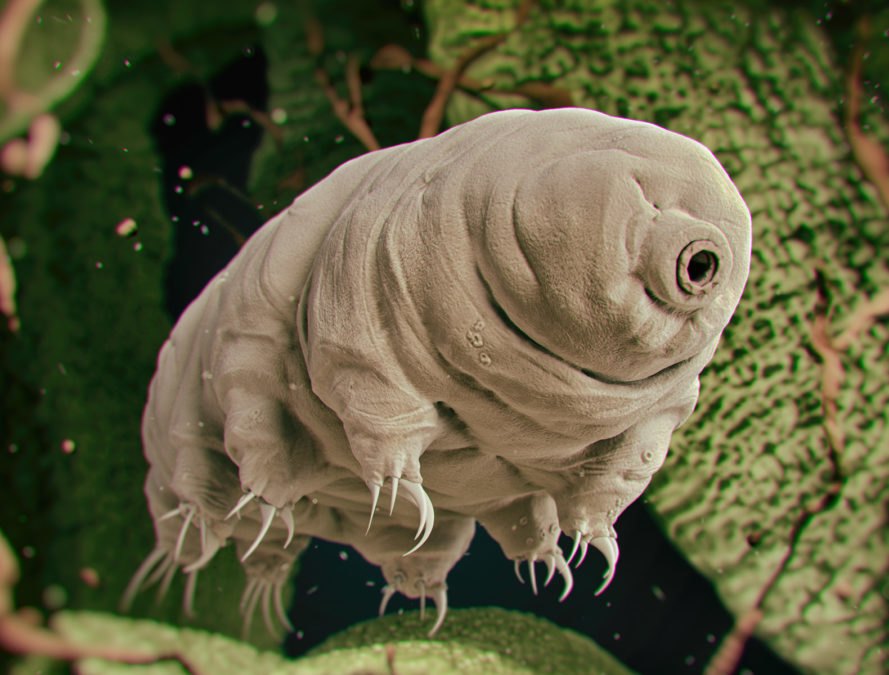
Tardigrades are dubbed the “toughest” creatures known. They can survive for thousands of years or even indefinitely by entering a “frozen” state, in which their metabolic processes are halted, helping these tiny creatures preserve life. They are found all over the Earth, from peaks 5.5km high in the Himalayas to hot springs in Japan, from the deep ocean floor to the icy ends of the Earth like Antarctica. Tardigrades remain alive after being boiled in hot water or immersed in liquid nitrogen, they resist radiation, survive in a vacuum, and revive after being dehydrated for hundreds of years.
Source: Rd.com translated by gearvn