


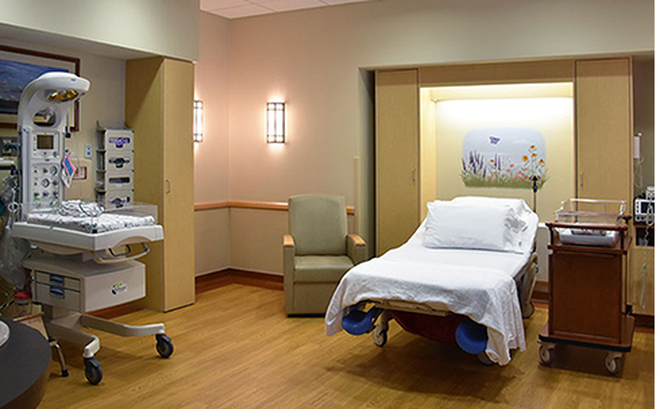
Social media Lotus.vn has recently featured a heartfelt article discussing the donation of negative pressure rooms for the treatment of Covid-19 patients by Associate Professor Dr. Nguyen Huy Nga, former Director of the Department of Preventive Health – Ministry of Health. This is one of the very “hot” issues at this time. We would like to repost the article.
We invite readers to follow and ask questions to Associate Professor Dr. Nguyen Huy Nga here.
Should We Buy and Donate Negative Pressure Treatment Rooms?
Recently, the media reported that some individuals and organizations are sponsoring the purchase of negative pressure treatment rooms to donate to several hospitals. This could do more harm than good; if not careful, it may contribute to the spread of the virus into the surrounding environment. I would like to share my perspective on this issue in the article below.
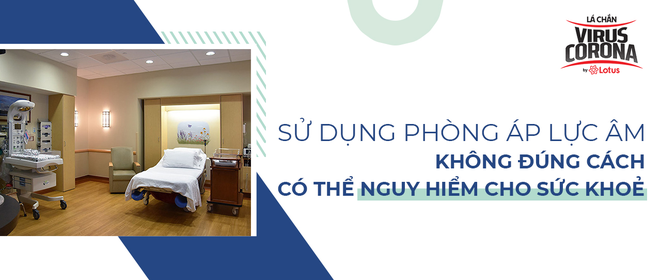
Negative pressure rooms are a form of isolation used in hospitals to prevent cross-contamination between patient rooms.
This method uses a ventilation system that creates negative pressure, allowing air to enter the room but not escape, as air moves from areas of high pressure to areas of low pressure. This prevents contaminated air from leaving the room.
This method is used to isolate patients with airborne infectious diseases such as tuberculosis, measles, or chickenpox.
When the air exits, it must pass through a processing system with filters to eliminate pathogens; viruses will be trapped on these filters until they die naturally or are killed when the HEPA filters are sanitized and replaced by hospital technicians.
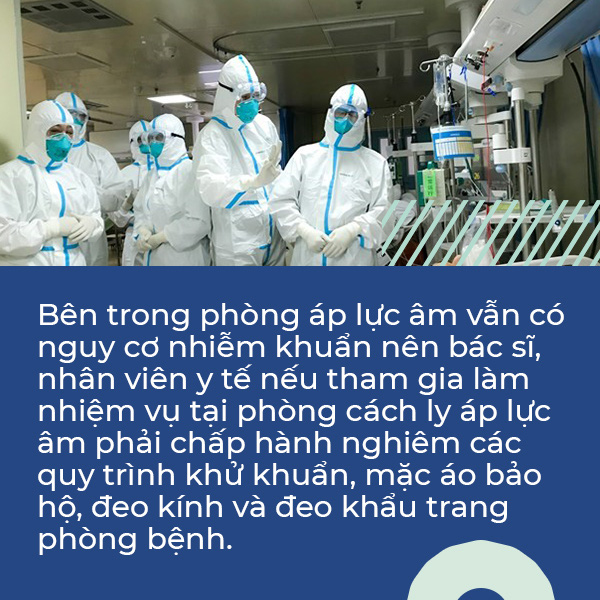
There is Still a Risk of Infection Inside Negative Pressure Rooms. Therefore, doctors and healthcare workers who participate in tasks in negative pressure isolation rooms must strictly adhere to disinfection protocols, wear protective clothing, goggles, and masks to prevent disease.
Negative pressure rooms have two buffer chambers; before entering the isolation room, healthcare workers must pass through the first buffer chamber. After treatment, healthcare workers exit the isolation room through the second buffer chamber. Here, medical supplies that have come into contact with patients will be removed and disposed of, ensuring that the infection cannot escape into the environment.
Negative pressure isolation rooms are fully equipped with emergency tools and equipment. Patients are isolated and monitored via camera, allowing hospital staff to easily communicate with patients through the camera system.
However, our hospitals are currently not designed to accommodate these negative pressure rooms, which could have the opposite effect. If not operated carefully, it may contribute to the spread of the virus into the surrounding environment, infecting others.