


For those who may not know, Garena Free Fire was released for Android and iOS in December 2017 by Garena Studios and developed by 111dots Studio (Vietnam). The game is similar to other mobile Battle Royale titles like PUBG Mobile and Clash Royale, but it is designed to be compatible with lower-end smartphones. Each match includes only 50 players and typically lasts just 10 minutes, much faster than PUBG Mobile, which allows Garena Free Fire to reach a vast number of players worldwide.
Free Fire once reached a revenue milestone of $1 billion by the end of 2019, setting numerous records that many mobile games could only dream of. Yet now, Vietnamese gamers have a ‘cold’ perspective on the very name that once set many records. In fact, local players have harshly remarked that Free Fire is now nothing more than a ‘trash’ game. How did it come to this?
From its inception, Free Fire chose a completely different path from other survival shooting games of its time. While PUBG Mobile respected tense gameplay with long matches, akin to PUBG, Free Fire opted for a simplified gameplay style, averaging 10 minutes per match. This made Free Fire inherently more entertaining and less stressful.
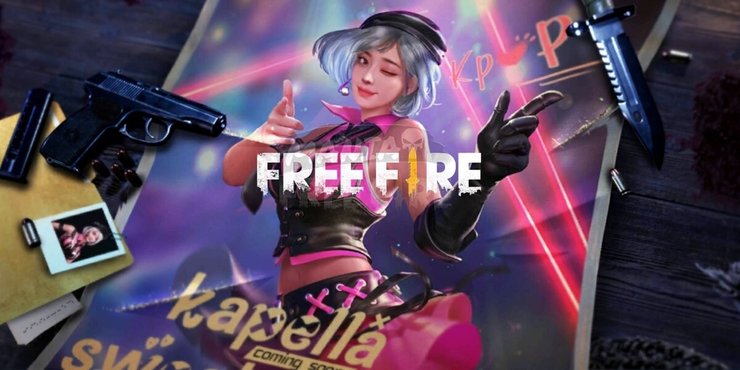
However, Free Fire also chose its own unique path. It utilized cosmetic enhancements like weapon skins and introduced a character system to boost player power. This means that from the beginning, Free Fire followed a “pay to win” model. To win, players have to spend money. Of course, gamers can still play for free, but they will be significantly disadvantaged compared to those willing to spend.
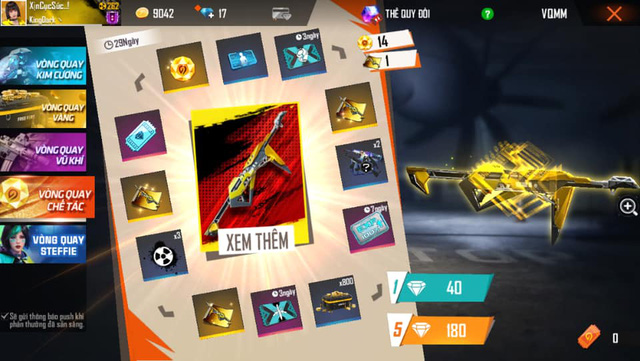
Subsequently, Free Fire continued to launch a series of events with formats that gamers deemed “money-grabbing.” The introduction of numerous new weapon skins, each providing some degree of upgrade to the weapons, followed. Next came the character system, a distinctive feature of Free Fire, where each character possesses different abilities in combat, and newly released characters often have greater power than their predecessors, leading players to feel “duped.”
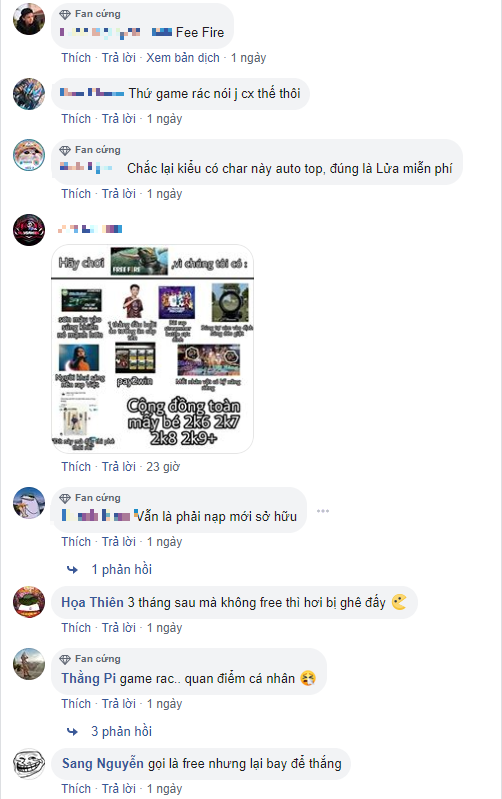
As time went on, Free Fire increasingly leaned toward the pay-to-win model with many features that players considered “money-grabbing.” The more events there were, the more Free Fire seemed to depict scenarios that drained players’ resources. This was also the point when this game strayed further from the definition of “battle royale” compared to other products, which maximally respect player skills, rather than relying on flashy elements that enhance player power.
Free Fire’s events are always launched with a rapid frequency, leaving gamers “no time to breathe.” Players cannot wait for the next event to “spend once” and be done. This is because the subsequent event may offer even more benefits. Thus, the cycle of pay-to-win and “money-grabbing” continues, day in and day out.
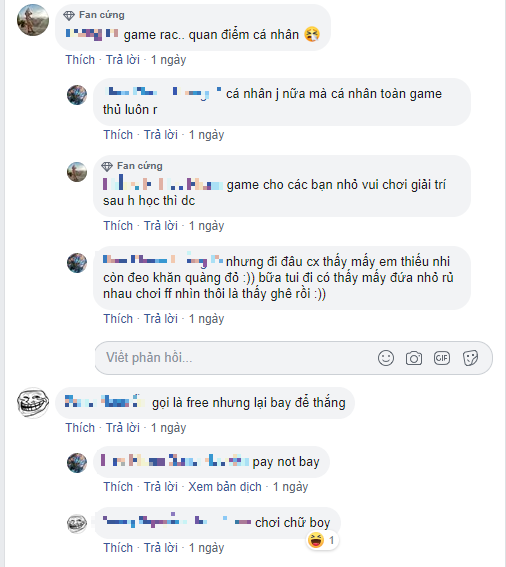
The above are just a few reasons why Free Fire is increasingly receiving disdain from its own local gamers. Although it remains one of the most popular games today, with the presence of numerous blockbuster titles in 2020, Free Fire will need to undergo a significant transformation if it does not want to fall behind, with the upcoming OB21 update marking the beginning of this game’s “revolution.”