

In recent days, astonishing images of India have spread across the internet: harsh measures like beating to force people to stay indoors, endless lines of people returning home amidst the closure of all transportation services (buses, trains, domestic flights). These are the consequences of efforts to contain the spread of Covid-19 in the South Asian country, which began at the time the “residential curfew” was declared on March 22.
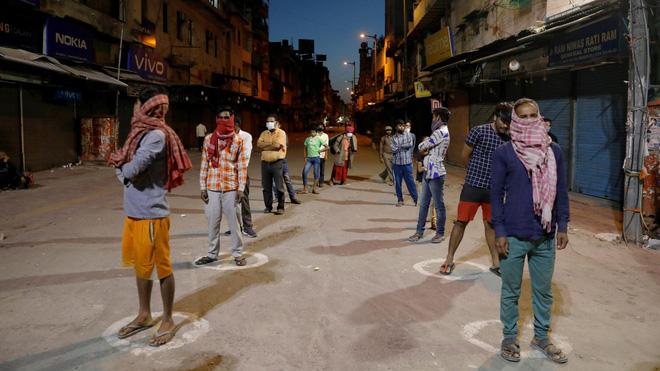
Only essential services are operating, with all advertising, industrial, religious, and cultural activities halted. The government encourages people to stay indoors. Many workers have lost their jobs, lacking money to buy food or pay rent, and have had to walk back to their hometowns. A chaotic scene is unfolding on a large scale.
This is one of the strictest curfews in the world, affecting many strata of society. India does not want to risk relying on the awareness of its citizens, thus taking decisive action against the pandemic. As of the time this article is published, the number of infections in India is 1,590, with 148 recoveries and 45 deaths.
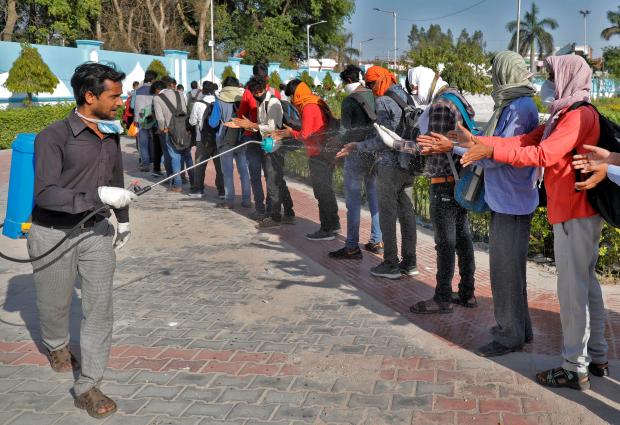
How does India’s approach compare to the origin of the outbreak?
The idea of closing cities originated in China, the first country to be affected by Covid-19. Starting from the last week of January, China closed Wuhan – the global epicenter of the outbreak – and gradually shut down many parts of the country. The World Health Organization described China’s efforts to contain the outbreak as “the most ambitious, agile, and aggressive in history“.
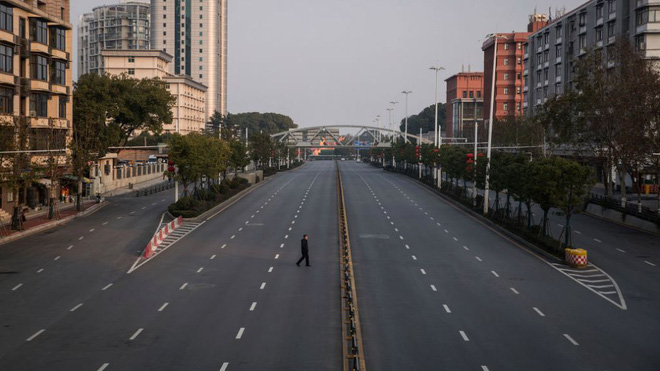
However, the scale of quarantine in China pales in comparison to what India is doing. According to The New York Times, China is conducting “the largest social management campaign in history” by attempting to quarantine 760 million people, more than half of its population. Meanwhile, India aims for a higher target, enforcing a three-week lockdown for 1.3 billion people, nearly double the number of people confined at home in China during its tense quarantine months.
The lockdown of major cities in India is harsher than in China, as the Indian government enforces a uniform policy across the entire country, while China has implemented various levels of lockdowns along different borders. The most noticeable difference is that public transportation in China continued to operate during the height of the Covid-19 outbreak, such as buses and ride-sharing taxis, and even train and flight services were only restricted in some provinces, not banned nationwide.
Controlling the outbreak in Italy
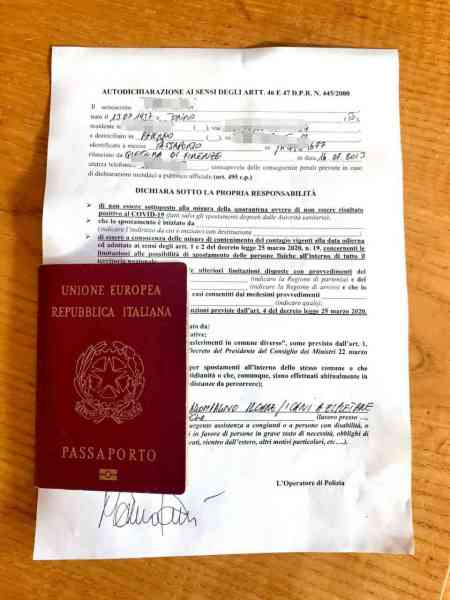
Another country with high Covid-19 cases is Italy. This European nation also followed China’s lead, closing many major cities, but not as strictly as India. The Italian government phased the city closures; it was not until September 3 that they declared a nationwide lockdown.
In Italy, public transport continues to operate, and citizens can go out if they have valid documentation. Italy did not implement stringent security measures like India, even though the “boot-shaped country” witnessed record-high cases of infection and death due to Covid-19.
The situation of disease control in other South Asian countries besides India
Some experts suggest that India acts this way because its healthcare system is not as robust as that of Italy and China; however, this observation is inaccurate when comparing India’s actions with its neighbor Bangladesh. The healthcare standards of the two countries are not vastly different, but the disease control situation in Bangladesh is not as strict as in India, with population density possibly being a key difference.
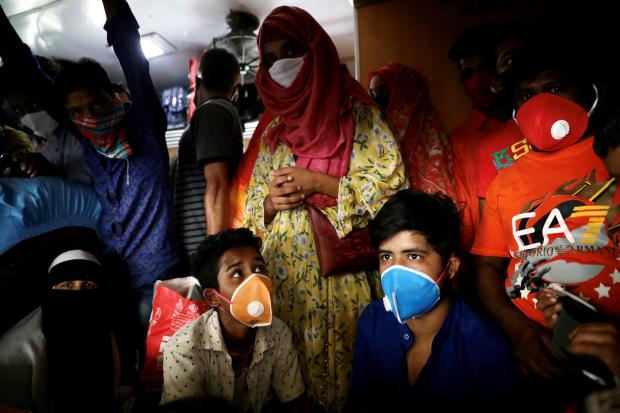
Another distinction in Bangladesh’s response is that the government designated a specific period for people to return home before officially closing major roads. The Bangladeshi government refrains from using strong terms like “city lockdown” or “quarantine” for fear of causing panic among the populace. They referred to it as a “holiday,” followed by the announcement of a curfew.
The Sri Lankan government, trying to avoid the chaotic migration seen in India, has opened special bus and train services to facilitate the return of citizens. They managed to do this partly due to the country’s not overly dense population.
The current situation in Vietnam
As of now, Hanoi and Ho Chi Minh City have the highest number of cases in Vietnam, with 89 and 49 cases respectively. Starting from midnight on April 1, 2020, the Prime Minister issued a directive for “social distancing,” encouraging citizens to stay at home, while essential factories must implement safety measures for their workers.
Mr. Mai Tien Dung – Minister, Head of the Government Office confirmed this is not a city lockdown, just a recommendation from the government. However, he added that “stricter measures will be implemented” if the situation worsens.
Public passenger transport has “essentially stopped” to limit movement from one area to another. Those entering Vietnam since March 8 who have not been quarantined are being monitored and will receive appropriate quarantine measures when necessary. The government has developed scenarios for the progression of the disease and emergency response plans in case of emergencies.

Hanoi has been setting up more rapid testing stations, striving to ensure quick and extensive testing without gathering large crowds to avoid cross-infection. In the near future, more testing stations will appear in densely populated areas.