


Since its release 11 years ago, Minecraft has become a global phenomenon, attracting a large number of children and teenagers. With over 100 million registered players, it is the third best-selling game in history, just behind Tetris and Wii Sports. In 2014, Microsoft acquired Minecraft and Mojang—the studio that created it—for $2.5 billion.
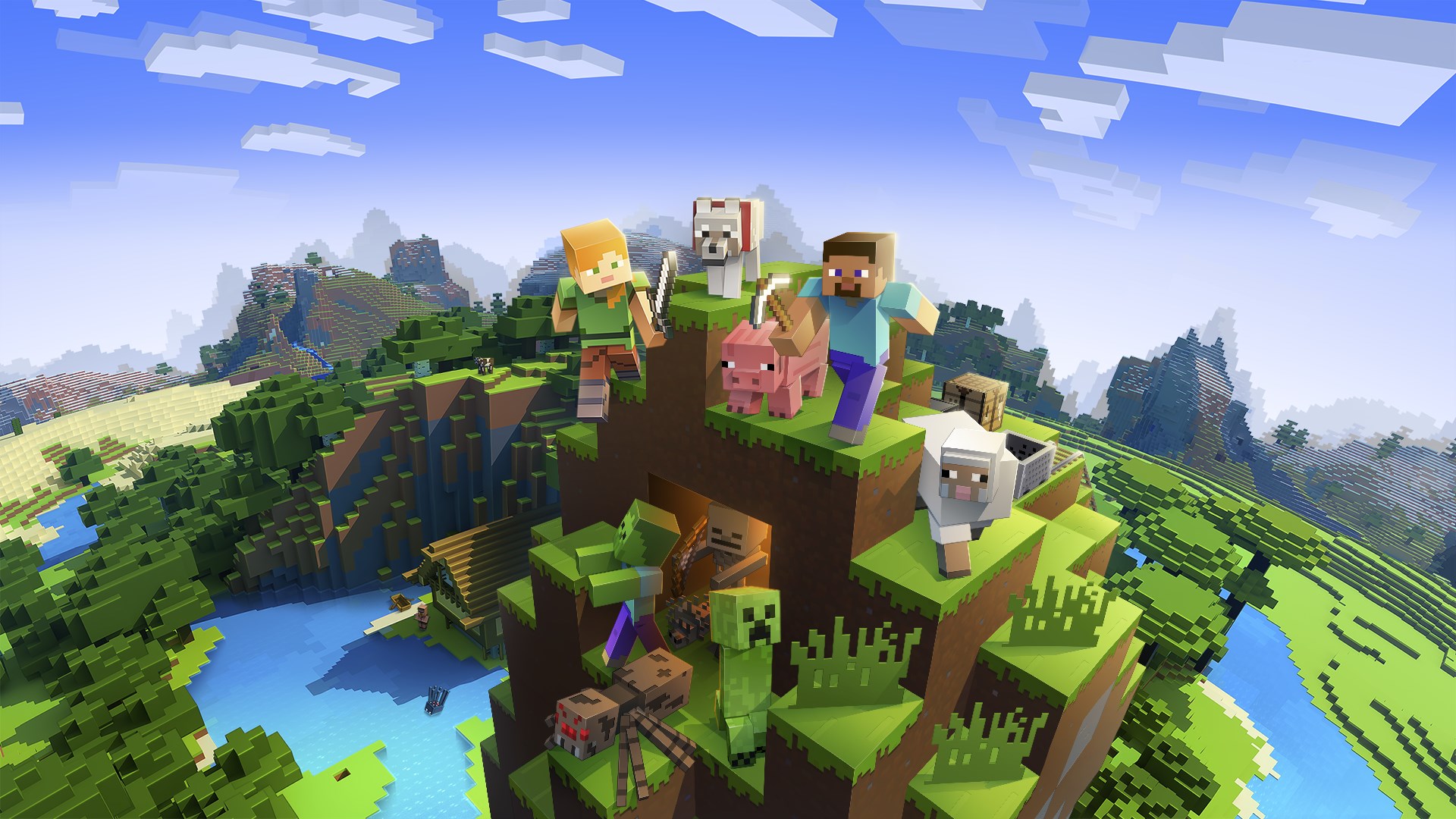
There have been many blockbuster games before it, but the gaming experience reveals that Minecraft is a unique phenomenon. Minecraft is not just an ordinary game; it is like a destination, a technical tool, a cultural landscape, or a combination of all three: A place where children create complex machines, record, and upload them to YouTube.
A world of experimentation and innovation, full of new discoveries. This stimulates children’s creativity and imagination. As a result, children are particularly drawn to how everything works. They can’t resist the allure of creations, gardens, homes, crafts, or sculptures in the game. Minecraft has become a perfect educational tool to inspire children about science, technology, engineering, and mathematics.
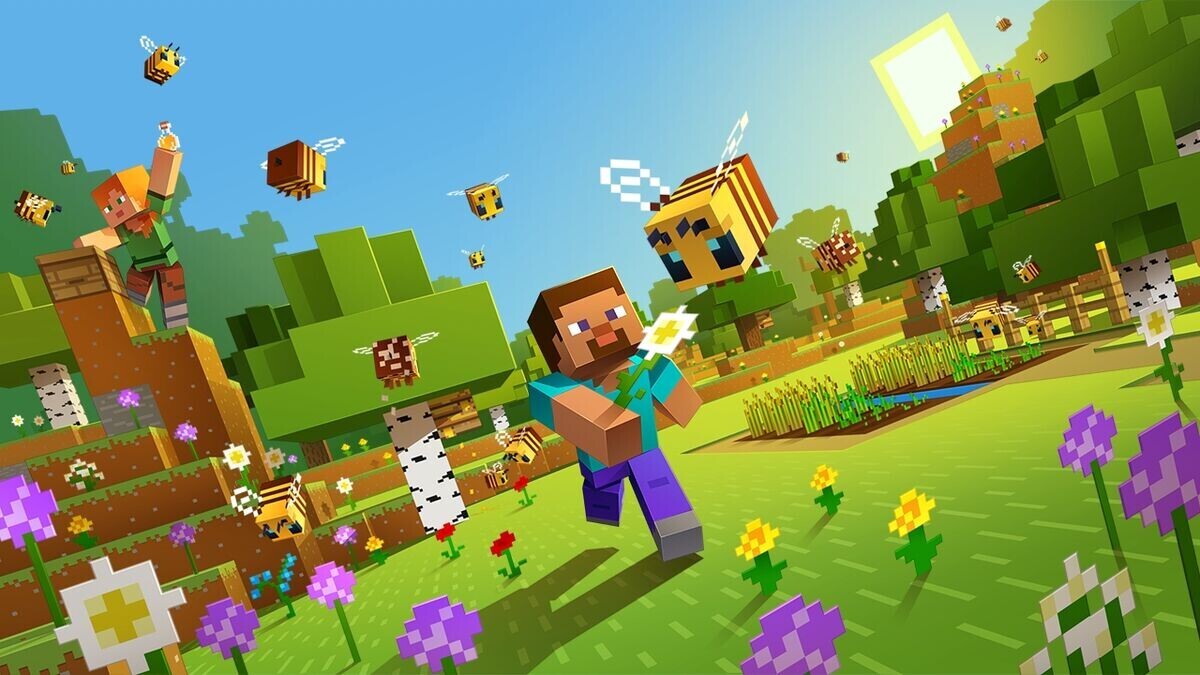
Almost every Minecraft player, as well as those who just watch others play, comments on its sense of freedom: You can build anything! Some have built the Taj Mahal, the USS Enterprise from Star Trek, and entire cities in “Game of Thrones.” These are the evident attractions of this game.
To utilize many mechanisms in the game, one needs what computer engineers call programming thinking, and this is one of the powerful effects of Minecraft. The game encourages teenagers to view logic and if-then statements as fun toys.
The explanation for this may be that Minecraft offers various gameplay modes that satisfy every player’s creativity and imagination.
Survival Mode:
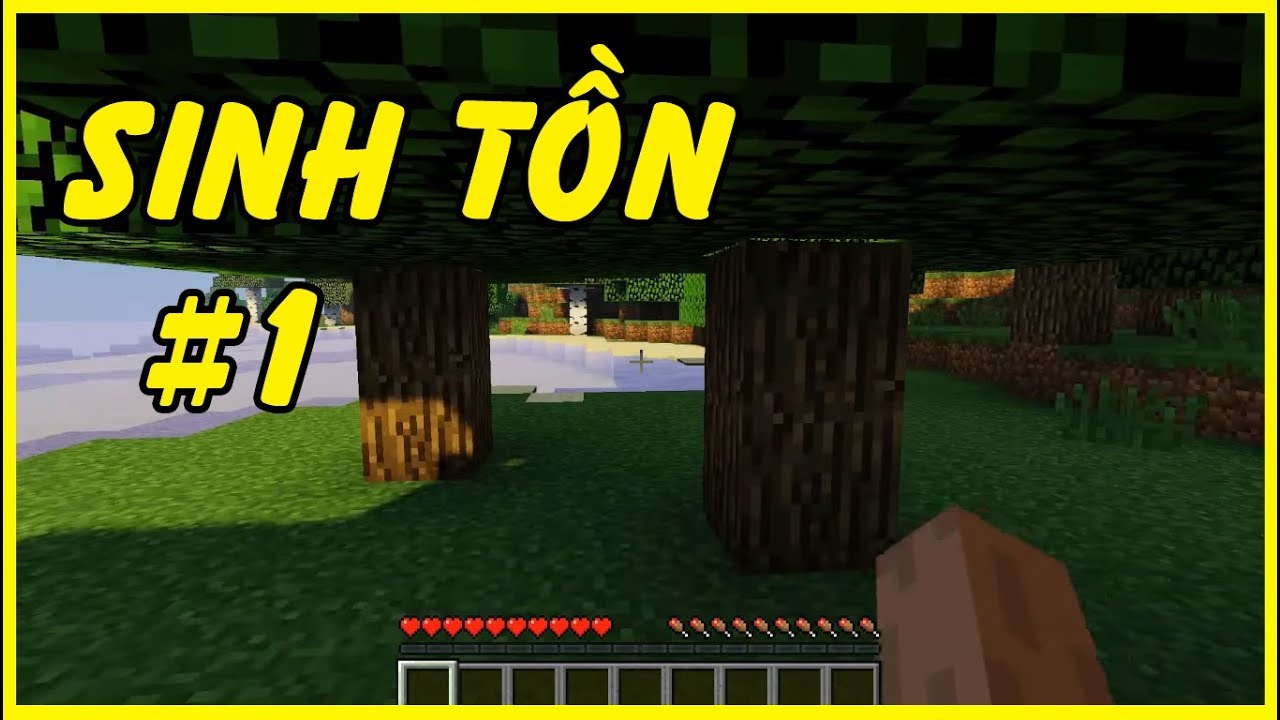
Survival Mode is often referred to as the “basic” gameplay mode. In this mode, players must create their own tools, gather resources, and “survive” by hunting, farming, and producing food, as well as crafting armor and weapons to protect themselves from nighttime animal attacks and zombies.
The weapons that players and monsters use are limited to swords or bows. There are no guns or potions in the game. When players are attacked by enemies, the screen quickly flashes red, and they are pushed away from the monster. If players die, they can easily respawn and continue playing.
Battles are also completely optional in the game. Players can run away without swinging swords or drawing bows.
Creative Mode:
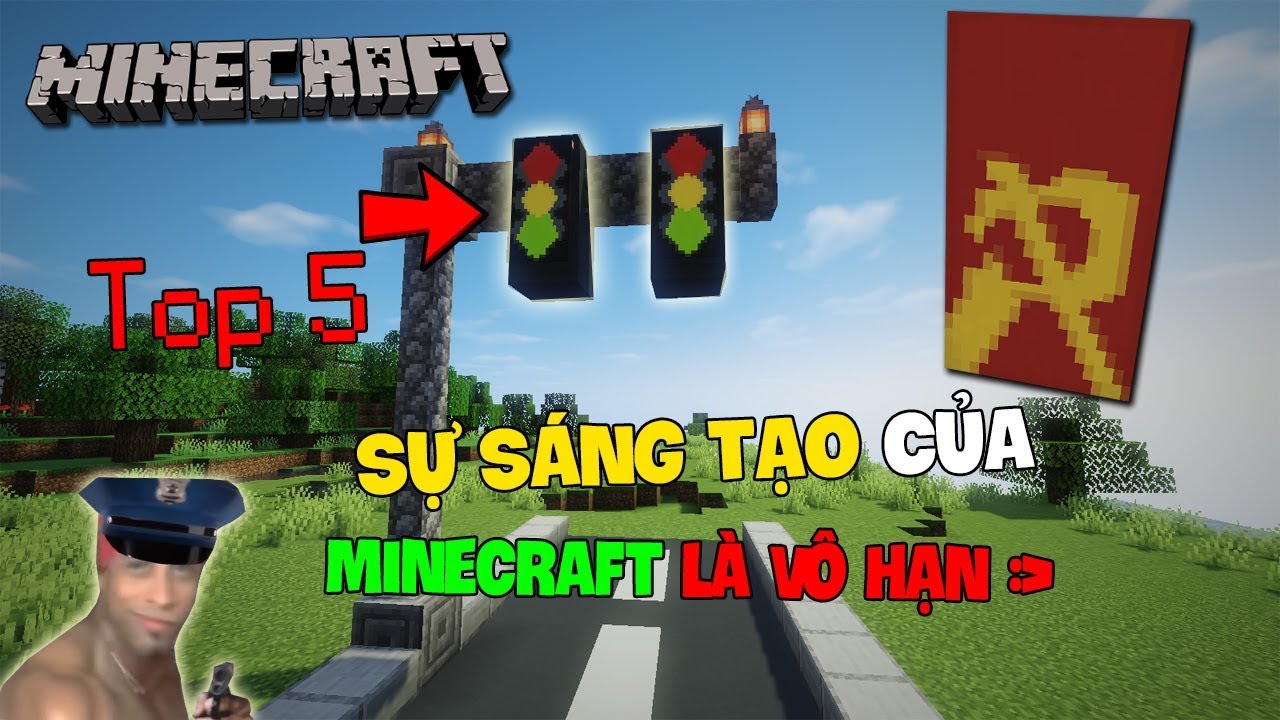
If Survival Mode sounds too violent or scary, you might consider Creative Mode. In this mode, players have unlimited abilities, with all resources available, so they don’t need to spend time and effort crafting them. This allows players to dive straight into the creative content of the game. And when playing in this mode, monsters will not attack players, removing the element of violence from Minecraft. This mode primarily supports you in creating and building your own structures.
Adventure Mode:
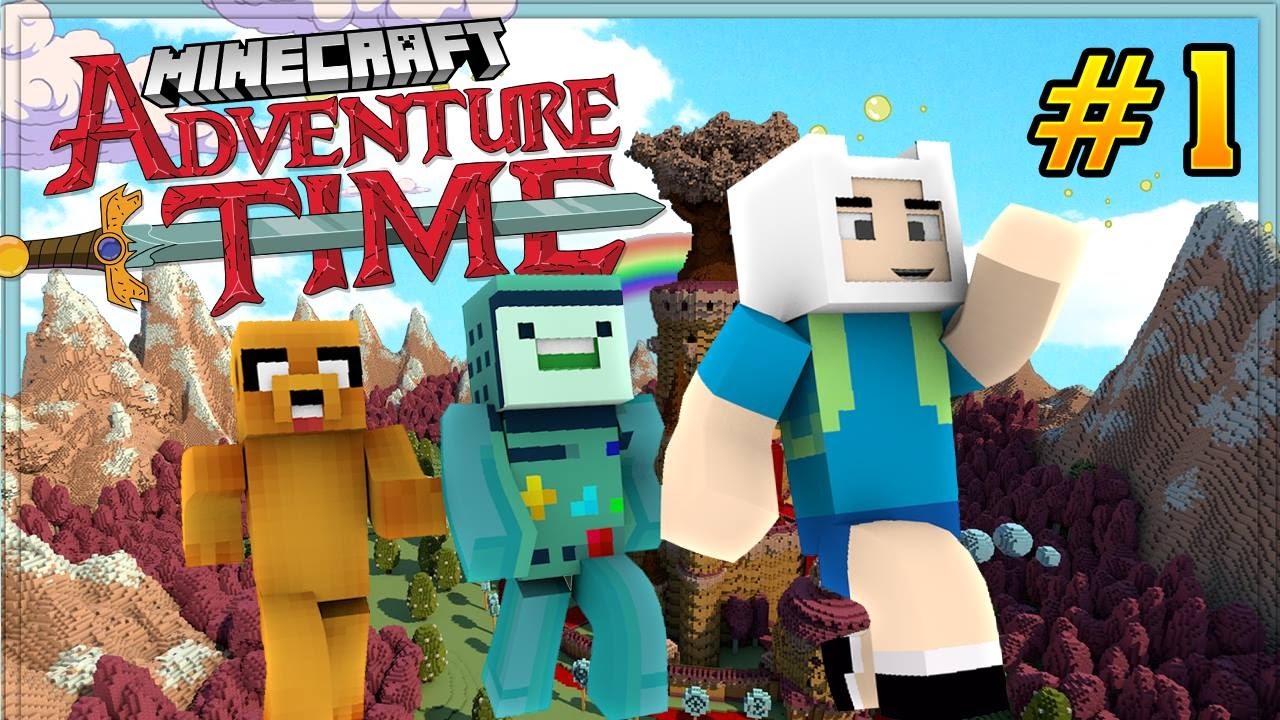
Adventure Mode is created for players to experience pre-built maps. The maps will be set up by someone with certain rules. The gameplay of adventurers will resemble Survival Mode; however, their ability to break blocks will be restricted to force them to adhere to the rules set by the map creator.
Hardcore Mode:
Hardcore Mode is essentially similar to Survival, but to enhance the real experience for players, you will only have one life. This means that if you die from any cause, the map will be immediately deleted, and what you played before will be permanently forgotten.
While Minecraft’s graphics may not be as stunning as some games today, the freedom to create in your own style, combined with many surprising and interesting situations, has created a significant appeal for this game!
When playing Minecraft, you will immerse yourself in a vast, expansive world, building completely randomly with various terrains, unleashing creativity, and you can play Minecraft in both online and offline modes.