


Because sometimes we search for quite “sensitive” or odd information, we don’t want others to know. However, does clearing your browser history really erase all the “evidence”? Let’s explore this topic together in this article.
Since the late 90s, the Internet has become an indispensable part of people’s lives worldwide. Currently, there are over 4.5 billion Internet users, accounting for nearly 60% of the world’s population. Compared to previous generations, we have easier access to the Internet, which has also led to more issues. One of those issues is the collection of personal data and privacy rights.

Due to the large number of Internet users, collecting user information has become a massive business. Search engines like Google, Yahoo!, and social media platforms like Facebook hold vast amounts of information and data about users’ lives, daily habits, and even their web browsing history for advertising and marketing purposes. Almost all personal information that has appeared on the Internet will never disappear.
The reason web browsing data doesn’t vanish is that you have clicked “I accept and agree to the terms and conditions” each time software or websites ask for terms of use, even without reading any of it. Most of the time, there are clauses regarding the sharing of personal information; once you agree, companies have the right to retain your data. Therefore, even if you have clicked to delete your web browsing history on your computer, that data still exists somewhere on the Internet. In fact, even if you know someone who is storing browsing history, you cannot request them to delete it for you.
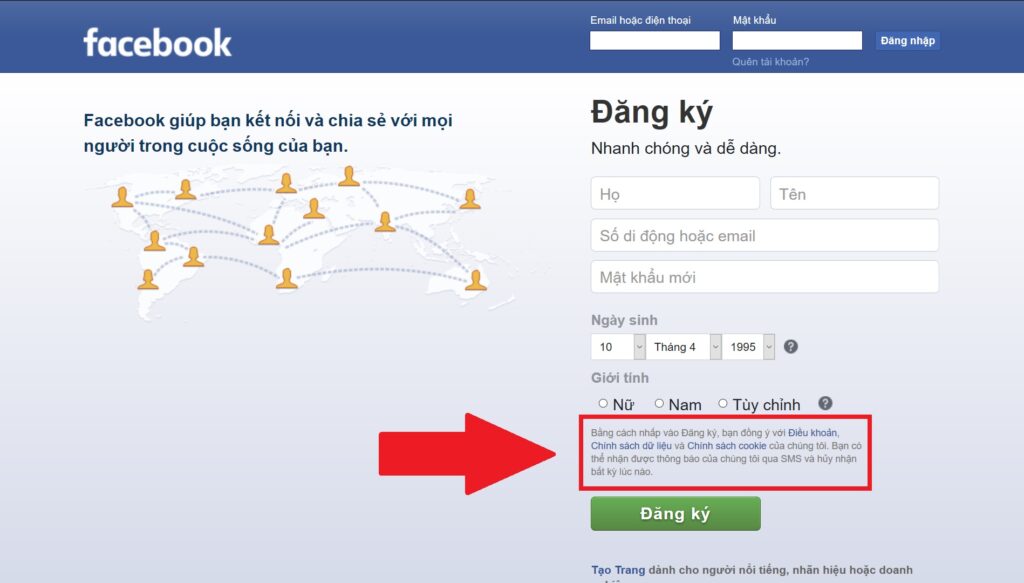
For example, you have the right to request Facebook to permanently delete your account, but Google can keep your information indefinitely and use it in the “most reasonable” way. A video may be removed from YouTube, but the data will still remain on some server. Apps on Android smartphones that request access to the microphone may eavesdrop on phone calls and record them.
Currently, the exchange of user information is legal in the U.S., while European countries have quite strict regulations. In Vietnam, we have the Network Security Law to protect the rights of Internet users. However, if you have clicked the button to agree to share information, companies can still retain and use your browsing history.

In conclusion, when you clear your web browsing history, the information will still be stored somewhere on the Internet, and we cannot completely erase traces of visiting that website. Only when you stop using the Internet will there be no information about your browsing history.
Source: How Stuff Works, translated by Gearvn