


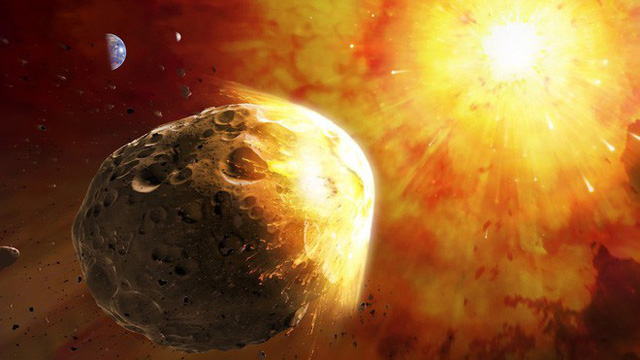
The U.S. National Aeronautics and Space Administration (NASA) has identified an asteroid made of gold worth $700 quintillion. The large amounts of gold, iron, and nickel contained in this asteroid are astonishing the scientific community.
If anything could spark a race to mine metals in space, it would be this asteroid – Psyche 16, located between Mars and Jupiter and carrying enough gold to “gift” every person on Earth a trillion dollars. Now, the challenge is to reach it.
Of course, it all depends on two important factors: economic feasibility and advancements in space technology in the future.
There are other global powers also wanting to access that asteroid. China claims it will be the first to start this race, and this will be an easier race for this country, which controls most of the major natural resources and maintains close ties with technology developers.
It cannot be said that the United States lacks ambition here. The differences, surely, are clear. While NASA focuses on scientific missions and space exploration, China is focused on an economy based on resource extraction from space, aiming to create long-lasting wealth.
Whoever gets there first will become the “golden god,” and the competition is heating up.
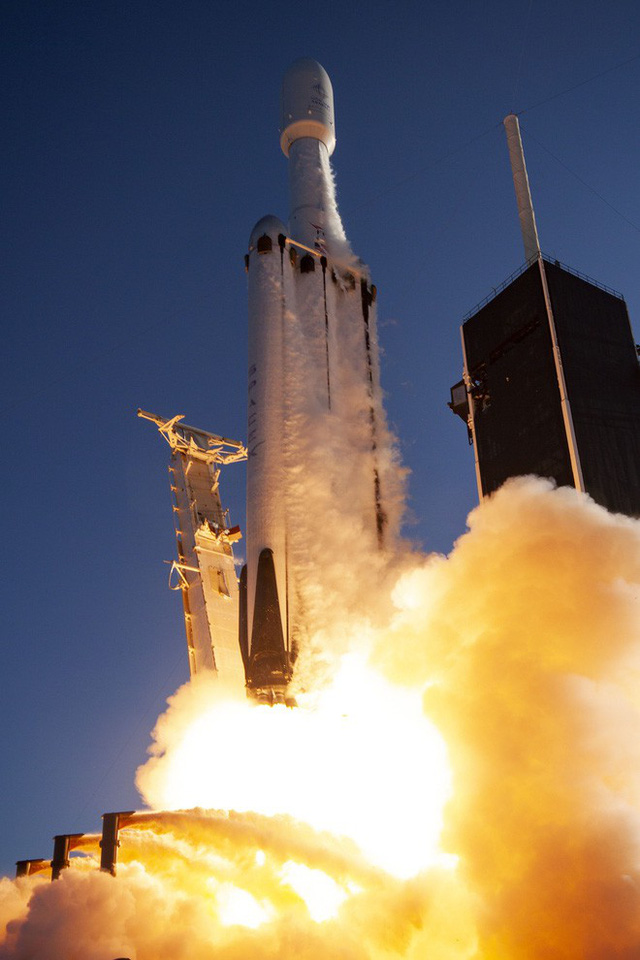
According to Mitch Hunter-Scullion, founder of the U.K.-based Asteroid Mining Company, this will be a new boom in the mining industry.
“When you have the infrastructure, the number of opportunities you can seize will be nearly endless,” Hunter-Scullion said. “A vast amount of assets is waiting for someone brave enough to face the new challenges, which will emerge in the meteorite rush.”
Psyche-16 could very well be the new Holy Grail, the target to reach for the current space travel industry. However, not only Psyche-16 is noteworthy; other mineral-rich asteroids are also in sight. The asteroid belt in our Solar System has other promising candidates, such as an asteroid 200 meters long valued at $30 billion based on the amount of platinum it contains.
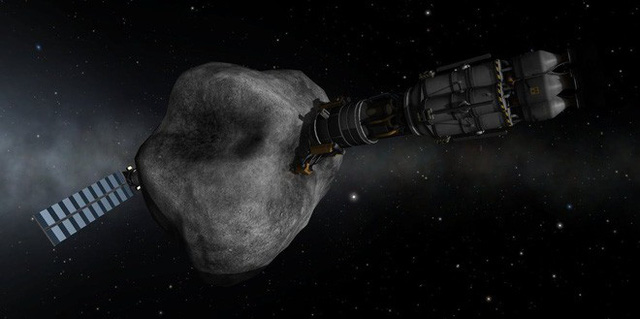
Who will be the first to “catch” the floating cash? Countries are speeding up this process, but the reality still waits for advancements in humanity’s space science.
Source: Reuters, VTVcab