


It can be said that this year is the most lackluster launch year for both Android (version 11) and iOS (14). While Google canceled the entire Build event due to Covid-19 and only unveiled Android in a “no fanfare” manner, Apple chose to organize the WWDC event online in a 2-hour long video. Not only did it lack the excited audience of previous years, but iOS 14 also seemed completely dull in front of the ARM-based Macs, which was perhaps the biggest “shock” at this year’s online WWDC.
However, saying that does not mean that Android and iOS have become less important. On the contrary, these are still the two operating systems that dominate the hardware market today – smartphones. And, looking at what Apple just announced on iOS 14, you can easily recognize the clear strengths and weaknesses of the two giants in the mobile market.
Apple Lags Behind in Creativity
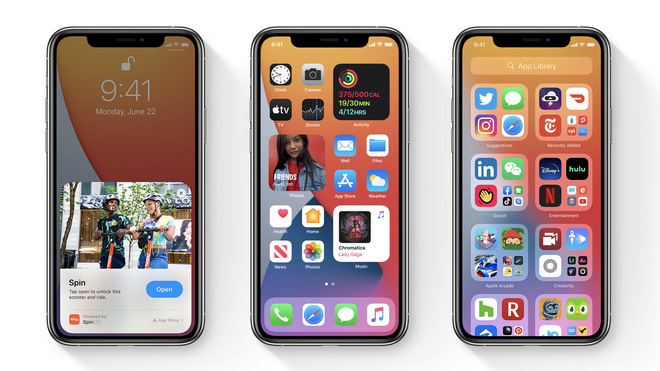
Never before has an iOS version featured so many functionalities pioneered by… Google.
Even the most die-hard iFans can hardly deny that Apple has copied quite a few features from Android onto iOS 14. The most obvious example is that the Home screen of iOS now supports widgets (small graphic “tiles” used to display information). This feature has been unveiled by Google since… 2009, which is over a decade ago.
Next, Apple has added a new feature called “App Library”. Inside this screen, Apple will group all applications installed by the user. Although Apple’s approach is slightly different from Android, any fan of the green robot can recognize that this is simply an improved version of the app drawer from Android.
Obviously, Apple is still a creative force. Google has also copied Apple on several occasions, most notably the blatant copying of all gesture controls from the iPhone X to Android 10. However, the arrival of iOS 14 can still make iFans genuinely worry about Apple’s software creativity: no version has brought so many “learned” features from Android. Besides widgets and the App Library, we can also mention Wind Down (a mode that helps users relax), App Clips (mini-apps activated with a single swipe), emoji search via keyboard, Picture-in-Picture (enabling a small video player on the screen)…
Google Lags Behind in Completeness and Update Timeliness
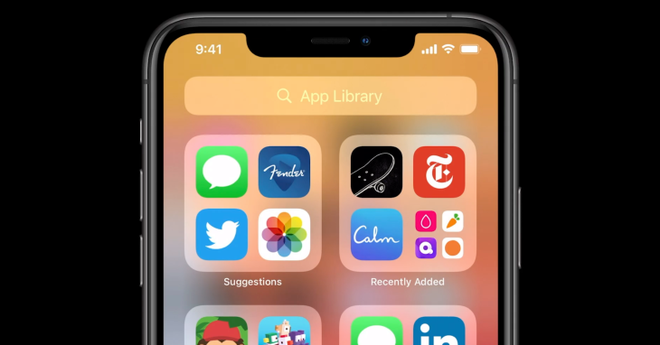
Apple is not merely copying, but copying AND improving Google’s ideas.
On the other hand, while “copying”, Apple’s methods can be considered copying AND improving. For example, the App Library in iOS does not just list apps like Android but also groups these apps by functionality (social media, games…) and by installation time or suggestions. App Clips on iOS are deeply integrated with many applications within the iOS ecosystem like iMessage, Apple Pay, and Apple Maps. Additionally, PiP on iOS allows users to change the display size, something that Google has not been able to achieve on Android so far.
Thanks to that, when considering overall, iOS is still regarded as a more “user-friendly” operating system. Most importantly, iOS continues to outperform Android in terms of updates: even the iPhone 6s and the 4-inch iPhone SE are still updated to iOS 14. With iPadOS, even the iPad Air 2 released 6 years ago can still upgrade its operating system.
This number is completely unimaginable for Android manufacturers. The update life cycle for premium Android devices usually only lasts about 2 years. To make a comparison, the best-selling Android model in the same year as the iPhone 6s, the Galaxy Note 5, was only updated to Android 7.0 Nougat in Q2 2017. Even Google, the owner of Android and also the most diligent in updating, discontinued updates for the Pixel 1 (2016) last year.
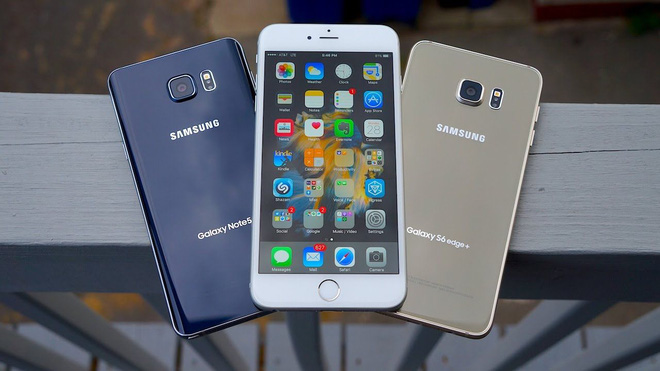
This competitive mindset will likely continue in the future. As an operating system from the giant in the software/internet services field, Google will certainly maintain a significant gap with Apple in terms of creativity: the number of features Apple “copies” from Google is likely to increase in the future. However, as the leader in the premium segment, Apple will still provide a more polished and complete experience, favoring longer update cycles for users. The two mobile giants, each excelling or lacking in their own way, promise a fierce battle in the future.