


Similar to DDR4 and previous generations, DDR5 is designed to elevate capacity and clock speeds to a new level. DDR5 RAM will also have the same number of pins as DDR4, specifically 288 pins. However, the layout of those pins will differ. This means you will not be able to insert a DDR5 module into a DDR4 slot; it must be plugged into a DDR5 slot.
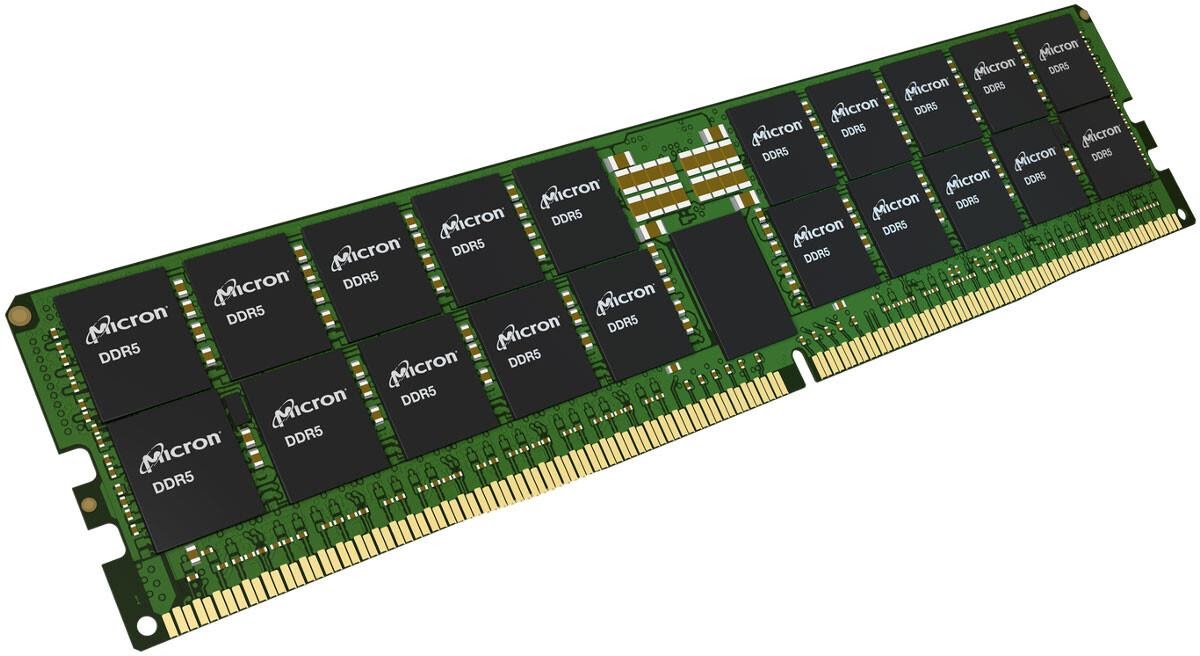
DDR4 has a structure of 16 banks with 4 groups of banks. In contrast, DDR5 will have 32 banks distributed across 8 groups of banks. The burst length of DDR5 is also doubled, from 8 to 16. DDR5 is further equipped with the Same Bank Refresh function (SBRF), allowing the PC to use the remaining banks while one bank is in operation.
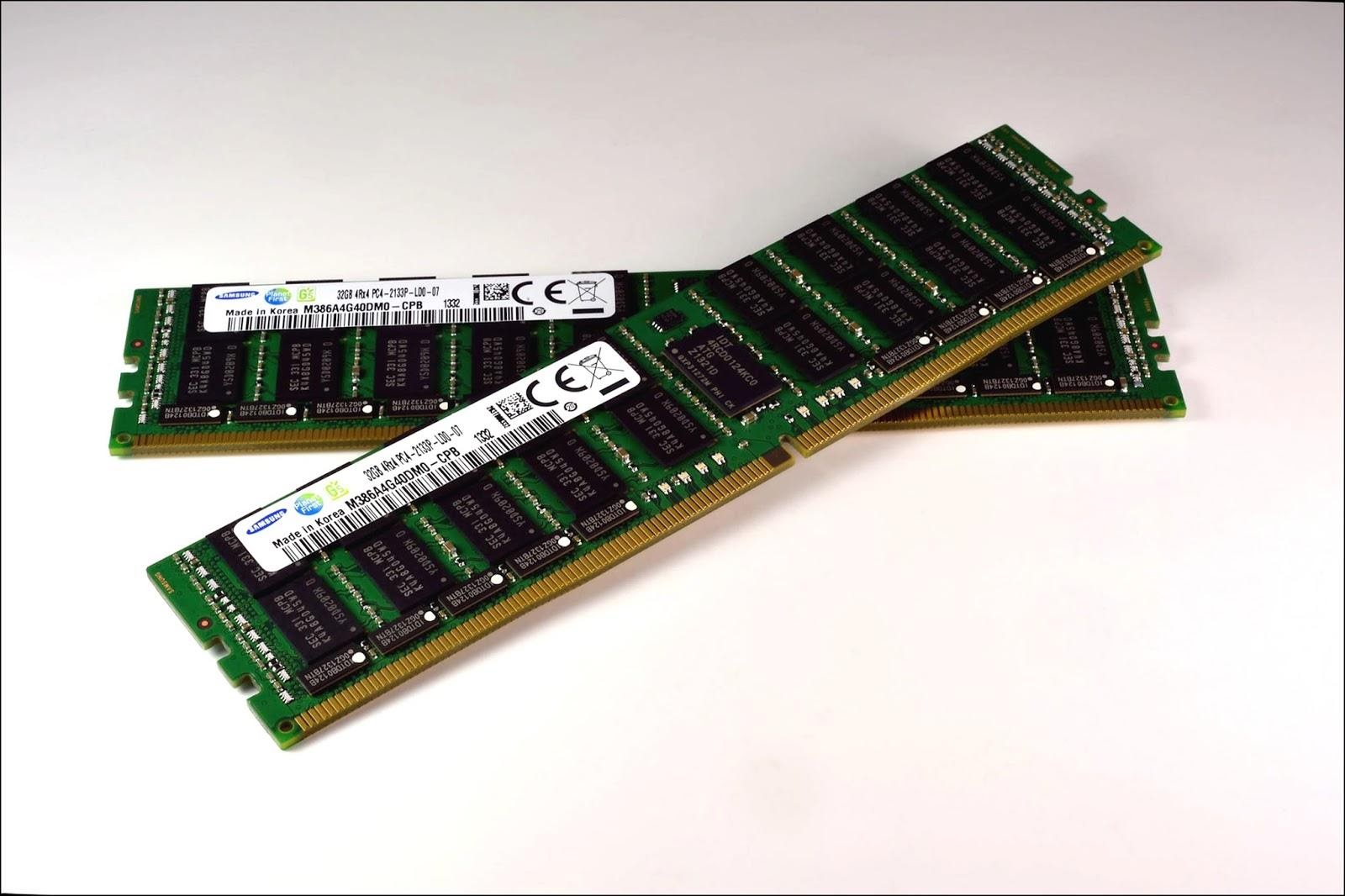
Each DDR5 module supports a capacity up to four times that of DDR4. DDR4 modules use 16 Gbit chips and reach a maximum capacity of 32 GB. DDR5, on the other hand, will utilize 64 Gbit chips, pushing the maximum capacity of a RAM stick from 32 GB to an astonishing 128 GB. Additionally, in the enterprise sector, DDR5 also features certain improvements such as die stacking, allowing RAM manufacturers to stack 16 dies on a single chip. As a result, a Load-Reduced DIMM (LRDIMM) can achieve a capacity of up to 4 TB.
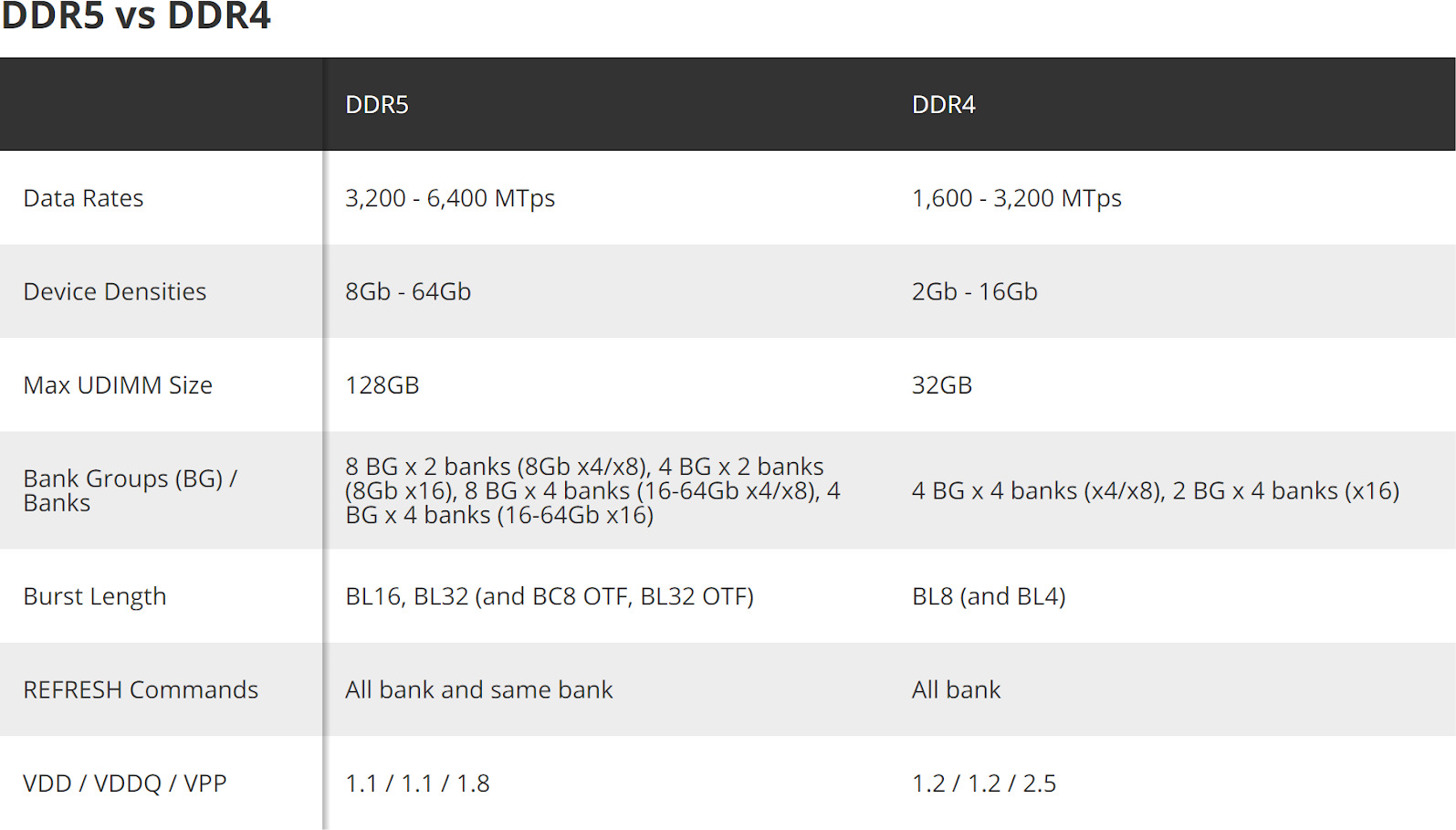
In addition to increasing capacity fourfold, DDR5 also boasts higher memory bandwidth than DDR4. For comparison, the official data rate of DDR4 ranges from 1600 MTps to 3200 MTps, whereas DDR5 will range from 3200 MTps to 6400 MTps, effectively doubling the performance of DDR4. The JEDEC specifications can serve as a reference, but renowned RAM manufacturers are always looking for ways to enhance the performance of their DDR4 RAM. Currently, you can find DDR4 RAM kits with data transfer rates up to 5000 MTps, so it is highly likely that DDR5 RAM kits will also exceed the 6400 MTps mark. Therefore, SK Hynix’s ambition to create a DDR5-8400 module could very well become a reality.
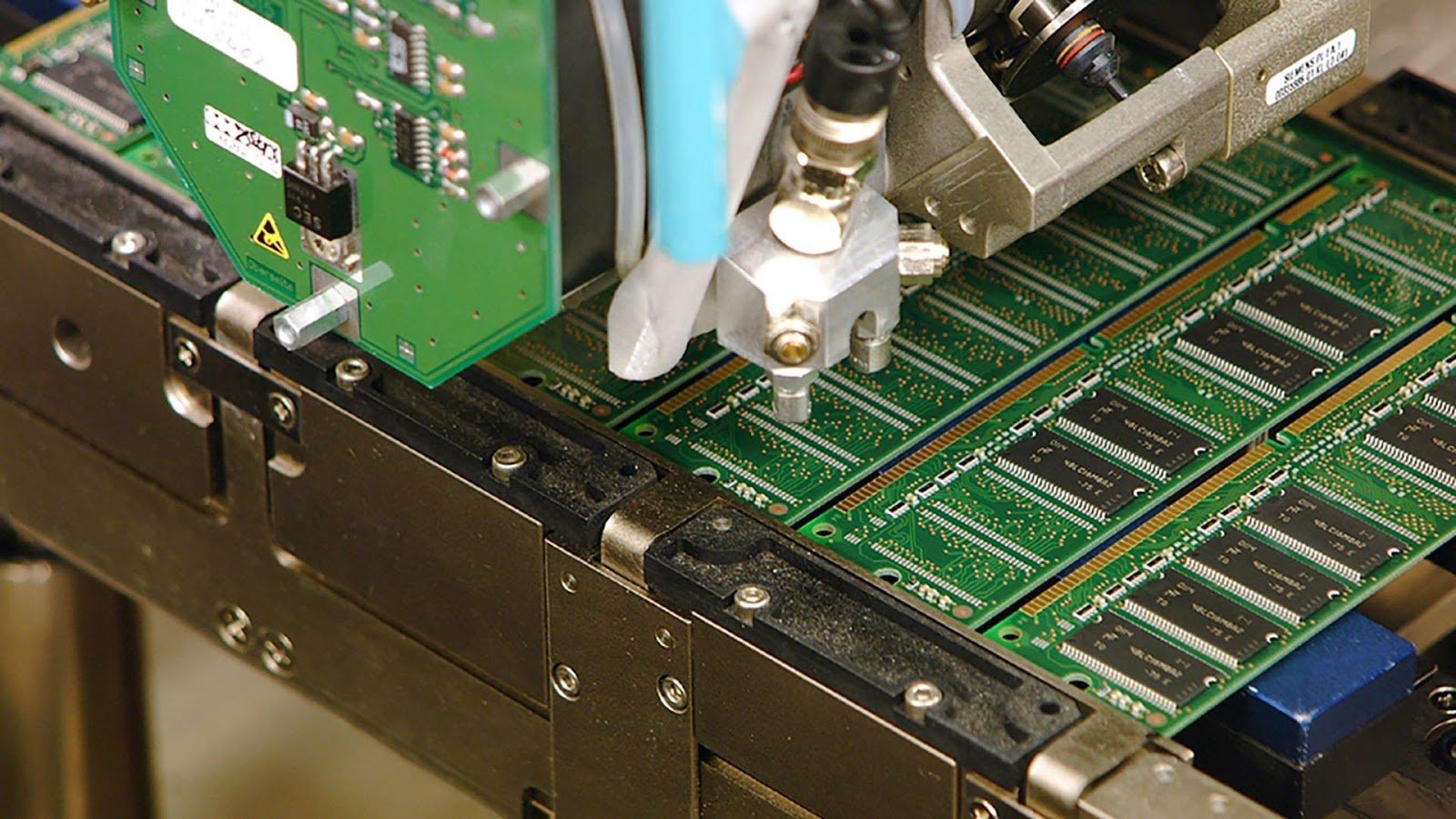
Staying true to previous traditions, DDR5 is also optimized for voltage levels, making it more energy-efficient. Specifically, DDR5 modules will operate at a voltage of 1.1V, slightly lower than the 1.2V of DDR4. Additionally, DDR5 will have built-in voltage regulators directly on the RAM stick, alleviating some tasks from the motherboard, though it is likely that DDR5 RAM will come at a higher price.
It is expected that the transition to DDR5 RAM will begin in 2021. Server platforms may be the first systems equipped with DDR5, followed by general consumers. On Intel’s side, the Sapphire Rapids CPUs will support DDR5, while AMD’s 4th generation EPYC CPUs (codenamed Genoa) will also support DDR5.
Source: Tom’s HARDWARE