


It must be acknowledged that cheating and asking for answers have become common occurrences during tests for students of all ages. No matter how intelligent or diligent one is, everyone has had their moments of weakness, and asking friends for help is a natural response. Although teachers have made great efforts to mitigate this issue by distributing different versions of exams with varying questions, it only solves part of the problem. However, recently, with the advancement of 4.0 technology, it seems that there is now a solution to this dilemma.

Specifically, in recent days, the online community has been buzzing with excitement over a set of exam papers featuring codes that have left many astonished and impressed. Instead of distributing codes sequentially as usual, the exam papers have now integrated 4.0 technology with QR codes—an innovation that leaves students wishing to scan the codes for “partners” feeling utterly defeated. Simply put, if one wants to look up the content behind this code, a smartphone is absolutely necessary, and of course, pulling out a mobile phone during an exam is like committing “suicide”.
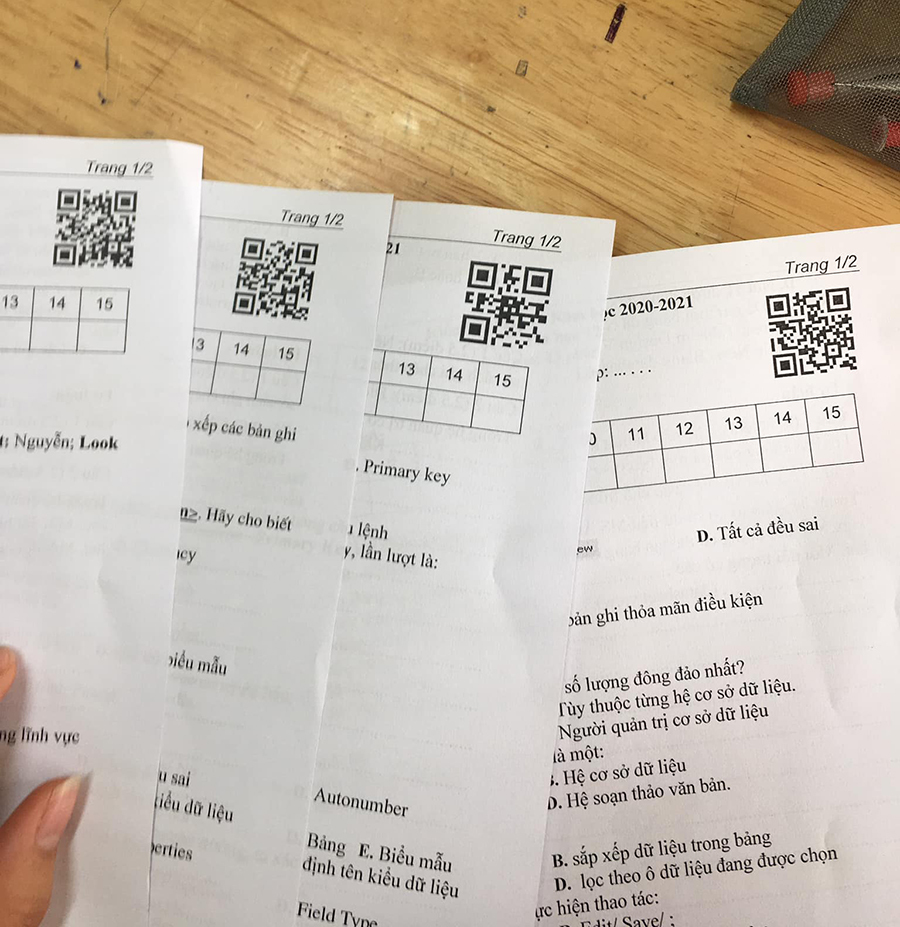
It is known that this is a very unique computer science test, and as soon as it was published, it garnered significant attention from the online community, especially among students. Most expressed surprise, as well as a sense of relief that such advanced 4.0 technology has not yet been implemented in their schools. Some comments even reflect a sense of “helplessness,” admitting that even if their family had three generations of cheaters, they would still have to surrender to this extremely advanced update.
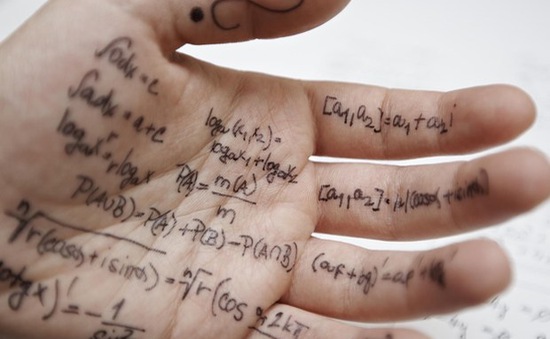
However, there are also many opinions suggesting that the QR code format can only partially prevent students from asking each other for answers during the exam; if they resort to “traditional” tools like cheat sheets or writing on their desks, it will still be difficult to be affected. Nevertheless, incorporating QR codes into exam papers is certainly a significant improvement and encourages students to gradually focus on studying hard.