


Video game addiction is a hot topic at this year’s National People’s Congress in China, which concluded yesterday on March 11, as President Xi Jinping participated in related discussions and listed gaming addiction as a concern for mental health. This has sparked much speculation that Beijing will soon tighten regulations on gaming management even further.
Xi initially raised the issue at the Chinese People’s Political Consultative Conference (CPPCC), the other half of the so-called annual “Two Sessions” meeting. He discussed gaming addiction among Chinese youth with representatives from the country’s healthcare and education sectors, according to Xinhua News Agency.
Online gaming addiction, along with “other filthy and chaotic things online”, can have a negative impact on Chinese youth as they are not yet psychologically mature, Xi said in a comment published by Xinhua.
Xi’s remarks were echoed by lawmakers at the meeting, with many suggesting a range of measures aimed at limiting gaming among minors. Some proposals require online games to implement facial recognition, a measure that has already been introduced in some games by two giants in the country’s gaming industry, Tencent and NetEase. Others suggested that a rating system should be established for games.
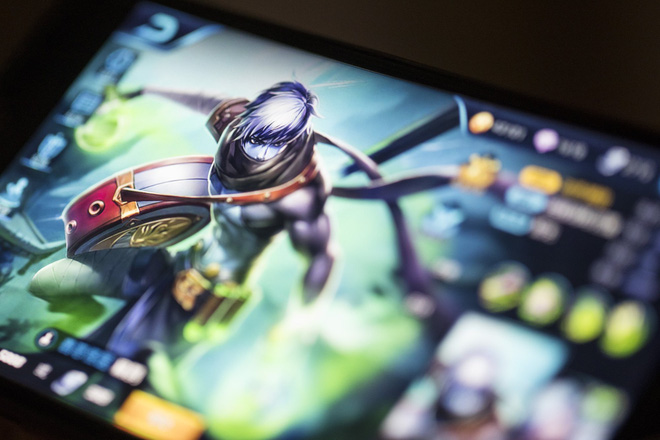
Tencent was an early adopter of facial recognition and real-name registration features as a way to limit gaming among minors, first implemented in the popular game Honor of Kings in 2018.
More progressive voices are calling for a ban on celebrities promoting online games, limiting the number of advertisements for games, and developing customized smartphones that do not allow gaming for minors.
According to Liao Xuhua, a gaming analyst at Analysys International based in Beijing, China’s commitment to preventing video game addiction is reflected in the newly amended Minor Protection Law, which is expected to take effect this June.
“In the near future, relevant departments will follow specific rules targeting gaming addiction,” Liao said. “Alongside applying rules to games, regulations will also be applied to many more entertainment sectors, especially on short video platforms.”
In 2019, China issued its strictest rules regarding video games. It included requiring players to register games using their real names and ID numbers. The government also mandated that games limit minors’ playtime to 90 minutes on most weekdays and 180 minutes on holidays. Regulations also impose a curfew on minors, who are not allowed to play video games from 10 PM to 8 AM.
The amount that minors can spend on a game is also limited. Players under 16 years old are not allowed to spend more than 200 yuan (31 USD) per month, while those aged 16 to 18 are limited to 400 yuan per month.
However, many young gamers have circumvented these restrictions by using adult accounts to register. Even gaming companies are actively assisting children in bypassing national regulations by launching their own circumvention tools.
A popular gaming tool in China is designed like a virtual private network (VPN) that only works for specific games. Adults often use this tool to access games not approved by the Chinese government or to speed up connections to overseas servers. Minors can also use them to play titles that do not apply China’s strict regulations.
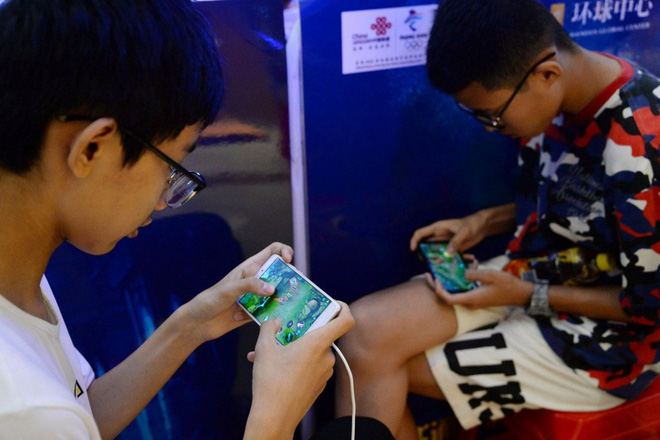
Nearly half of China’s population currently plays video games, and the country is the largest gaming market in the world by revenue. According to the government-backed China Audio-Video and Digital Publishing Association, the number of gamers in the country increased by 3.7% last year to 665 million, and domestic gaming revenue rose by 20.7% to 278.7 billion yuan (about 43 billion USD).
China has a complex history with video games. The government was once notorious for imposing a 15-year ban on console gaming starting in 2000, but a lack of strict enforcement measures allowed smuggled gaming consoles to become widely available in the market.
Recently, Chinese authorities have shifted to view video games and esports as a powerful driver of economic growth. At the same time, the government has also tightened control over game content, based on cleanup campaigns and enforcement of bans on games with unapproved and politically sensitive content.
To better enforce anti-gaming addiction features, the in-game facial recognition feature is said to be a “key component.” At the same time, the government may encourage gaming companies to test similar features to provide solutions for policymakers. At the national level, China is currently developing a unified online gaming identification system for gamers under 18, a project that could be completed as early as this June.
Source: SCMP